
Pharmaceutical and biomedical
Raw material for formulation, development and clinical research.
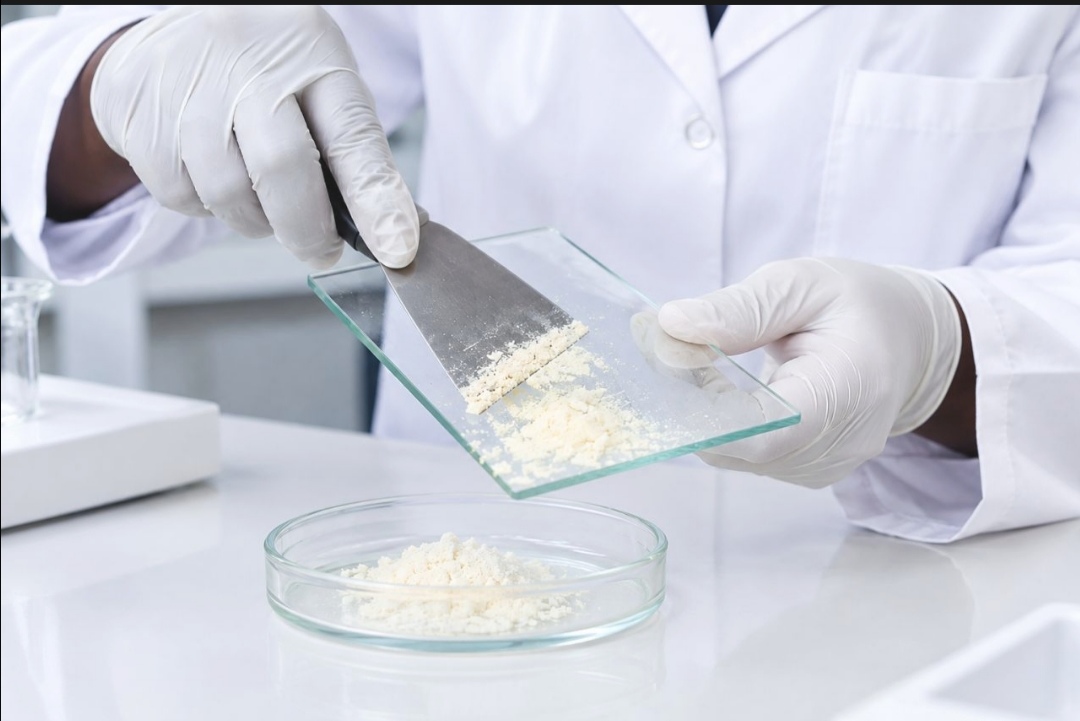
Horizon Bee Africa produces bee venom (apitoxin) in Kenya through a network of trained partner beekeepers and our own collection technology. Every batch is collected without harming the colony, handled to a standard method, and traceable to the apiary it came from.
Raw material for formulation, development and clinical research.
An active ingredient for serums, creams and professional skincare lines.
Documented batches for laboratory and academic studies.
Bulk volumes for regional and international distribution.
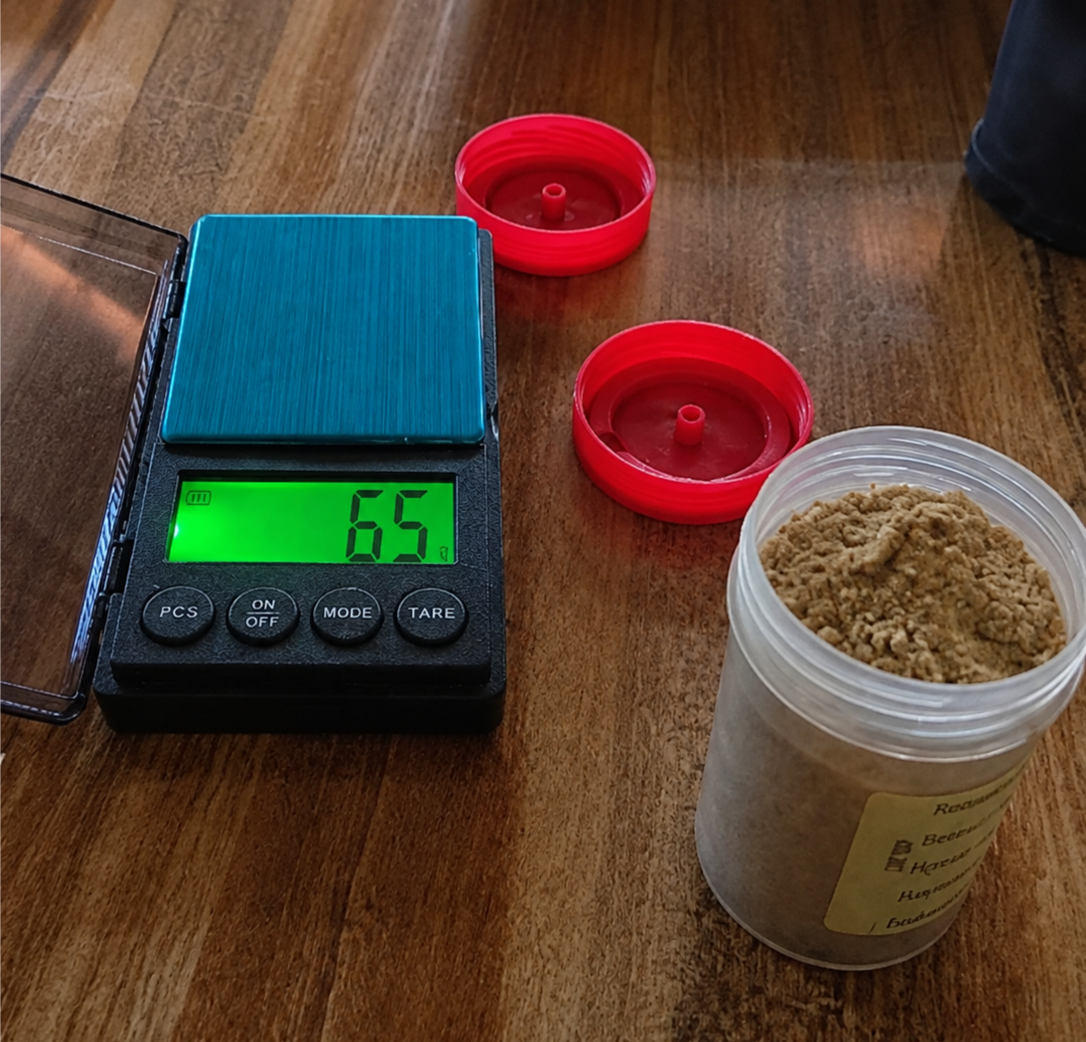
Bee venom contains melittin, phospholipase A2, apamin and adolapin, the compounds behind its value in medicine and skincare. We keep them intact through careful collection, drying and cold storage.
Full batch documentation is supplied with every order.
| Product | Bee venom (apitoxin), dried |
|---|---|
| Origin | Kenya, East Africa |
| Source | Apis mellifera colonies in partner apiaries |
| Main components | Melittin, phospholipase A2, apamin, adolapin |
| Collection | Non-destructive, using our own venom collectors |
| Packaging | Airtight containers, labelled by batch |
| Storage | Frozen at -20°C for long-term storage, up to five years |
| Documentation | Collection location, harvest date, production and quality records per batch |
| Laboratory analysis | [Available on request / to confirm] |
| Supply | Samples, bulk orders and scheduled supply |
One controlled process, used by every partner apiary, so each batch meets the same standard.
Partner beekeepers are trained in our collection method and colony care.
Our collectors gather venom on glass plates. The bees are not harmed and keep their stings.
Venom dries on the plates and is harvested under clean, controlled conditions.
Each batch is labelled with its apiary, harvest date and production data.
Sealed and kept cold until it is packed and shipped to the buyer.
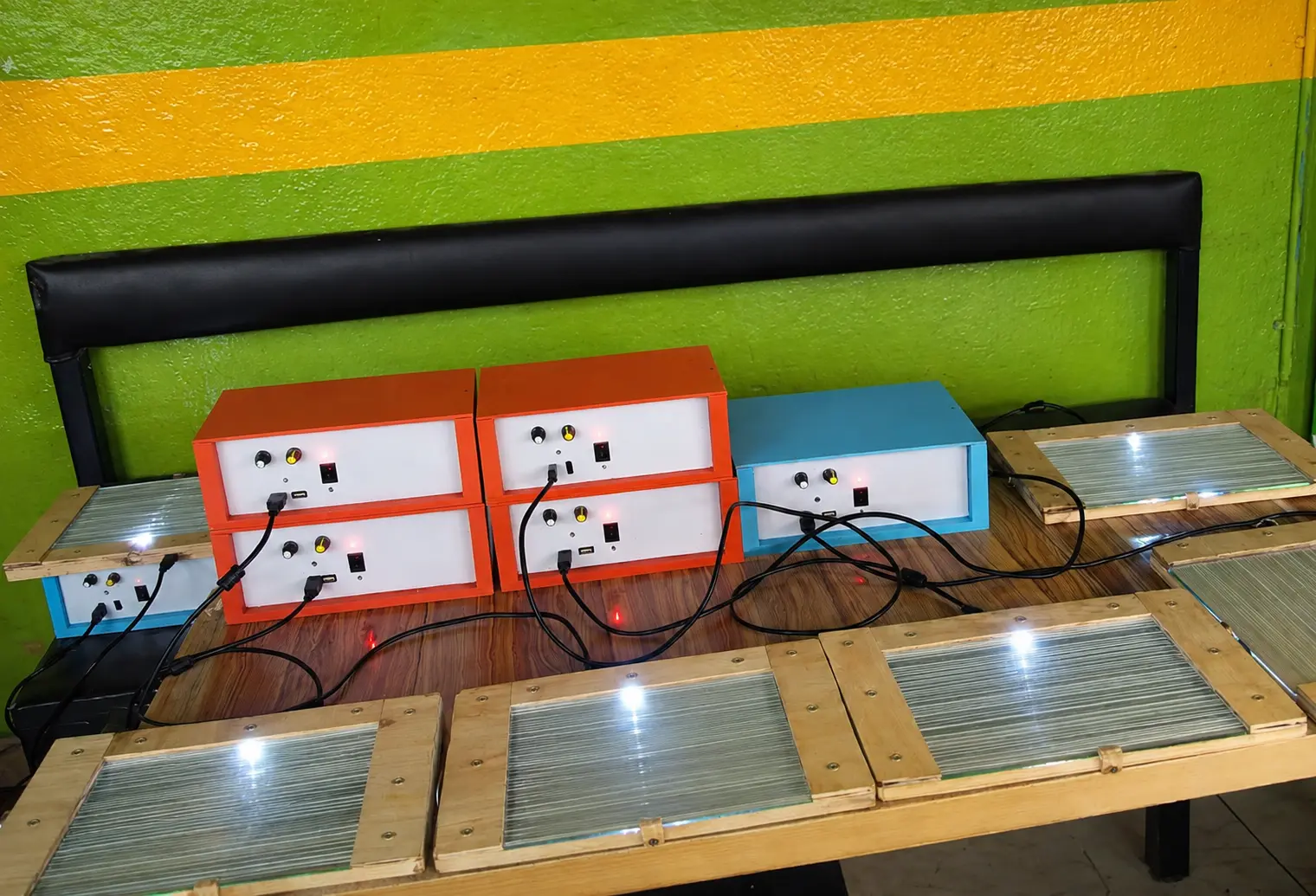
Imported collectors are too costly for most beekeepers, which has kept bee venom supply small and irregular. We design and manufacture our own: affordable, efficient and safe for the colony.
The same collection and handling steps at every partner apiary.
Clean harvesting and sealed packing keep the venom free of contamination.
Every batch traces back to its apiary, harvest date and handling records.
Room temperature short-term, refrigerated mid-term, -20°C long-term.
Kenya's biodiversity and healthy bee populations give us strong natural conditions for venom production, at competitive international prices.
Scheduled deliveries, distribution agreements and export partnerships.
Discuss an agreementTell us what you need: intended use, quantity and delivery schedule. We reply with availability, pricing and documentation.