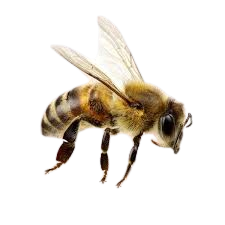
How Climate Change Affects Bees
Introduction
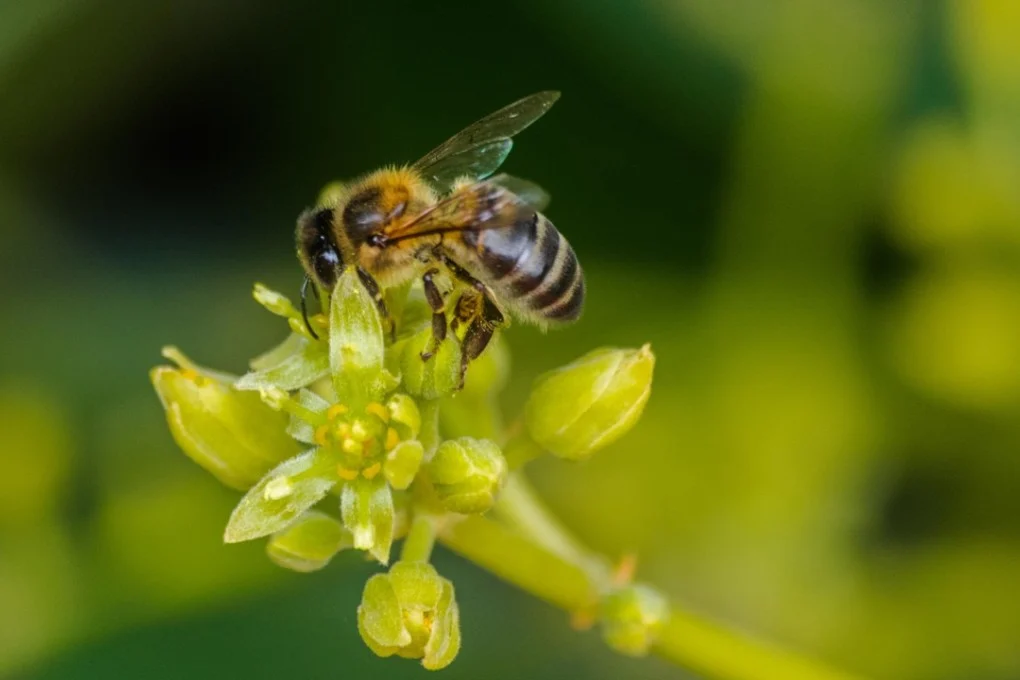
For millions of years, bees have evolved alongside flowering plants in a delicate partnership. Flowers provide nectar and pollen, while bees help plants reproduce through pollination. This relationship has helped shape ecosystems, support biodiversity, and contribute to the production of many foods people enjoy every day.
But as the climate changes, that balance is increasingly being tested. Rising temperatures, shifting rainfall patterns, prolonged droughts, and extreme weather events are altering the environments that bees depend on to survive.
What makes this issue especially important is that the impact extends far beyond bees themselves. It affects crops, wildlife, ecosystems, and ultimately human communities.
Why This Topic Matters Today
Climate change is no longer a future concern—it is already influencing landscapes across the world. Farmers, conservationists, researchers, and beekeepers are observing changes in flowering seasons, plant distribution, and pollinator activity.
Because bees play a critical role in pollination, disruptions to their populations can have ripple effects throughout entire food systems.
Understanding these challenges helps communities prepare for a future where environmental conditions may look very different from those of previous generations.
The Changing Relationship Between Bees and Flowers
One of the biggest challenges caused by climate change is the disruption of natural timing.
Bees rely on flowering plants for food, while plants rely on bees for pollination. Traditionally, both have evolved to operate on similar seasonal schedules.
However, warmer temperatures can cause some plants to bloom earlier than usual. If bees emerge later than expected, they may miss critical food sources.
This mismatch can reduce:
- Nectar availability
- Pollen resources
- Successful pollination
- Colony growth opportunities
Even small changes in seasonal timing can affect entire ecosystems.
Extreme Weather and Colony Stress
Bees are highly sensitive to environmental conditions.
Extreme weather events such as droughts, heatwaves, floods, and storms can make it difficult for colonies to gather food and maintain normal activity.
For example:
- Drought can reduce flower abundance.
- Heavy rains can limit foraging opportunities.
- Heatwaves can increase stress inside hives.
- Storms can damage habitats and food sources.
When these events occur repeatedly, colonies may struggle to recover.
Habitat Changes and Food Availability
As temperatures shift, many plant species are changing where they grow.
Some flowering plants are moving into cooler regions, while others are declining in areas that have become too hot or too dry.
This affects bees because food sources that were once reliable may become scarce.
In some regions, bees may need to travel farther to find nectar and pollen, requiring more energy and increasing colony stress.
Real-World Examples
Researchers around the world have documented changes in pollinator behavior linked to changing environmental conditions.
In some agricultural regions, farmers have reported altered flowering schedules, while conservation groups have observed shifts in pollinator activity patterns.
Urban areas are also affected. Cities experiencing higher temperatures may see changes in flowering cycles that influence local bee populations.
These observations demonstrate that climate-related effects are not limited to one region or ecosystem.
Interesting Facts and Common Myths
Fact: Bees Can Sense Environmental Changes
Bees respond quickly to changes in temperature, rainfall, and floral availability.
Fact: Different Bee Species Respond Differently
Some species adapt more easily than others, while certain populations may face greater challenges.
Myth: Climate Change Only Affects Polar Regions
Environmental changes are influencing ecosystems worldwide, including areas where bees are commonly found.
Myth: Bees Can Easily Adapt to Any Change
Although bees are resilient, rapid environmental changes can outpace their ability to adapt.
Common Misconceptions About Climate and Pollinators
A common misconception is that climate change affects only bee numbers.
In reality, it can influence:
- Pollination efficiency
- Flowering schedules
- Colony health
- Migration patterns of some pollinators
- Availability of food resources
Another misconception is that managed honeybee colonies are the only concern. Wild pollinators, including many native bee species, face similar environmental pressures.
Future Trends and Opportunities
Scientists, farmers, and conservation organizations are increasingly exploring ways to support pollinators in changing environments.
Some efforts include:
- Creating pollinator-friendly habitats
- Expanding flowering plant diversity
- Improving landscape conservation
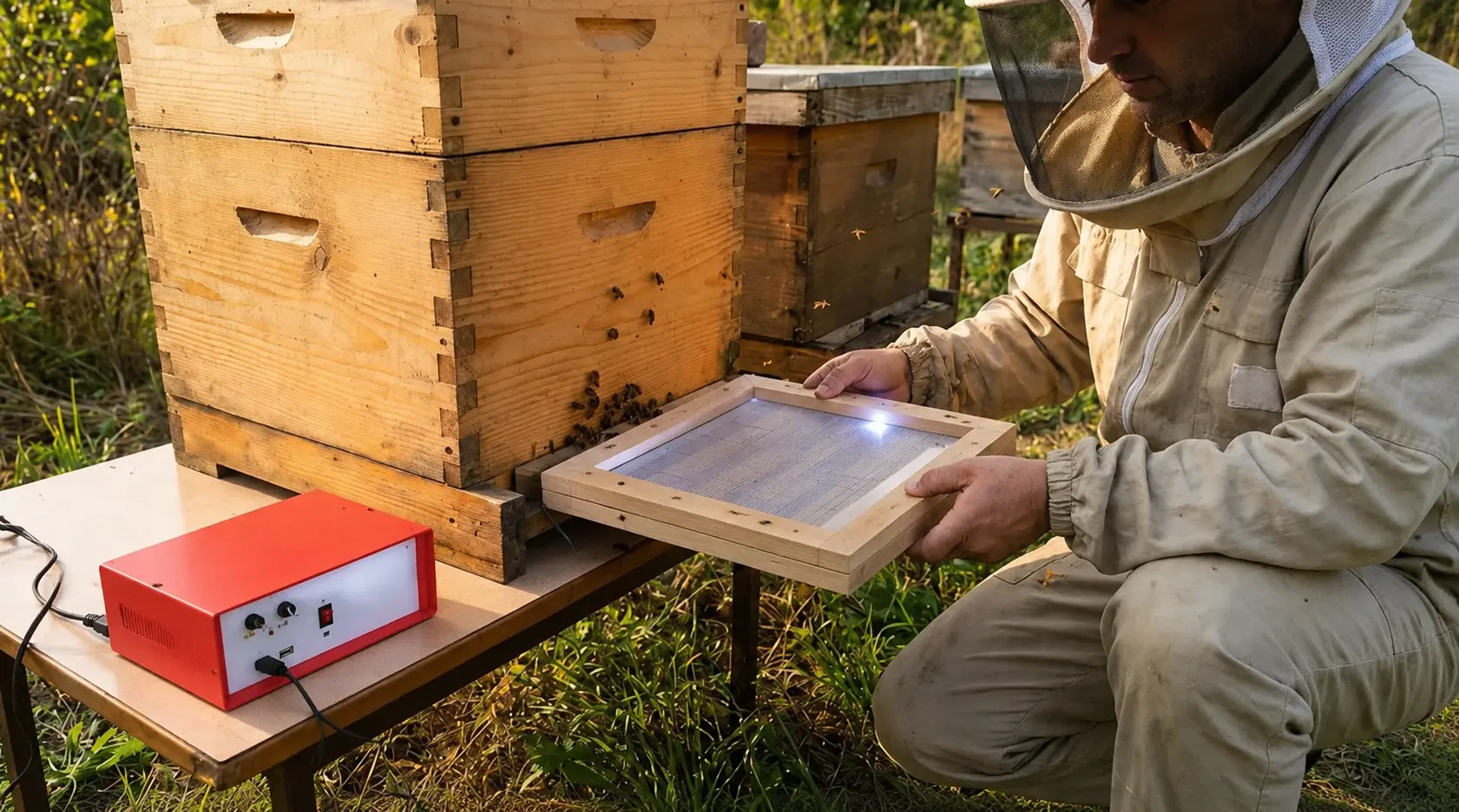
- Using technology to monitor colony health
Research into climate-resilient ecosystems may play a growing role in protecting pollinators in the years ahead.
Conclusion
Climate change is reshaping the world that bees depend on. From altered flowering seasons to extreme weather events and changing habitats, the challenges are complex and interconnected.
Yet the story is not only about challenges. It is also about awareness, adaptation, and the opportunity to better understand the relationship between pollinators and the environment.
As the climate continues to evolve, the future of bees will remain closely linked to the choices societies make about conservation, agriculture, and environmental stewardship. Their story is ultimately part of a much larger story—one that affects ecosystems, food systems, and life on Earth itself.