The beekeepers who earn well in Kenya rarely got lucky. They made a few good decisions before the first hive was installed. If you are before starting beekeeping, the key decisions are your site, your apiary type, how you will sell, how much training you get, and how many hives you begin with.
The good news is that none of this is complicated. Get these right and beekeeping becomes one of the most manageable agribusinesses you can run.
Start With the Land and What Surrounds It
Bees forage for food up to 6 km from the hive. That means your neighbours’ trees, crops and wild flowers are part of your business. Before you commit to a site, walk the area and note what is flowering and in which seasons. A site with varied forage will keep colonies strong for longer.
Water matters just as much. Bees need a clean source close to the apiary, especially in dry months. A stream, a dam or a farm water point is ideal. If none is nearby, a shallow container with small stones, where bees can land safely, does the job.
Closed or Open Apiary: Match It to Your Land
Your choice depends on how much space you have and who is around.
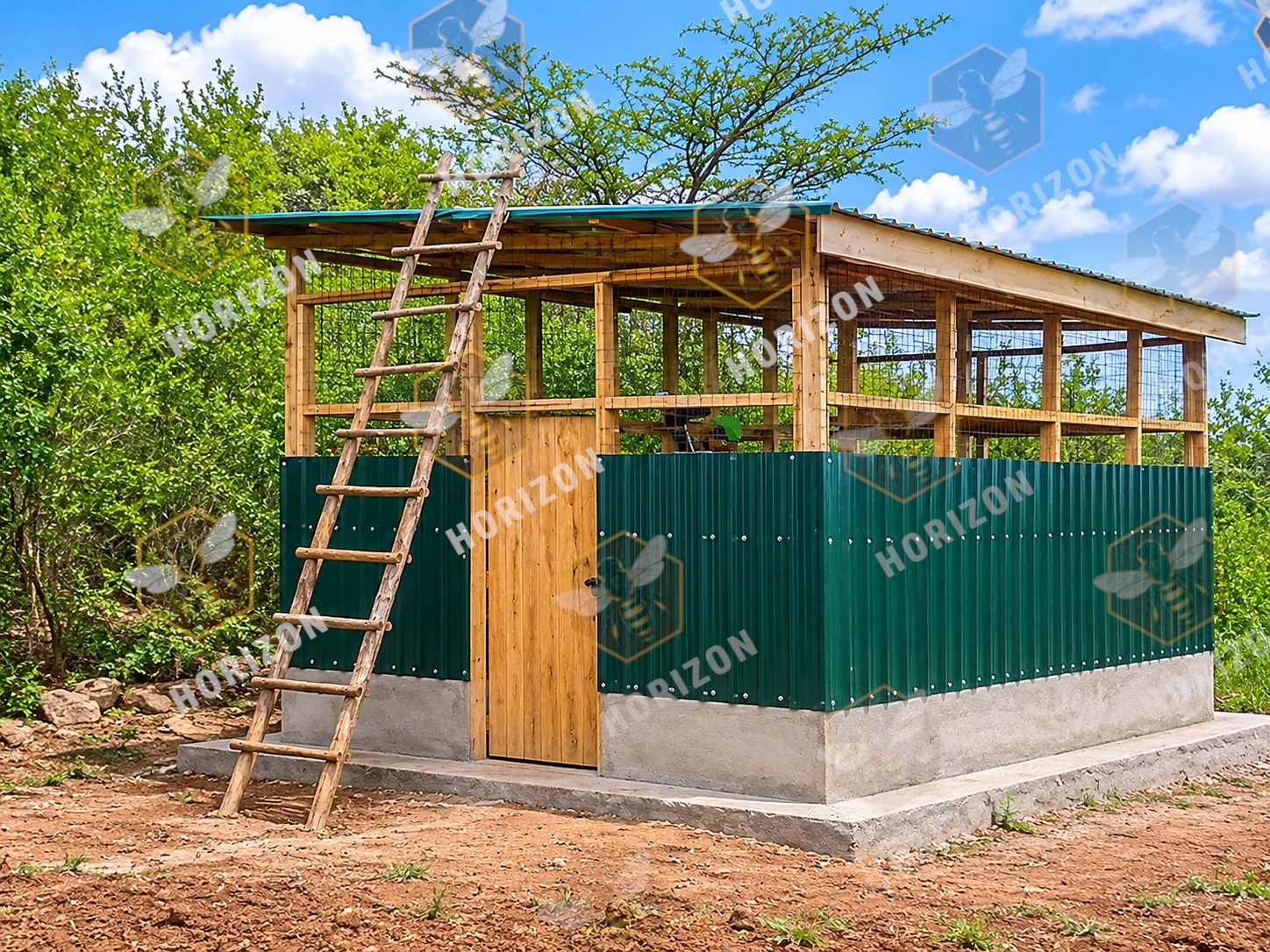
A closed apiary suits a homestead, where people and animals are close by. Bees leave the hive and fly upwards and away, so they go about their work above everyday movement without disturbing anyone. For a person with limited land, this is the practical answer. You can keep bees at home and still live and work normally around them.
An open apiary is better for a large farm. Set it near a water point, in a quiet farm corner or on unused land. The bees have room, and the hives stay away from daily traffic.
Hive Stands or a Central Apiary?
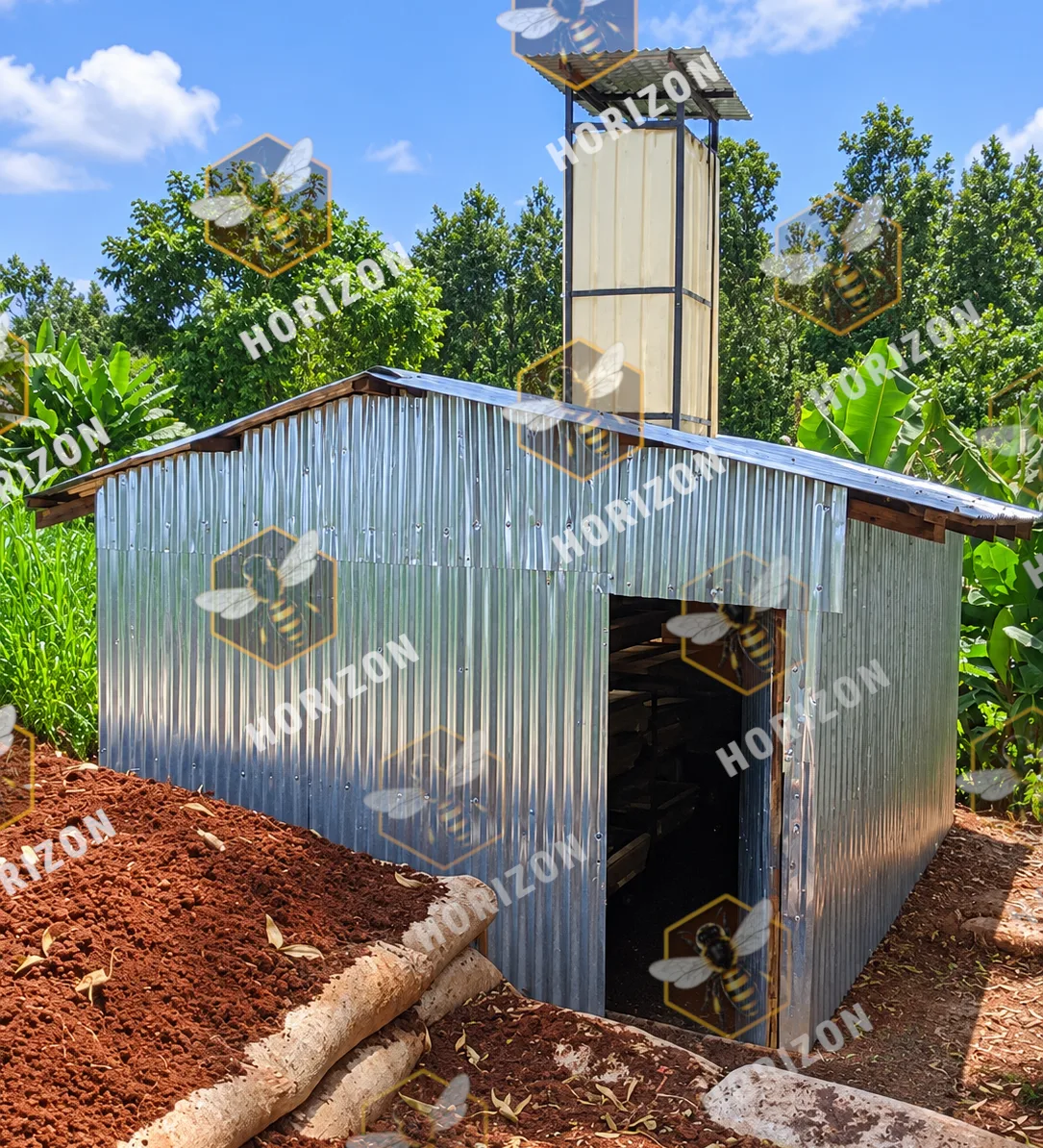
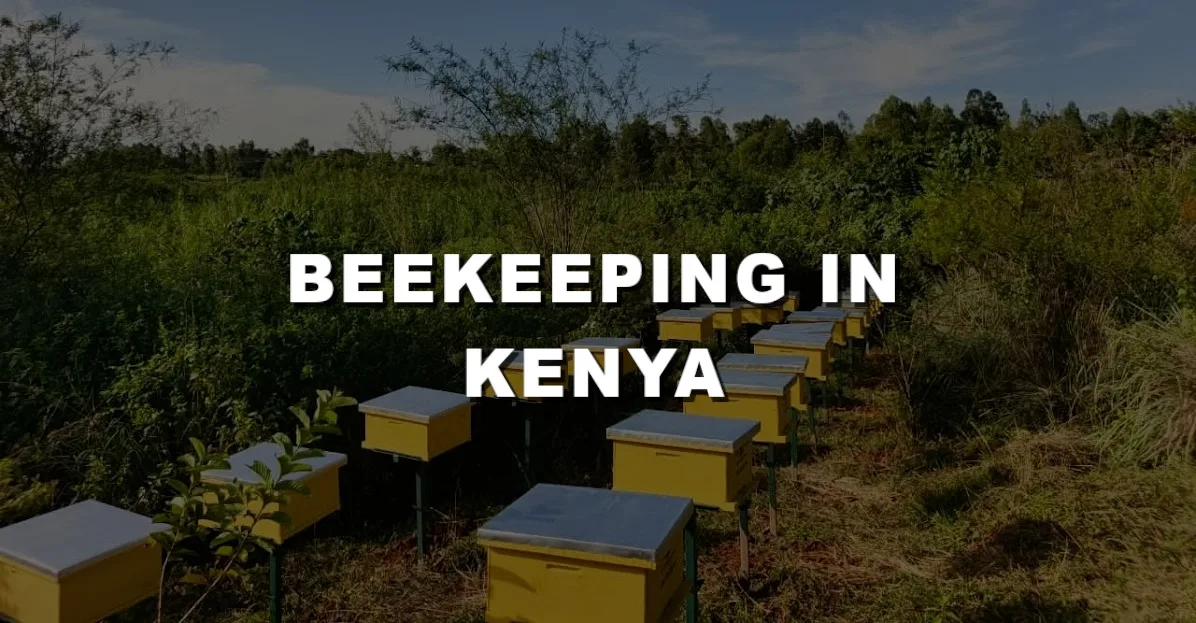
Hive stands let you place hives in different parts of the farm. You can set a stand almost anywhere, which makes it easier to catch swarms and settle colonies. That is why stands work so well for beginners.
The limitation shows at harvest. Collecting products such as bee venom and pollen is harder when hives are spread out, because every visit means moving from point to point. The sensible path is to begin with stands, learn how your bees behave, and later build a central apiary where hives sit together and are easy to manage.
Selling Solo or Partnering With a Company
Many new beekeepers produce well and then struggle to find a buyer. Deciding how you will sell, before you start, avoids that problem.
Partnering with a company gives you a ready market while you learn. Your honey or venom does not sit unsold. And you are not locked in: you sell at your own price or price negotiated between your buyers, so you can compare the company’s offer with what other buyers pay. Meanwhile, you use the early months to study the market and build your own list of customers. Over time, you decide how much to sell through the partner and how much to sell directly.
The partner you choose matters. Look for a company with proof that it buys products, not only one that sells hives. Ask for its current buying prices, written terms, and the names of beekeepers already supplying it. A company that buys is a market. A company that only sells equipment is a supplier.
Training Helps, Your Own Research Completes It
When you buy hives from a company, training should come with them. But the best beekeepers keep learning on their own. Reading, asking questions and observing your hives teaches you how colonies grow, what each season brings, and why bees behave as they do. That understanding lets you fix small problems before they become expensive ones.
Think Long Term
Beekeeping is very profitable when done properly, but it is not a get-rich-quick scheme. Colonies take time to settle and strengthen, and the best results come in the second and third years. Investors who treat it as a long-term business, and stay involved, are the ones who build steady income.
Why Your Starting Number of Hives Matters
Many beginners try beekeeping with five or six hives. That is a hobby: pleasant to watch, and good for pollinating your farm, but not a business. A serious investor should start bigger, for three reasons.
First, not every hive gets colonised, so more hives means more working colonies. Second, buyers need steady volumes, and a few hives cannot supply them. Third, risk is spread: if one colony leaves or struggles, the rest keep producing. Managing 50 or 100 hives also takes little more planning than managing 6.
Even Half Colonised Is Good News
Suppose you set up 50 hives and only 50% are colonised in the first six or 7 months. That is 25 working colonies, and you are already in business.
Bee venom shows what that can mean. Bee venom sells in the Kenyan market at roughly KSh 2,000 to 6,000 per gram. Horizon Bee Africa, for example, currently buys at KSh 4,500 per gram.
Venom per colony, per month | Total from 25 colonies | Income per month | Income per year |
|---|---|---|---|
0.5 g (cautious) | 12.5 g | KSh 56,250 | KSh 675,000 |
1 g (well managed) | 25 g | KSh 112,500 | KSh 1,350,000 |
Now compare a hobby set-up of 6 hives with 3 colonised, at 0.5 g each. That gives 1.5 g a month, or KSh 6,750 a month, about KSh 81,000 a year. The bees and the effort are similar, but the result is very different.
These figures are estimates. They assume a price of KSh 4,500 per gram, healthy colonies and careful collection. Actual yield depends on the colony, season and method, and equipment, labour and transport costs are not deducted. Honey and other products would add to your income.
Choose Your Hive Type for Your Goals
Finally, decide which hive suits your plan. Some types are built for strong honey production, others are cheaper to start with, and some suit collecting several bee products. In Kenya, the Langstroth and Kenya Top Bar hives are common choices. Match the hive to your budget, your goals and the products you want to sell, and ask your training partner for advice.
Frequently Asked Questions
How far do bees travel to find food?
Up to about 6 km from the hive, so check the plants and water around your land.
Can I keep bees at my homestead?
Yes. A closed apiary suits small land with people and animals, because bees fly up and away from the area.
How many hives should I start with?
More than 10. Starting with around 50 gives you room to grow, even if only half are colonised at first.
Is beekeeping a quick way to make money?
No. It is profitable when done well, but it rewards patience and a long-term view.

Comments
0 comments