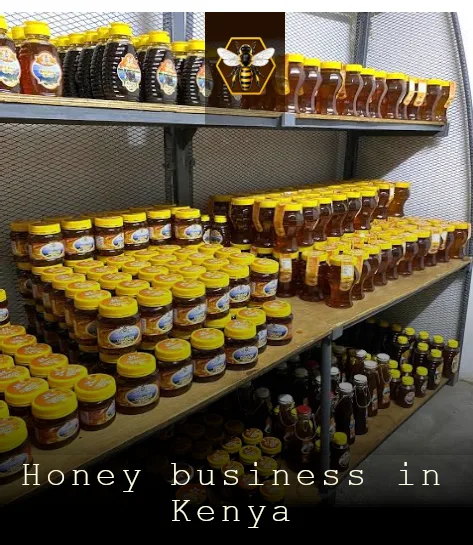
Walk into any shop in Kenya and look at the honey shelf. Some jars are golden and thick, others pale and watery. Which one is the real thing? Many buyers can’t tell, and that confusion is where a smart honey business can grow.
The honey business in Kenya is one of the simplest agribusinesses to start. It needs little land, little daily time, and it pays for years. Here is how it works.
Why Kenyans Keep Buying Honey
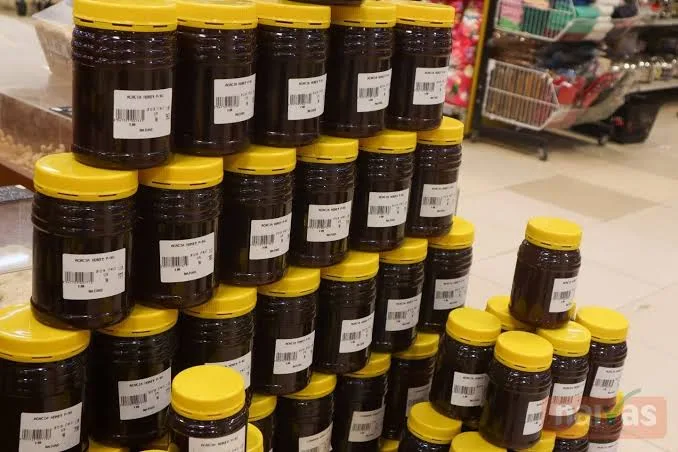
Honey is part of everyday life here. Kenyans stir it into morning tea instead of sugar, and families keep a jar at home for sore throats and coughs. Many people also trust honey as a natural remedy, and demand for it never really drops.
Honey also reaches far beyond the kitchen. It is used in cosmetics, and you will find it in:
Face masks and facial scrubs
Soaps and body lotions
Lip balms
Hair conditioners and treatments
Honey draws and holds moisture, which is why beauty brands love it. So your buyers are not only households. They include hotels, schools, hospitals, shops and skincare makers.
A quick note on health: honey can soothe a cough and is a lovely natural sweetener, but it is not a cure for illness. Babies under one year should not be given honey. If you have a health condition, talk to a qualified health professional.
The Fake Honey Problem Is Your Opportunity
Fake and adulterated honey is common in Kenyan markets. Some jars are mostly sugar syrup, colouring and water, with very little real honey. Buyers who have been cheated are now asking one question: “Where can I get pure honey I can trust?”
If you can answer that question, you have a business. Hotels want a reliable supplier. Schools want safe honey for their kitchens. People who use honey for health reasons want the real thing and will pay fairly for it. Trust is the product you are selling, and honey is how you deliver it.
How Many Hives Should You Start With?
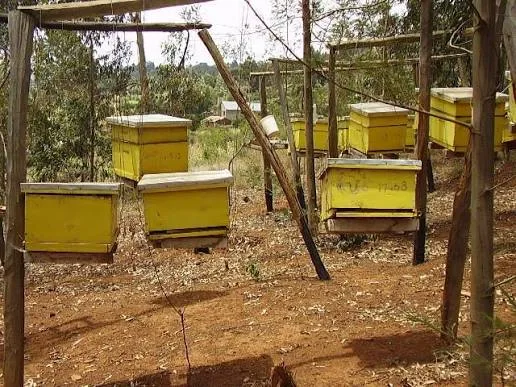
We recommend a minimum of 20 hives. It is small enough to manage and big enough to earn real money. With 20 hives you can supply regular buyers instead of selling a few jars at a time.
What Can 20 Hives Earn You?
Let’s do the numbers. This example uses Langstroth hives with a deep super.
Harvest per hive: 15 kg (a careful, realistic figure)
20 hives × 15 kg = 300 kg per harvest
Harvests per year: 3
300 kg × 3 = 900 kg of honey a year
That is about 75 kg every month on average
Now, what does that earn? These are estimates, and prices change by region and season.
How you sell | Assumed price per kg | Yearly income from 900 kg |
|---|---|---|
Wholesale to resellers | KSh 600 | KSh 540,000 |
Your own branded jars | KSh 1,000 | KSh 900,000 |
Assumptions: all 900 kg is sold, colonies stay healthy, and the rains and flowers are good. Branded sales cost more in packaging, labels, transport and marketing, so the final profit is not the full figure above.
What Does It Cost to Start?
As a rough guide, 20 hives with colonies, plus a smoker, protective gear, buckets and an extractor, may cost around KSh 300,000 to 400,000. This is an estimate, and prices vary by supplier. Many beekeepers recover their investment in about 12 to 24 months, and the hives keep producing for many years afterwards.
How Long Before You See Results?
Be patient at the start. After you set up the hives and the bees settle in, your first harvest usually comes a few months later. Year one is for building strong colonies. From year two, a well-managed apiary can give you the three harvests a year.
Patience is the real secret in beekeeping. Beekeepers who rush, open hives too often or harvest too early often end up with disappointment. Give the bees time and the honey will come.
Two Ways to Sell Your Honey
1. Wholesale to resellers. You sell in bulk to shops, supermarkets and traders. Money comes in quickly, with little marketing work. The price per kg is lower.
2. Build your own brand. You pack your honey in neat jars with your own label and sell directly to hotels, schools and individuals. It takes more effort, but the price per kg is higher, and customers who trust your brand come back again and again.
Many beekeepers do both. They sell some in bulk for steady cash and keep the best honey for their own brand.
Don’t Just Keep Bees, Run the Business
Bees work hard, but they are not a “set and forget” project. Successful beekeepers are present in their business. That means:
Inspecting your hives regularly to check the queen, the brood and the honey stores
Watching for pests and disease early
Harvesting at the right time
Keeping records of what each hive produces
The good news is that this takes only a few hours a week once you get used to it. If you are busy or just starting out, you don’t have to do it alone. You can hire inspection and management services from a company, or partner with a team like Horizon Bee Africa. You can even supply your honey to the company to be packed and sold. This way you stay involved while experts help you avoid costly mistakes.
Frequently Asked Questions
Is the honey business profitable in Kenya?
Yes, it can be. With 20 hives you could harvest around 900 kg a year, and income depends on whether you sell wholesale or under your own brand.
How many hives should I start with?
At least 20, so you have enough honey to supply regular buyers.
How much honey does one hive give?
A deep super Langstroth hive can give 15 to 20 kg per harvest. Planning with 15 kg is safe.
Do I need a lot of time?
No. Regular inspections and harvest days are enough, and you can hire help for the rest.
Who buys honey in bulk?
Hotels, schools, hospitals, supermarkets, resellers and cosmetic makers.
Work with Us
Want to start your own honey business with expert support? Horizon Bee Africa offers training, hive management and a market for your honey. Contact us here and let’s plan your first 20 hives together.

Comments
0 comments