
Commercial beekeeping in Kenya can be a profitable, long-term business when you do it with the right training, enough hives, patient management and a reliable buyer. It is not a get-rich-quick scheme, and anyone who sells it that way is not being straight with you. It is closer to building an apartment block: you invest, you build slowly, and over the years it pays you, and later your children, again and again.
This guide covers what beekeeping is, how to start, what it costs, what 200 hives could earn, and what can go wrong.
What Is Commercial Beekeeping?
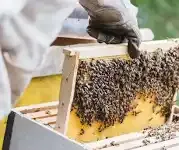
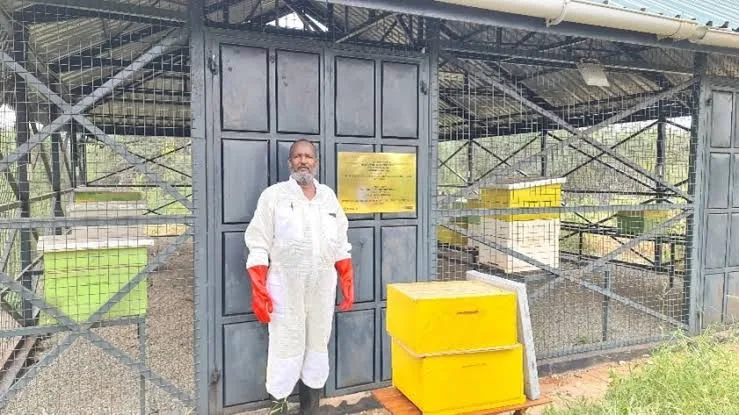
Beekeeping means keeping colonies of honey bees in hives to collect what they produce. It becomes commercial when you keep enough hives, and sell enough products, to run it as a business. Most commercial beekeepers in Kenya work with Langstroth hives, because they scale easily and suit products like bee venom.
Think of It Like a 10-Storey Apartment
Nobody builds a 10-storey apartment in a month. You lay the foundation, add one floor at a time, and rent out each floor as it is finished. After a few years, you have an asset that pays you every month and can be passed to your children.
Beekeeping works the same way:
Each hive is a floor. You add hives gradually, and each one starts producing as its colony settles and matures.
Income builds up over time. The more colonies you have settled, the higher your production rises.
The asset lasts. Hives, equipment and well-managed colonies can serve you for many years.
It can be inherited. A well-run apiary, with records and a market, is something your children can continue.
That is the mindset to bring: patient, planned and long-term.
The Products: Do Not Stop at Honey and Wax
Most beginners think only of honey, and perhaps beeswax. But the hive gives you many more products, and some are worth far more by weight.
Product | Why it matters |
|---|---|
Honey | The classic product, with steady local demand |
Bee venom | Sold by the gram, with the highest value per gram |
Propolis | Used in health, skincare and oral products |
Bee pollen | A growing wellness and nutrition product |
Beeswax | Used in cosmetics, candles and balms, which you can also make yourself |
Queens and colonies | Sold to new beekeepers |
Pollination services | Hives rented to farmers |
Training | Experienced beekeepers teach others |
The smartest beekeepers use their hives for several of these at once, so one apiary earns in many ways.
How to Start Beekeeping in Kenya
Learn first. Take oral training to understand the basics, then practical training with real hives. Training prevents most beginner mistakes.
Start with a serious number. Many beginners start with 10 or 20 hives, feel the investment is small, and end up neglecting them. Starting with about 50 hives makes you treat it like a business.
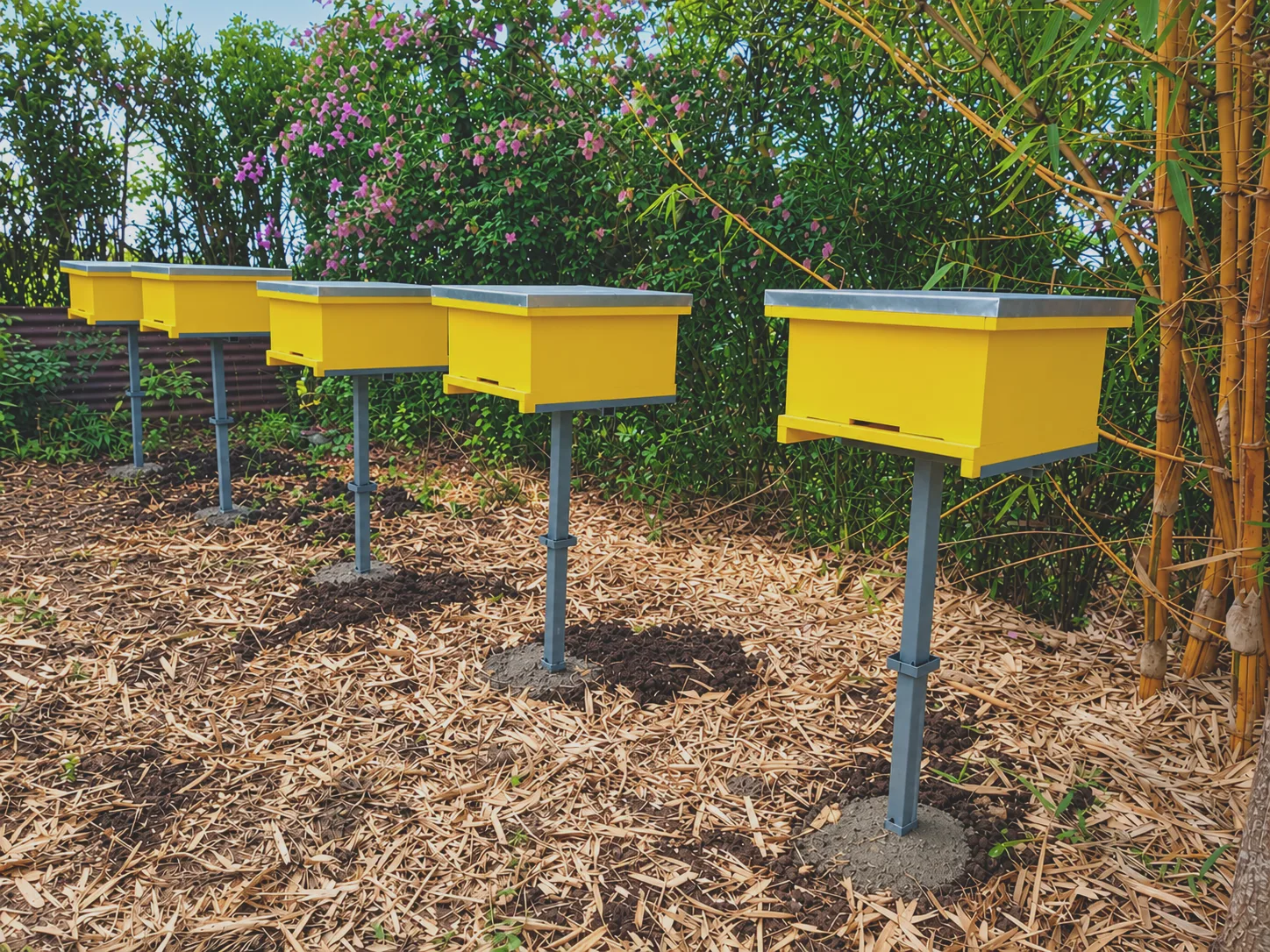
Choose your hives. A standard Langstroth hive costs KSh 4,500, and a deep super, which holds a stronger colony, costs KSh 5,000, based on our prices.
Set up your apiary. Pick a quiet, shaded spot with water and flowers nearby, and put your hives on stands.
Let the colonies settle. Bait your hives, catch swarms, and give the bees time. It usually takes about three months before a new colony is ready for collection.
Find a buyer before you harvest. Know where your produce will go.
Scale up. Add hives as you learn, working towards 100, then 200.
What Does It Cost?
Estimates, using our current prices:
50 hives | 200 hives | |
|---|---|---|
Standard Langstroth hives (KSh 4,500) | 225,000 | 900,000 |
or Deep super hives (KSh 5,000) | 250,000 | 1,000,000 |
2 bee suits (KSh 3,500 each) | 7,000 | 7,000 |
Smoker | 2,000 | 2,000 |
Bee venom collector | 37,000 | 37,000 |
Honey extractor (about) | 34,000 | |
Approximate total | KSh 271,000 to 296,000 | KSh 980,000 to 1,080,000 |
Stands, extra screens, a hive tool, gumboots, transport and storage are extra, so ask for a current quote.
Is Commercial Beekeeping Profitable?
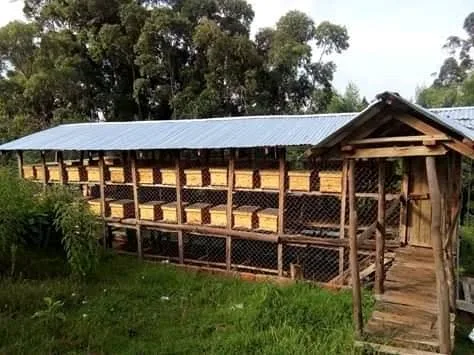
Here is what 200 well-managed hives could produce.
Honey: about 1 tonne per harvest. At KSh 800 to KSh 1,200 per kg, that is roughly KSh 800,000 to KSh 1,200,000 per harvest.
Bee venom: with venom selling at around KSh 5,000 per gram, 200 hives could give about 150 g a month. That is roughly KSh 675,000 to KSh 750,000 per month at KSh 4,500 to KSh 5,000 per gram.
Plus propolis, pollen, beeswax and more.
A more cautious scenario for venom: if you collect half as much (75 g a month) and sell at the low end of the market (KSh 2,000 per gram), that is about KSh 150,000 a month. On a start-up cost of about KSh 1 million, that would take about seven months of full production to recover.
These are planning estimates, not guarantees. Venom collection starts after colonies mature, and yields and prices vary with colony strength, season, bee type, quality and the market. Figures are before costs such as labour, transport, feeding and replacing colonies.
The numbers show why people look at beekeeping seriously. But they only work if the next section is taken seriously too.
The Downfalls: What Can Go Wrong
A good business plan is honest about the risks. Here are the main ones.
Risk | What happens | How to reduce it |
|---|---|---|
Neglect | Skipped inspections lead to pests, absconding and weak colonies | Fixed routine, records, enough hives to take seriously |
Absconding | Colonies leave in dry spells or after disturbance | Water, shade, feeding and gentle handling |
Pests and predators | Ants, honey badgers, wax moths and beetles | Raised stands, clean site, regular checks |
Theft | Hives or equipment taken | Fenced apiary, catcher boxes in distant areas |
Poor management | Weak colonies, low yield, poor quality | Proper training and a trained partner |
Over-collecting venom | Fewer bees and less honey | Stick to a sensible weekly rhythm |
Rejected products | Contaminated or badly stored venom, propolis or honey is refused | Clean harvesting, drying and cold storage |
Market risk | Prices change, or you have no buyer | A partner who buys, and several products |
Allergies | Serious reactions to stings | Protective gear, and no one with severe reactions on site |
Slow start | Colonies take months to settle | Patience, and enough savings to wait |
Most of these come down to one thing: poor management. They are avoidable, and that is why training and a good partner matter so much.
How Much Time Does It Need?
Less than many forms of farming, but not nothing.
Hive checks about every two weeks in the busy season, and less when bees are settling or in lean periods
Weekly venom sessions of about 30 minutes per hive, if you collect venom
Harvest days for honey, wax and propolis
Records and sales to keep the business organised
You do not need to be at your hives every day, and many beekeepers manage it alongside other work. But it does need regular, reliable attention.
Why Partner with a Company That Also Buys
Many people sell hives. Fewer people stand behind them. A good partner offers:
Training, so you start with knowledge, not guesswork
Quality hives and equipment
Help setting up your apiary
A competitive market for your honey, bee venom, propolis, pollen and beeswax
Continued support as you grow
Be careful with: sellers who promise guaranteed returns, “quick rich” returns, or who sell hives with no training or buyer behind them. Ask where your produce will be sold, and at what standards, before you pay for anything.
What Every Beginner Should Know
Beekeeping rewards patience. It is a long-term business.
Train first. It is the cheapest protection you will buy.
Start serious, around 50 hives, and scale up.
Do not rely on honey alone. Explore venom, propolis, pollen and beeswax.
Keep records of every hive.
Treat it like any business, with a plan, a budget and a buyer.
Start Building Yours
If you want to begin, you do not have to do it alone. We train beginners, supply hives and equipment, help you set up your apiary, and provide a competitive market for your honey, bee venom, propolis, pollen and beeswax. Talk to us here: https://horizonbeeafrica.com/contact
Comments
0 comments