

TETU, NYERI COUNTY. A year ago, Daniel Wanjohi Karanja, 56, was still managing a bank branch and wondering what to do with his 10-acre farm. Today, he keeps bees full time, has added 100 hives to the 50 he began with, and has set his sights on 1,000. This beekeeping success story in Kenya started with one simple question: what do you do with your time and savings when your children are grown and your career is nearly behind you?
A Quiet Dream of the Land
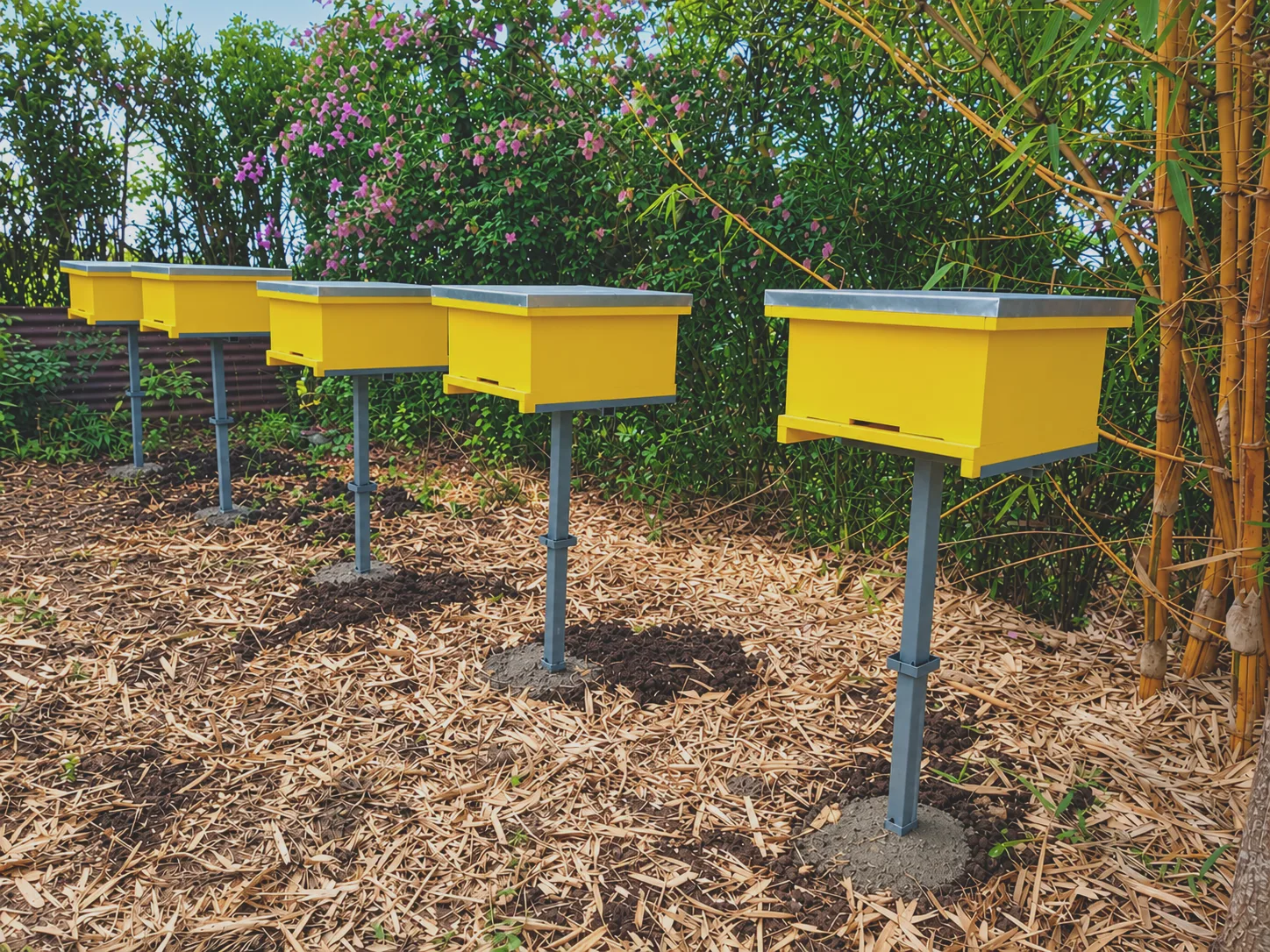
For years, Daniel’s weekdays were filled with targets, loan approvals and staff meetings. His children were grown and no longer depended on him financially, and for the first time in decades, no one was disturbing his peace of mind.
What he wanted, he says, was the land. He had a 10-acre farm in Tetu and a long-held passion for farming. But one question kept stopping him: which business should he choose?
“I knew I wanted to farm,” he says. “I did not know what to farm.”
A Teacher with a Clue
The answer came from an old friend, a primary school teacher who had kept bees for some time. While Daniel spent his evenings worrying about his next step, his friend spoke about his hives with unusual calm.
“He told me beekeeping had given him extra income, and he was still teaching,” Daniel recalls. “He did not have to be at the hives every day. A few well-planned visits were enough.”
For a man who spent years watching other people’s balance sheets, that was a revelation. A business that could run beside a full-time job could surely work even better for someone with time on his hands.
The Research
Daniel did what any banker would do: he studied it. He read about hives, markets and seasons, and compared the companies in the sector. Many sold hives and equipment. But he was looking for something else.
“I did not want a company that would sell me hives and disappear,” he says. “I wanted a partner I could also sell my produce to.”
That search led him to Horizon Bee Africa. He followed the company on social media for a while, watching its training posts, its articles on colony health and bee venom, and its work with beginners. Then he made contact.
A 10-Year Partnership
After several conversations, Daniel signed a ten-year contract with Horizon. It gave him training, support to set up his apiary, and a buyer for what his hives would produce.
He began with 50 hives, funded by his savings. At today’s prices, a start of that size, with basic protective gear, comes to roughly KSh 234,000 to KSh 259,000, depending on the hive type (an estimate).
“Because I had savings, I could start properly,” he says. “A serious start made me take it seriously.”
That is a point the company often makes to beginners. People who start with a handful of hives sometimes drift away from them, while a bigger commitment encourages a regular routine.
Why Bee Venom?
As Daniel learned about the different bee products, one stood out: bee venom. It is sold by the gram, and its earning potential compared with his monthly bank salary caught his attention.
He is clear, though, that it did not happen overnight. His colonies needed about three months to settle and mature before the first collection. Yields vary with the colony, the season and how well the apiary is managed.
“It rewards patience and a routine,” he says. “You collect weekly, you keep records, and you look after the bees.”
The Day He Resigned
As the months passed and his hives gave him good returns, the picture became clear. The apiary was paying, and the support from Horizon kept coming, with training, guidance and a market for his produce. Daniel decided to resign from his job to focus on the farm full time.
His days now begin at the apiary. He still works with numbers, only now they are hive records, harvest dates and collection schedules.
One Year On: 100 More Hives
Twelve months after he started, Daniel has added 100 more hives, bringing his apiary to 150. The decision, he says, was easy.
“The hives paid me well in the first year, and the support never stopped, so adding more was the obvious next step.”
His goal is 1,000 hives. The 10-acre farm is his home base, with hives spread across several sites.
What He Tells Others
Asked what he would say to someone thinking of making the same move, Daniel offers four lessons:
Learn first. “Do the training before you buy the hives.”
Start properly. “Fifty hives taught me more than ten ever would have.”
Find a partner who also buys. “Knowing where my produce goes let me plan.”
Be patient. “Bees keep their own calendar.”
Frequently Asked Questions
Do I need to quit my job to keep bees?
No. Many beekeepers start part-time. Quit only when your income is steady, and you are confident in your routine.
How many hives should I start with?
To learn,10 to 20 is fine. For high income, a start of 50 or more, with the right training, works best.
How much does it cost to start?
Roughly KSh 234,000 to KSh 259,000 for 50 hives and basic protective gear, based on our prices. This is an estimate.
Is bee venom income guaranteed?
No. Yields and prices vary, and colonies need time to mature before the first collection.
Comments
0 comments