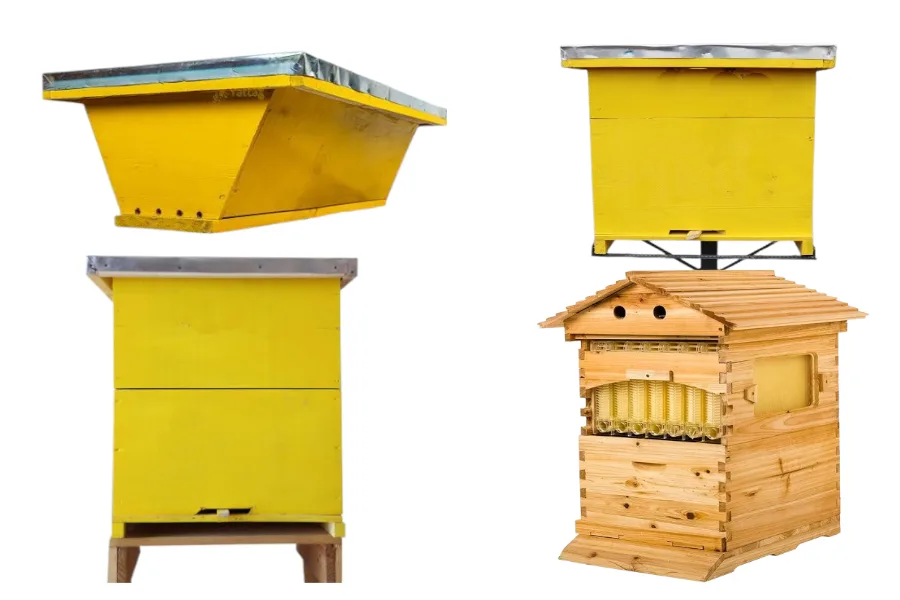
Here is the good news about choosing your first beehive: you can’t really get it wrong. Pick a Kenya Top Bar Hive for the lowest cost, a Langstroth if you plan to grow, or a Flow Hive if you want a little luxury. This guide to the best beehive for beginners will help you decide in five minutes, and the bees will do most of the work after that.
The Best Beehive for Beginners: Quick Picks
Langstroth | Kenya Top Bar | Flow Hive | |
|---|---|---|---|
Cost per hive | KSh 4,500 to 6,800 | KSh 3,500 to 7,000 | About KSh 90,000 to 125,000 |
Honey in a good year | 30 to 60 kg | 15 to 30 kg | Same as Langstroth |
Best for | Growing and selling | A cheap, easy start | Comfort and show |
Room to grow | Hundreds of hives | Dozens | A few hives |
Prices and yields are estimates and vary by area and season. The Flow Hive price is converted at about KSh 130 to the dollar, before shipping and duty.
Langstroth: Built to Grow
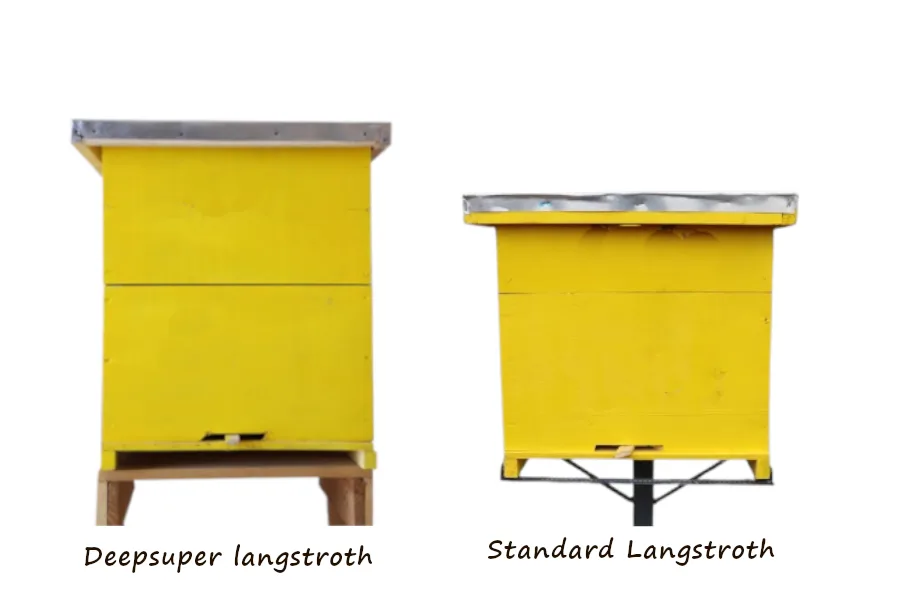
This is the hive most commercial beekeepers use, and it comes in two versions. The standard Langstroth costs KSh 4,500 with us. The deep super costs KSh 5,000 and has deeper boxes, so the colony has more space for brood and honey. In a good season, a deep super can give 30 to 40 kg of crude honey, which is about 20 kg of pure honey once processed.
Why people love it:
Bees reuse the comb. After you harvest, the frames go back in, so the bees spend their energy making honey, not rebuilding.
It is easy to expand. Every part is standard, so adding a box or a new hive is simple. One extractor serves the whole apiary.
It travels well. The boxes stack and strap together, so you can move colonies to farms that need pollination.
It suits bee venom. The flat frames give a collector screen a steady place to sit.
Kenya Top Bar: The Friendly Start
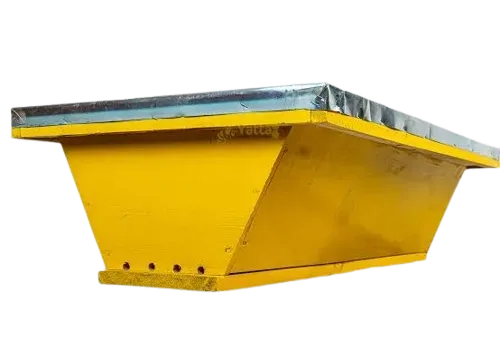
A long, horizontal box with bars across the top. The bees build their own comb, so you need no frames and no extractor. A local carpenter can make one from timber, and you can start with a bucket and a strainer.
Why people love it:
It is the cheapest way in. You can start with several hives for the price of a few Langstroth boxes.
It gives more beeswax, because the comb is crushed at harvest.
It does well in drier areas, where bees often settle into it faster.
The trade-off is a lower honey yield, and it is harder to move or to run in large numbers.
Flow Hive: The Luxury Option
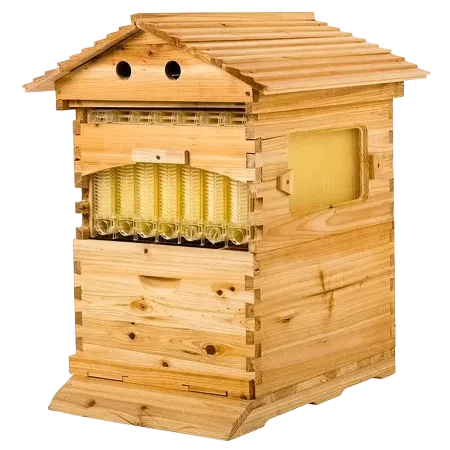
Turn a key, and honey flows out of a tap into your jar, with no extractor and almost no disturbance to the bees. It looks good and it is fun to use. It does not make more honey than a Langstroth, and it costs many times more, so it suits a small garden apiary more than a commercial one. You still look after the bees as usual.
What About 100 Hives?
At 100 hives, the numbers say a lot. At our prices, 100 standard Langstroth hives cost about KSh 450,000 and 100 deep supers about KSh 500,000. A hundred Flow Hives would be roughly KSh 9 million to KSh 12 million. That is why serious commercial apiaries use Langstroth hives.
Pick Yours in 30 Seconds
Want to start small and cheap? Kenya Top Bar.
Dreaming of 50 or more hives, venom or pollination? Langstroth.
Want comfort and have the budget? Flow Hive.
Not sure? Start with two or three hives of one type, learn, then add more. Many beekeepers use both designs side by side.
Quick Questions
Which hive is best for a beginner in Kenya?
The Kenya Top Bar is the cheapest start. A Langstroth is better if you plan to grow.
Which gives the most honey?
The Langstroth.
Standard or deep super?
Standard is a great start. Choose a deep super where forage is strong and you want more room for the colony.
Can I change later?
Yes. Many beekeepers start with one design and add another.
Start with Friendly Help
You do not have to figure it out alone. We supply Langstroth hives, help beginners choose their set-up, and provide training and a market for your produce. Chat with us here: https://horizonbeeafrica.com/contact
Pick a hive, put it in a quiet spot, and let the bees get to work. Your beekeeping journey starts with that first box.
Comments
0 comments