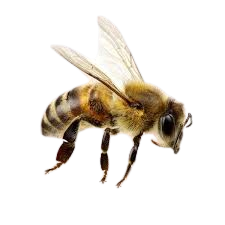
Why Bees Matter More Than Ever in a Changing Environment
Introduction
Imagine waking up one morning to find supermarket shelves missing many of the fruits, vegetables, nuts, and crops people enjoy every day. It may sound unlikely, but much of modern agriculture depends on a workforce that often goes unnoticed: bees.
While many people associate bees mainly with honey, their greatest contribution may actually be their role as pollinators. As environmental challenges continue to grow around the world, understanding the importance of bees has never been more relevant.
Why This Topic Matters Today
Global food systems depend heavily on pollination. Bees help fertilize flowering plants by transferring pollen from one blossom to another, allowing fruits, seeds, and vegetables to develop.
At the same time, many bee populations face pressures from habitat loss, changing weather patterns, pests, and reduced biodiversity. These challenges have sparked growing interest among scientists, farmers, environmentalists, and policymakers.
The conversation is no longer only about honey production. It is increasingly about food security, ecosystem stability, and agricultural sustainability.
The Hidden Work Bees Perform Every Day
Most bee activity happens quietly and often goes unnoticed.
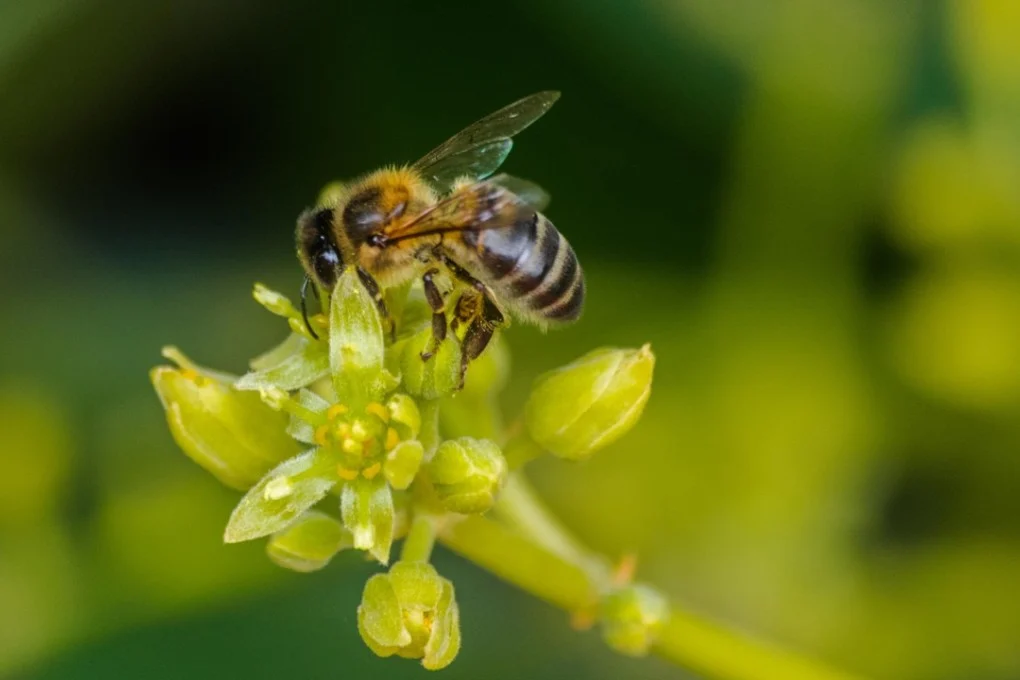
As bees travel from flower to flower collecting nectar and pollen, they unintentionally perform one of nature's most important services. This process supports the reproduction of countless plant species.
Many crops benefit directly from bee pollination, including:
- Avocados
- Sunflowers
- Coffee
- Apples
- Watermelons
- Almonds
- Cucumbers
Without effective pollination, yields can decline, fruit quality may decrease, and agricultural productivity can suffer.
Beyond farms, bees also support wild plants that provide food and shelter for birds, insects, and other wildlife.
Real-World Examples of Bee Impact
In many farming regions, growers actively monitor pollinator activity because it can influence harvest outcomes.
Fruit orchards often experience better fruit formation when pollinator populations are healthy. Vegetable producers also benefit from increased pollination rates, which can improve crop quality and consistency.
Urban environments are beginning to recognize this value as well. Community gardens, rooftop gardens, and green spaces often attract pollinators that contribute to healthier plant growth within cities.
These examples show that bees influence both rural and urban ecosystems in ways many people rarely consider.
Interesting Facts and Common Myths
Fact: Bees Are Responsible for More Than Honey
While honey receives most of the attention, pollination services often provide greater overall value to agriculture than honey production itself.
Fact: Not All Bees Live in Hives
Thousands of bee species exist worldwide, and many live alone rather than in colonies.
Myth: Bees Only Matter to Farmers
In reality, bees affect food availability, biodiversity, and environmental health, making their impact relevant to nearly everyone.
Myth: All Bees Sting
Many bee species are relatively harmless and rarely sting humans.
Common Misconceptions About Bee Conservation
One common misconception is that protecting bees only involves keeping beehives.
In reality, healthy bee populations depend on several factors:
- Diverse flowering plants
- Suitable nesting habitats
- Access to clean water
- Reduced environmental stressors
Another misconception is that all pollinator challenges can be solved quickly. Environmental systems are complex, and long-term improvements often require cooperation among farmers, communities, researchers, and conservation groups.
Future Trends and Opportunities
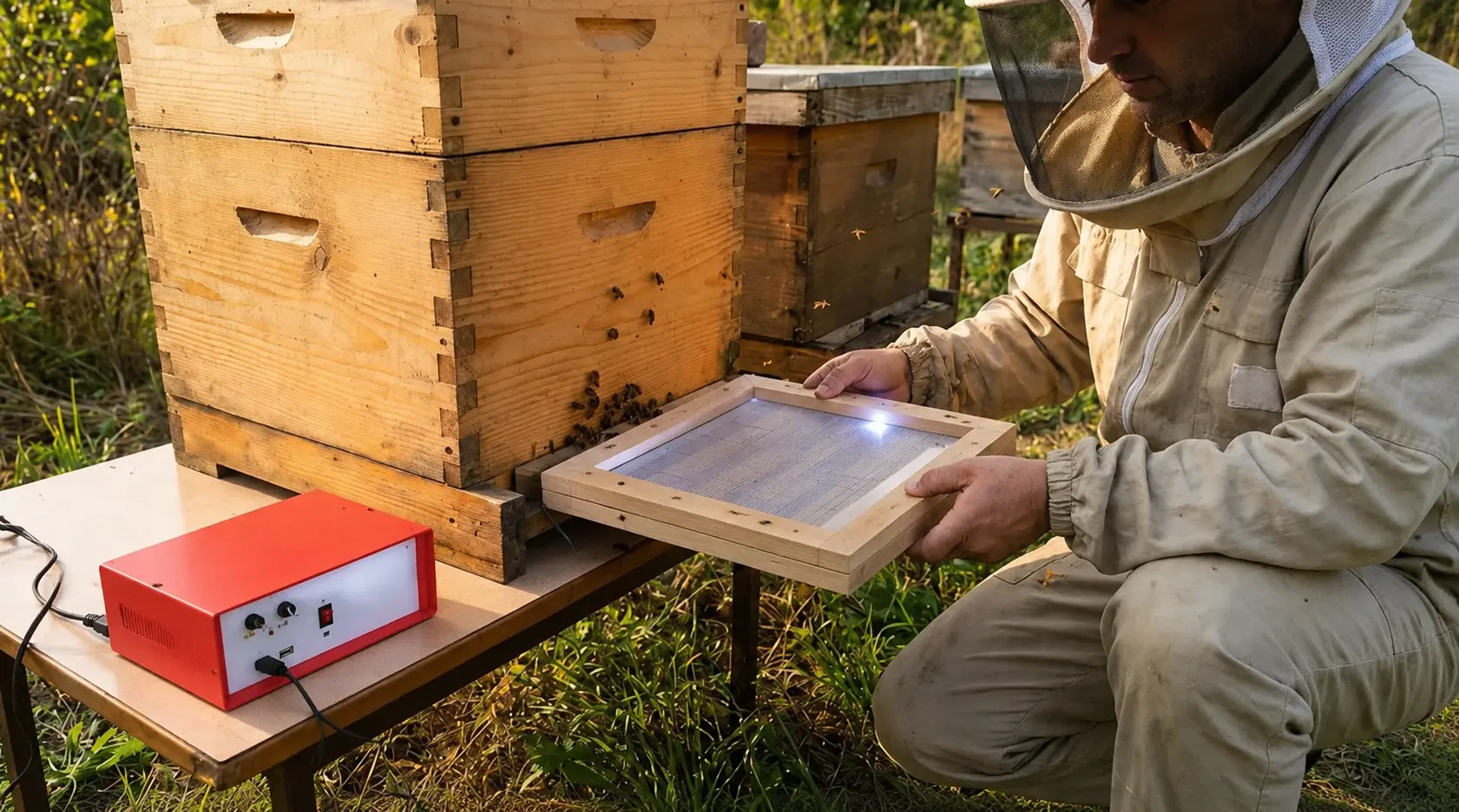
Technology is beginning to play a larger role in understanding pollinator health.
Researchers are using hive monitoring systems, environmental sensors, and data analysis tools to study bee behavior more closely than ever before.
There is also growing interest in creating pollinator-friendly landscapes that support both agricultural production and biodiversity.
As awareness increases, future agricultural systems may place greater emphasis on balancing productivity with ecosystem health.
Conclusion
Bees are among the smallest workers in nature, yet their influence reaches across farms, forests, gardens, and entire food systems. Their daily activity supports biodiversity, strengthens agricultural production, and helps maintain ecological balance.
As environmental challenges continue to evolve, bees offer an important reminder that even the smallest creatures can play an enormous role in shaping the future of our planet.