
Most people know bees for honey.
But honey is only one part of the opportunity.
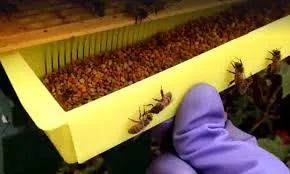
Every day, bees collect pollen from flowering plants, combine it with small amounts of nectar and bee secretions, and carry it back to the hive in small pellets. Beekeepers can collect part of this pollen using specially designed pollen traps positioned at the hive entrance.
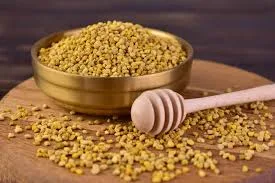
That product is bee pollen — and it is increasingly finding its way into food, nutritional supplements, cosmetics, research and other value-added products.
Why is bee pollen attracting attention?
Bee pollen naturally contains proteins, carbohydrates, lipids, fibre, minerals and various bioactive compounds, including vitamins, carotenoids and flavonoids.
This nutritional profile has made it particularly interesting to the food and wellness industries, where pollen can be sold as granules or processed into powders, capsules and other formulations.
It can also become an ingredient in products such as:
Nutritional supplements
Functional foods and beverages
Smoothies and energy products
Cereals and nutritional bars
Cosmetics and personal-care formulations
Pharmaceutical and nutraceutical research
Animal-feed applications
Industry research currently segments the bee-pollen market across food and beverages, nutraceuticals, pharmaceuticals, cosmetics and personal care, among other applications.
So, is there really demand?
Internationally, yes and the opportunity is broader than selling pollen directly to consumers.
Recent market research estimates the global bee-pollen market at roughly US$462 million in 2025, with one forecast projecting it to reach about US$852 million by 2034. Other market researchers produce considerably higher estimates, illustrating why individual market figures should be treated as estimates rather than exact measurements.
The important business signal is not one particular market-size figure. It is that bee pollen is being treated as a commercial raw material across several industries, while consumer demand for natural and functional ingredients continues to support the sector.
What about Kenya?
Kenya has an interesting opportunity because bee pollen does not have to be viewed only as another product for the local beekeeper.
It can become a value-added beekeeping commodity.
Kenyan beekeepers already operate in environments with diverse flowering plants and can potentially diversify beyond honey into pollen, beeswax, propolis, bee venom and other bee products.
However, there is an important distinction:
Having pollen available is not the same as having an exportable pollen business.
International buyers need consistency.
They want to know:
Where was the pollen produced?
How was it harvested?
How quickly was it processed?
What is its moisture content?
Is it free from foreign material?
How was it stored?
Can the product be traced back to its source?
Does it meet the required microbiological and chemical specifications?
This is becoming increasingly important as international standards develop. ISO 24382:2023 specifies requirements covering bee-pollen quality, analytical methods, packaging, labelling, storage and transportation.
The real opportunity is quality-controlled pollen
This is where beekeeping becomes more than simply keeping bees.
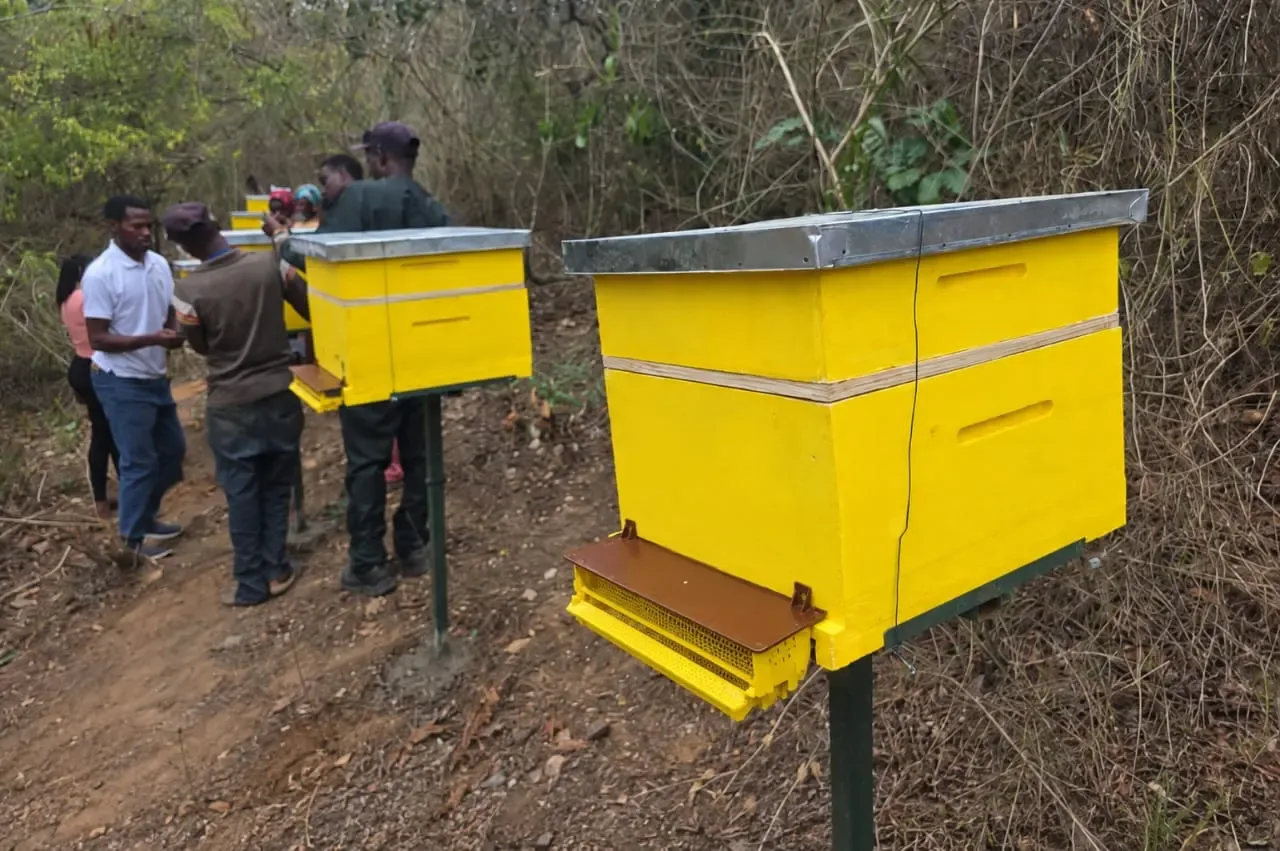
A beekeeper can install a pollen trap and collect pollen, but poor harvesting and storage can quickly destroy the commercial value of the product.
Fresh pollen contains considerable moisture and can deteriorate if it remains exposed to heat, humidity and contamination. Research has also shown that harvesting practices and the length of time pollen remains in traps can significantly affect microbial quality.
Good harvesting therefore involves more than placing a trap on a hive.
A commercial system should consider:
1. Appropriate pollen traps
2. Controlled harvesting frequency
3. Hygiene
4. Rapid post-harvest handling
5. Drying or freezing
6. Cleaning and sorting
7. Traceability and testing.
For serious commercial and export markets, producers need systems that allow batches to be identified and quality to be verified.
And there is another important consideration: the bees
Pollen is not merely a product sitting inside the hive waiting for the beekeeper.
It is one of the bees' primary sources of nutrients and is also used to produce bee bread, which is part of the colony's food system.
Therefore, responsible pollen harvesting should never be about taking as much as possible.
It should be about taking a controlled portion while maintaining healthy, productive colonies.
That means harvesting strategies should consider colony strength, available forage, season, weather and the nutritional needs of the colony.
The Kenyan opportunity
Kenya does not necessarily need millions of beehives to participate in the international bee-pollen market.
It needs organized producers, proper collection systems, quality control, aggregation and reliable market channels.
A network of trained beekeepers could collect pollen according to common protocols, aggregate it through a central quality-control system, test batches and supply buyers with a more consistent product.
Comments
0 comments