Can Beekeeping Be Done Part-Time?
Introduction
Beekeeping often carries an image of rural farms, full-time dedication, and large apiaries stretching across fields. But in reality, many modern beekeepers start small—sometimes while still working full-time jobs, studying, or managing other businesses.
This raises an important question: can beekeeping actually work as a part-time activity, or does it demand constant attention?
The answer is more flexible than most people expect.
Why This Topic Matters Today
Interest in small-scale agriculture and side-income activities has grown rapidly in recent years. At the same time, environmental awareness and demand for natural products like honey have encouraged more people to explore beekeeping.
Unlike many forms of livestock farming, bees do not require daily feeding or constant handling. This makes them uniquely suited for part-time management, especially when systems are properly set up.
However, success depends on understanding bee behavior, seasonal cycles, and proper hive management rather than constant physical presence.
How Part-Time Beekeeping Actually Works
Beekeeping is structured around natural cycles rather than daily human intervention. A well-managed hive can often be checked every 7–14 days during active seasons.
A typical part-time beekeeper focuses on:
- Periodic hive inspections
- Monitoring colony health
- Controlling pests and diseases
- Harvesting honey during peak seasons
- Ensuring adequate food stores during dry or cold periods
During most of the year, bees largely manage themselves, especially when environmental conditions are stable and forage is available.
Real-World Examples of Part-Time Beekeeping
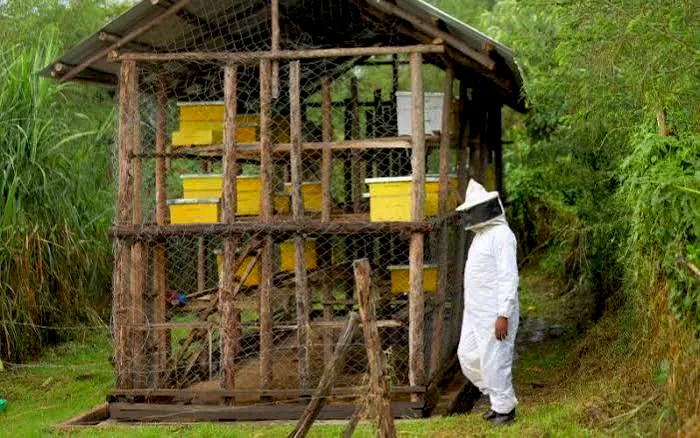
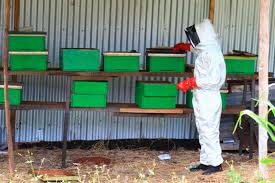
Many small-scale beekeepers around the world manage between 5 to 20 hives alongside full-time employment.
For example:
- A teacher maintaining hives during weekends and school holidays
- A farmer integrating bees alongside crop farming for improved pollination
- An urban beekeeper managing rooftop hives in a city environment
In all these cases, beekeeping becomes a flexible activity rather than a full-time occupation.
Benefits and Opportunities
Part-time beekeeping offers several advantages beyond honey production:
- Additional income from honey and wax
- Improved crop pollination in nearby farms or gardens
- Low daily maintenance compared to other livestock
- Opportunities for learning natural ecosystem management
It also provides a unique connection to environmental processes that many people rarely experience in modern life.
Challenges and Limitations
While flexible, part-time beekeeping is not without challenges:
- Seasonal workload peaks can be demanding
- Weather changes can affect hive health quickly
- Disease outbreaks require fast response
- Initial learning curve can be steep
Neglecting hives for too long can lead to colony loss, so even part-time management still requires consistency and attention during critical periods.
Common Misconceptions
Myth: Bees take care of themselves completely
While bees are self-sufficient in many ways, they still require monitoring for pests, diseases, and environmental stress.
Myth: Beekeeping is only profitable as a full-time job
Many small-scale beekeepers earn meaningful supplementary income without turning it into a full-time career.
Myth: You must own large land areas
Bees can be kept in small spaces, including urban rooftops and gardens, depending on local regulations.
Future Trends and Opportunities
Part-time beekeeping is becoming more common as urban agriculture grows. Technology such as smart hive sensors and mobile monitoring tools is making it easier to track hive conditions without frequent physical inspections.
As awareness of pollinator importance increases, more communities are also supporting small-scale beekeeping initiatives in both rural and urban environments.
Conclusion
Beekeeping does not have to be a full-time commitment. With proper knowledge, planning, and seasonal attention, it can fit into part-time schedules while still providing meaningful environmental and economic value.
Rather than requiring constant involvement, beekeeping rewards consistency, observation, and respect for natural cycles.