
In March, the clouds build over the hills, and every beekeeper across East Africa starts watching the sky. The rain is coming, and so is the flowering that feeds the bees. But the rain is only one part of the story. What you do before, during and after each season decides whether your colonies thrive, run away or starve.
This guide walks you through the year, season by season. It uses Kenya's pattern as the example, with notes for other parts of Africa. You will also learn the best times to harvest honey, wax and other hive products.
In much of East Africa, the year runs in four rough stages. Exact dates change from place to place, so use this as a guide and learn your own area's pattern.
Kenya has two main honey flow seasons that follow the rains: the long rains from March to May and the short rains from October to December. Research also shows that bees in Kenya are usually most active from about April to December, while plants are flowering.
Season | Rough months | What the bees are doing | Your main job |
|---|---|---|---|
Long rains | March to May | Flowers bloom, colonies grow fast | Prepare, protect from damp, watch for swarming |
Cool dry spell | June to September | Honey flow ends, nectar slows | Main honey harvest, check stores |
Short rains | October to December | Second flowering, another honey flow | Add space, catch swarms, harvest after flowers fade |
Hot dry spell | January to February | Little food, high heat | Water, shade, feeding if needed, harvest with care |
The Long Rains (March to May)
What happens. The rains bring new leaves and flowers. The queen lays more eggs, and the colony grows quickly to take advantage of the coming nectar. Tropical bees do most of their brood rearing after the main rains, when the flowers begin to bloom.
Your job:
Get ready early. Before the rains start, repair hives, clean them and check for cracks. A leaking roof can ruin a colony.
Keep hives dry. Training guides from KALRO, Kenya's agricultural research body, advise keeping hives dry where rains are heavy and giving them good ventilation. Raise hives off the ground and make sure the roof sheds water well.
Watch for heavy downpours. Very heavy rain keeps bees indoors, because they cannot forage. If it lasts long, stores can run low, so check your colonies and feed any that run short.
Give space. When the flow begins, bees fill the combs quickly. A crowded hive is more likely to swarm, so make room for them to store honey.
Do not rush to harvest. Honey is still being made, and much of it is not ripe yet.
The Cool Dry Spell (June to September)
What happens. The rains stop and the flowers begin to drop. This is when bees finish capping the honey they collected.
Your job:
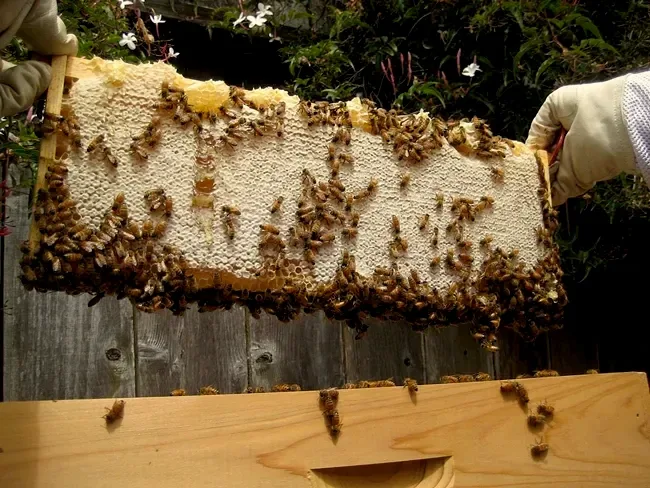
Harvest honey. This is one of your best harvest windows. A good rule from experienced beekeepers is that when most of the flowers drop, the bees have capped most of their honey.
Check for ripeness. Only harvest combs that are at least two-thirds capped with wax. That is a sign the honey has reached the right moisture level, below about 20 percent. Unripe honey ferments easily and sells poorly.
Harvest gently. Use smoke lightly, work calmly, and never take everything. Leave enough honey for the bees to live on.
Collect wax and propolis at the same time. While you have the hive open, save the cappings and clean comb for wax, and scrape propolis off the bars and hive walls. Store both clean and dry.
Reduce hive space after harvest. Smaller space is easier for the colony to protect and keep clean, and it lowers the risk of pests.
The Short Rains (October to December)
What happens. The second rains bring a second flowering. Colonies grow again, and this is also a busy swarming time. Tropical bees have two main swarming seasons, around December to February and June to November, which is when you can catch new colonies by placing empty hives or catcher boxes.
Your job:
Place catcher boxes. Smear the inside with a little beeswax and set empty hives in good spots. A free swarm is a free colony.
Add space so crowded colonies do not leave.
Watch the flowers. As the bloom ends, honey will be capped and ready.
Harvest after flowers fade, especially in areas with big crops like coffee or sunflower.
Plan for the dry months ahead. Before the next dry spell, make sure colonies are strong and have stores.
Do not wait too long. Windy nights and the first rains can push bees to move on, taking honey with them.
The Hot Dry Spell (January to February)
What happens. This is the hardest time for the bees. There is little nectar, the sun is hot and water is scarce. A long dry season is a real challenge, because the lack of flowers leads bees to eat their stored honey quickly, and some colonies leave in search of better places. Researchers in Kenya describe this as a seasonal movement that many African bee colonies make, when part or all of a colony leaves the hive and heads for greener areas.
Your job:
Give water. A study of 589 Kenyan beekeepers found that supplying water to colonies reduced colony losses by up to 10 percent in the dry and hot season. Place a shallow dish with stones or floating sticks near the apiary, and refill it often.
Provide shade. Put hives under trees or build a simple shade roof so the heat does not stress the colony.
Feed if you must. If a colony runs short, feed it with sugar syrup. This helps stop absconding. Do not feed during a honey flow, and never mix syrup-fed stores into honey meant for sale.
Leave honey for the bees. Over-harvesting is one of the main causes of absconding. A colony with enough reserves can handle dry weeks much better.
Plant for the future. Trees and flowering plants that bloom in the dry months give bees food when they need it most.
Consider moving hives. Some beekeepers move colonies to areas with better forage during dry periods.
When Is the Best Time to Harvest?
Here is a simple summary.
Honey. Harvest in the dry spells that follow the rains, usually from June to September and from November to March, depending on your area. Look for capped combs, and use the flowers as your guide. When the blooms fade, it is time to check. Experienced Kenyan beekeepers also say that harvesting at night or early in the morning, when bees are calmer, makes the work easier.
Beeswax. Collect it at honey harvest, when you have fresh cappings and clean comb. Clean it right away, before it gets mixed with dirt or old comb.
Propolis. Scrape it during hive inspections and harvests, and store it in an airtight container away from sunlight.
Pollen and other products. Pollen is usually most plentiful soon after the rains, when flowers are in full bloom. Plan your collection around the flowering periods in your area.
Two cautions. First, never harvest unripe honey. Second, do not take everything. A hive stripped bare is a hive likely to leave.
What About Other Parts of Africa?
The pattern changes across the continent. In West Africa, for example, honey harvesting often begins in the latter part of October and can continue until June. The lesson is the same everywhere: learn your local flowering calendar, and plan around it.
Keep a Simple Hive Diary
One of the best habits you can build is writing things down. Note the date, the weather, which plants are flowering, how heavy the hives feel and what you harvested. After two or three years, you will have your own local calendar that is more accurate than any general guide.
Work with Us.
At Horizon Bee Africa, we work with beekeepers at every stage.
Beginners: We partner with people who want to start beekeeping, train them, and provide a market for their produce.
Honey producers: If you want to scale up beyond honey, we can work with you to produce more beeswax and other bee products.
Training and production: We train beekeepers in harvesting and processing, and work with them on quality production.
Buying: We buy cleaned beeswax in bulk, and propolis too.
Planning your harvest around the seasons helps you deliver clean, good-quality products when buyers need them. Get in touch to see how we can work together.
https://horizonbeeafrica.com/contact
Final Word
Bees follow the seasons, and the best beekeepers learn to follow with them. Prepare in the long rains, harvest in the dry spells, catch swarms in the short rains, and protect your bees when the heat bites. Do that, and every season works for you.
Comments
0 comments