
Introduction
Inside every honeybee colony, the queen plays a role that quietly determines the future of the entire hive. She is responsible for laying eggs, maintaining colony population, and keeping the social structure stable.
But like any living organism, a queen bee does not remain at peak performance forever. Over time, her egg-laying ability declines, and this directly affects the strength of the colony.
This raises a practical question many beekeepers eventually face: how often should a queen be replaced?
Why Queen Replacement Matters
A strong queen ensures a productive hive. When she begins to weaken, the entire colony can show signs of decline—fewer bees, uneven brood patterns, and reduced honey production.
Queen replacement is not about interruption; it is about maintaining stability. A healthy queen keeps the colony balanced, active, and better able to respond to environmental changes.
How Often Should a Queen Be Replaced?
In most managed beekeeping systems, queens are typically replaced every 1 to 3 years.
However, this is not a strict rule. The timing depends on several factors:
- Genetic quality of the queen
- Environmental conditions
- Hive productivity levels
- Disease or stress exposure
- Beekeeping goals (honey production vs. colony expansion)
Some highly productive queens may perform well into their third year, while others may need replacement earlier if performance drops.
Signs a Queen May Need Replacement
Rather than relying only on age, beekeepers often observe hive behavior and brood patterns.
Common signs include:
- Irregular or patchy brood patterns
- Decline in colony population
- Increased swarming behavior
- Reduced egg-laying activity
- More drone-heavy brood areas
These indicators often signal that the queen is no longer maintaining optimal colony performance.
How Queen Replacement Happens
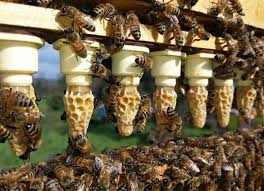
Queen replacement can occur naturally or through beekeeper intervention.
- Natural replacement (supersedure): The colony replaces the queen on its own when it senses decline.
- Managed replacement: Beekeepers introduce a new queen to maintain productivity and control genetics.
Both processes aim to ensure continuity of the colony, although managed replacement gives more control over timing and outcomes.
Common Misconceptions
Myth: Queens live and perform well indefinitely
In reality, a queen’s productivity naturally declines over time, even under ideal conditions.
Myth: Replacing a queen harms the hive
When done correctly, queen replacement can strengthen the colony rather than weaken it.
Myth: Only failing hives need queen replacement
Even strong hives benefit from periodic queen replacement to maintain peak performance.
Practical Considerations
Timing matters. Many beekeepers prefer replacing queens during seasons when nectar flow is stable and colony conditions are favorable.
Careful monitoring of brood patterns and colony behavior helps determine the best time for intervention.
Conclusion
Queen replacement is a natural part of hive management rather than a sign of failure. By understanding how queen performance changes over time, beekeepers can maintain healthier, more productive colonies.
In the end, a strong hive depends not just on bees, but on the quiet continuity of leadership within it.
Comments
0 comments