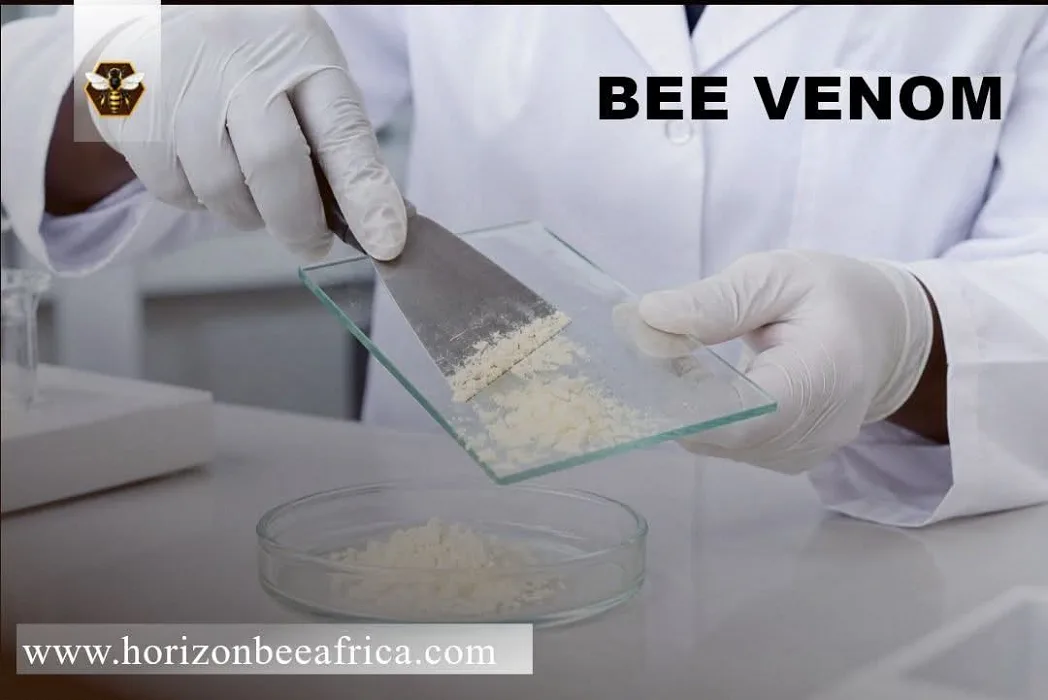
Bee venom is one of the most interesting products we can obtain from honeybees. While bees mainly produce and use venom as part of their natural defense system, researchers and industries have developed a growing interest in its unique properties.
But here’s the important part: working with bee venom is not something to approach casually.
Unlike harvesting honey or beeswax, venom collection involves interacting with the bees' natural defensive behavior. That means the beekeeper needs the right equipment, knowledge, preparation, and most importantly, respect for the bees.
Why Safety Matters
Bee venom contains biologically active compounds that can cause anything from temporary discomfort to serious allergic reactions in sensitive individuals.
At the same time, poor handling practices can unnecessarily stress a colony.
So, when it comes to venom collection, there are really two things to protect:
The person doing the work
The health and wellbeing of the bee colony
Good venom collection should never be about simply getting as much venom as possible. It should be about collecting responsibly while maintaining healthy colonies and safe working conditions.
Understanding the Bees' Behavior
Before working with bee venom, it helps to understand what is happening inside the hive.
Honeybees release venom primarily as part of their defensive response. When they sense a threat, the colony can become more alert and defensive.
This means venom collection may produce a very different response from a normal hive inspection.
Pay attention to the bees.
If the colony becomes unusually aggressive or the situation starts becoming difficult to manage, it may be better to pause rather than force the process.
Weather, colony strength, time of day, and the general condition of the colony can all influence bee behavior. A calm beekeeper working under suitable conditions is much more likely to have a smooth experience.
Protective Equipment Is Not Optional
One of the simplest ways to improve safety is to use the right protective equipment.
Depending on the method and working conditions, this may include:
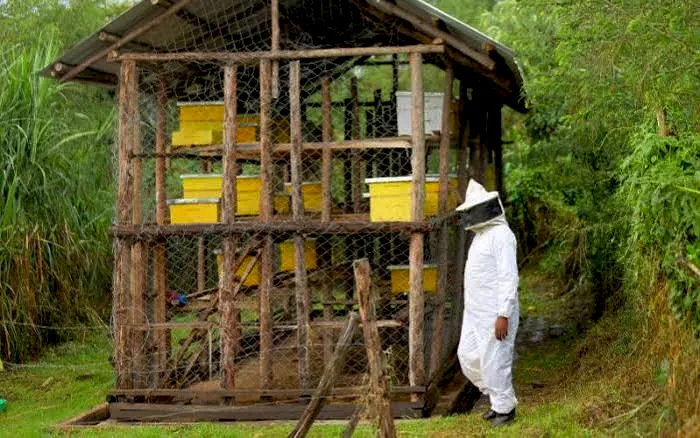
A proper beekeeping suit or protective clothing
A well-fitted veil to protect the face and neck
Suitable gloves
Protective footwear
The purpose of protective equipment is not to make someone invincible around bees. Instead, it provides an important layer of protection and allows the beekeeper to work with greater confidence.
And confidence matters. A beekeeper who is calm and properly prepared is generally better positioned to respond when the colony changes behavior.
Keep the Working Area Under Control
A safe venom collection process starts before you even approach the hive.
Keep your equipment clean, organized, and in good working condition. Make sure there is enough space to move around the apiary without unnecessary obstacles.
It is also important to consider the weather. Working under difficult environmental conditions can make an already sensitive activity more challenging.
During the process:
Avoid unnecessary disturbance to the colony.
Keep equipment organized and accessible.
Maintain clear movement around the hive.
Keep observing the bees throughout the activity.
Stop or reassess if conditions become unsafe.
Sometimes, the safest decision a beekeeper can make is simply to pause.
Common Mistakes and Misconceptions
There are a few things that new venom collectors should keep in mind.
"Protective clothing means I can't get stung."
Not quite.
Protective clothing significantly reduces exposure, but it does not replace proper handling skills. A beekeeper still needs to understand bee behavior and work carefully.
"The more aggressive the bees become, the more venom we'll collect."
This is another misconception.
A highly stressed colony is not a sign of a successful operation. Excessive disturbance can affect the wellbeing of the bees and make the working environment more dangerous.
The goal should be controlled and responsible collection, not deliberately creating unnecessary stress.
Rushing the process
When people are in a hurry, mistakes happen.
Moving too quickly, mishandling equipment, or ignoring changes in bee behavior can increase the risk of stings and accidents.
Take your time and remain observant.
Ignoring personal sensitivity
People do not all react to bee venom in the same way.
Someone who has previously experienced a serious reaction to bee stings or venom should take appropriate medical precautions and seek professional medical advice before participating in venom collection.
Knowing your own limits is part of being a responsible beekeeper.
Healthy Bees Come First
There is one principle that should never be forgotten:
You cannot build a sustainable bee venom business on unhealthy colonies.
Before and during collection, responsible beekeepers should pay attention to the condition of their colonies, including:
Colony strength
Food availability
Seasonal conditions
Hive health
General bee behavior
The long-term value of venom collection depends on maintaining productive and healthy colonies.
A short-term collection target should never come at the expense of the colony's long-term wellbeing.
Where Is Bee Venom Collection Heading?
Bee venom collection is becoming an increasingly specialized area of beekeeping.
As interest grows, equipment developers and researchers are exploring better ways to improve collection, handling, quality control, and monitoring while reducing unnecessary disturbance to the bees.
This is important because the future of bee venom collection is not simply about collecting more.
It is about finding better ways to combine beekeeper safety, bee welfare, product quality, and responsible production.
Final Thoughts
Bee venom collection requires a different mindset from ordinary honey harvesting.
You are working directly with one of the colony's natural defense mechanisms, so knowledge, preparation, and respect for the bees are essential.
The best results are not measured only by how much venom is collected.
They are measured by whether the beekeeper can maintain healthy colonies, safe working conditions, consistent product quality, and sustainable practices over the long term.
After all, healthy bees are the foundation of every successful beekeeping venture.
Comments
0 comments