
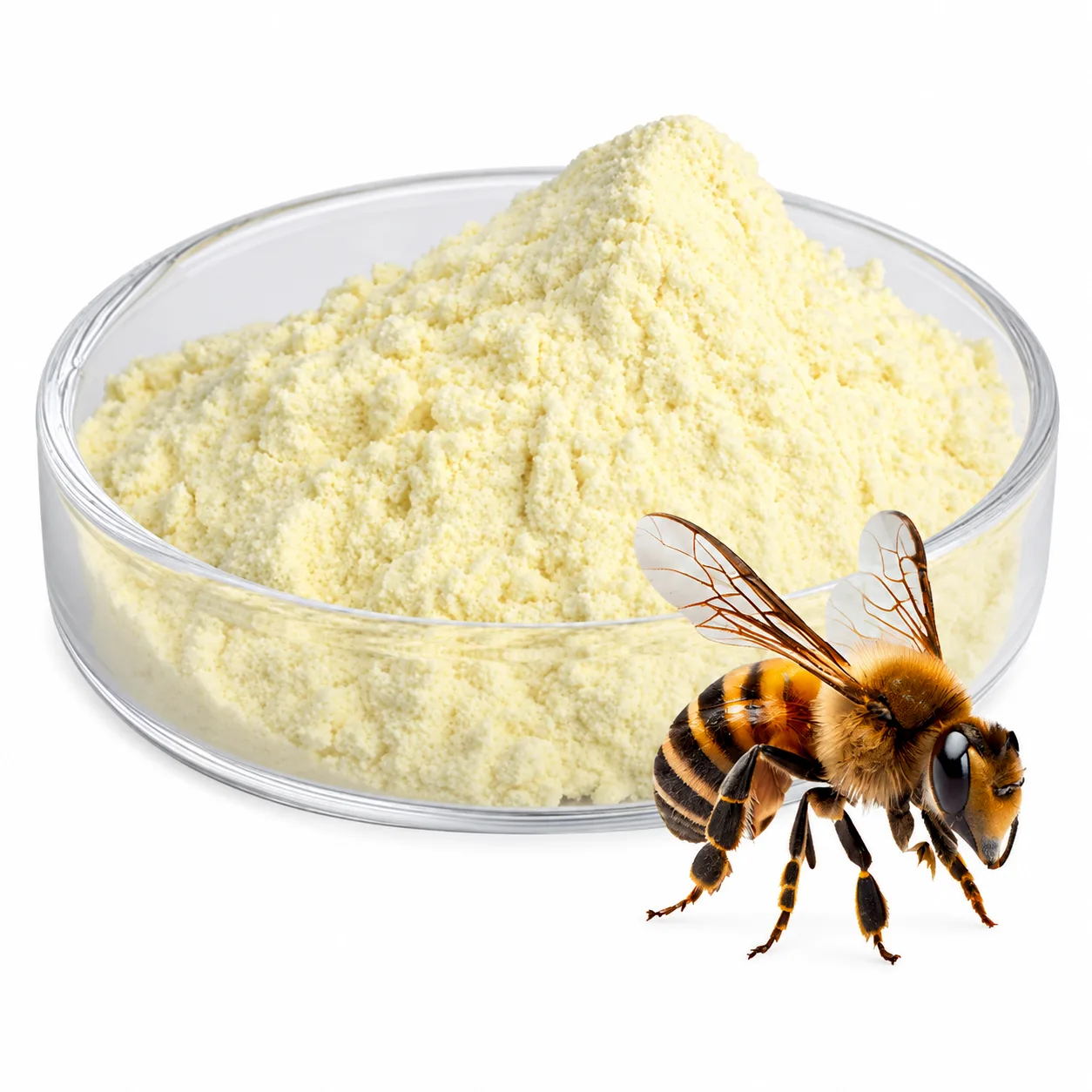
To store bee venom properly, let it dry fully on the glass, scrape it off with clean tools, seal it airtight in a dark container, and keep it cool in a fridge, a freezer or a cooler box. Where there is no refrigeration, a tightly sealed vial kept in a container of dry rice can hold its quality for up to about three months.
Collecting the venom is only half the job. Venom can be ruined after the harvest by damp, heat, dirt or careless handling, and buyers notice. This guide takes you from the glass plate to a clean, well-labelled product that buyers are happy to accept.
Why Quality Decides Everything
Bee venom is valuable because of its active compounds, and these can be damaged by heat, moisture and contamination. Buyers do not pay for weight alone. They pay for pure, clean, well-handled venom. Two producers can collect the same amount, and one batch is accepted while the other is rejected, simply because of what happened after the collection.
There is no single international quality standard for bee venom, so buyers usually set their own requirements, and many test samples in a laboratory. That makes clean habits from the very first step so important.
Step 1: Let the Venom Dry on the Glass
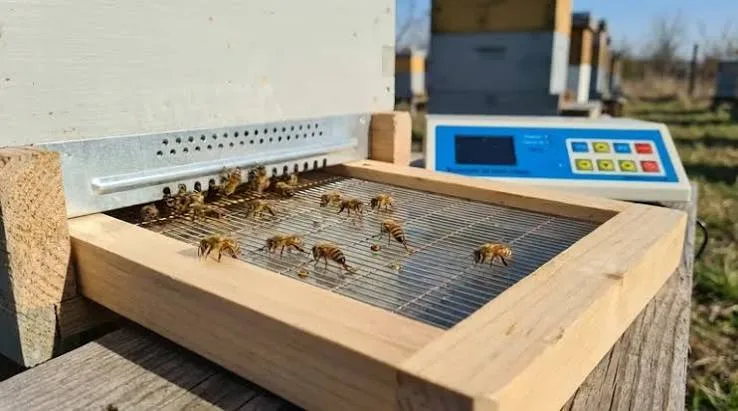
Bee venom dries quickly on the glass plate in ordinary warm, dry air. Let it dry completely before you touch it.
Keep the screens somewhere clean and shaded while they dry, away from dust, insects and direct sun.
Keep them out of the wind and damp. Dust and moisture are the two biggest threats at this stage.
Do not use heat to speed things up. Heat can damage the venom, and it is not needed.
Do not scrape until it is fully dry. Damp venom smears and clumps, and it traps moisture in the container later.
Step 2: Scrape the Venom Carefully
Once it is completely dry, the venom can be scraped from the glass.
Protect yourself. Dry venom is potent. Wear gloves, a face mask and eye protection, because fine dust can irritate the nose, throat and eyes and may cause an allergic reaction in some people.
Use a clean, dry scraper reserved for this job.
Work in a clean, dry, still room. Avoid fans and open windows that blow dust in.
Never use bare hands, and never eat, drink or smoke where you handle venom.
Scrape only venom. Keep wax, propolis and debris off the glass, and do not scrape them in with your product.
Step 3: Pack It Right Away
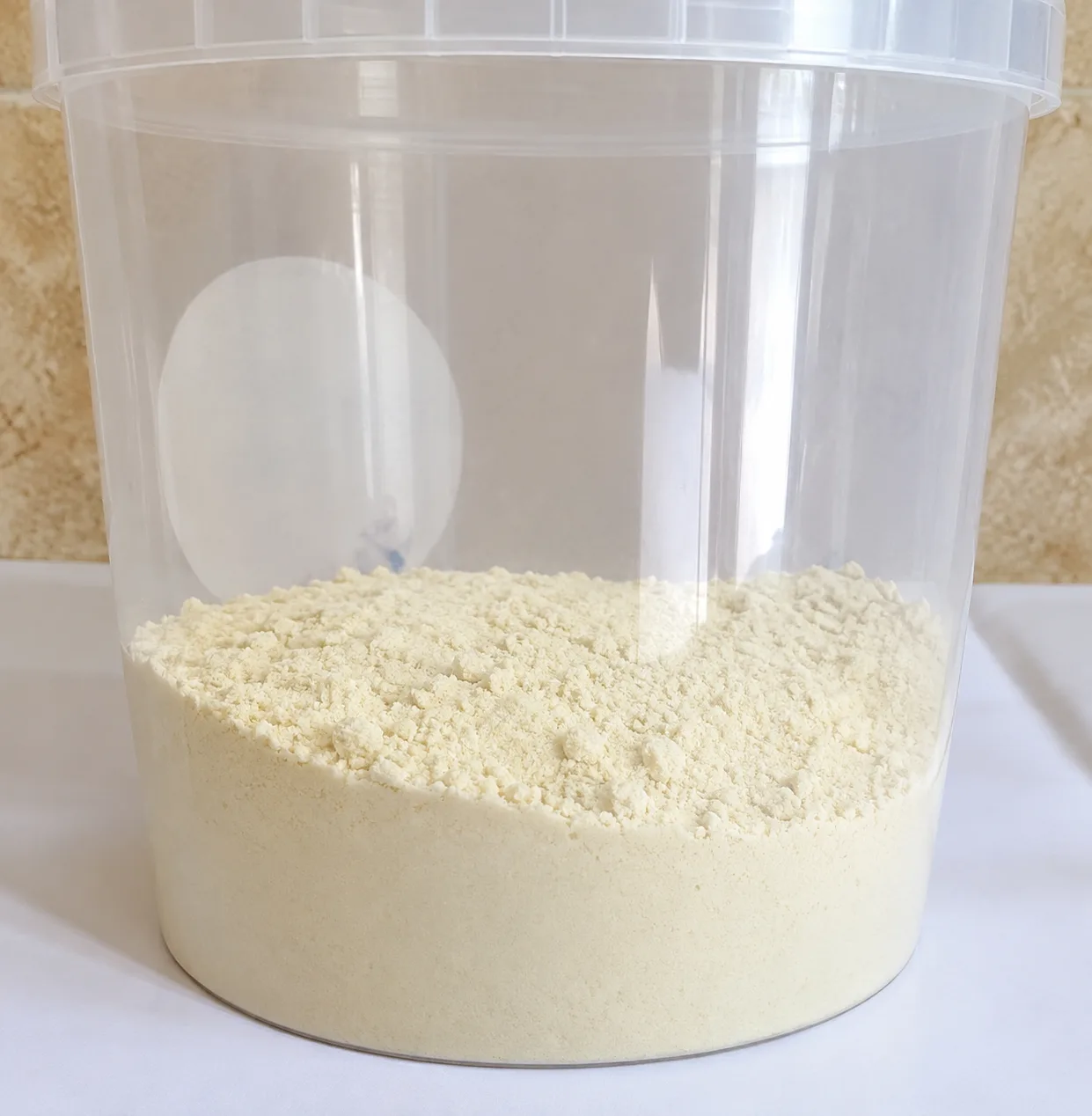
Pack the venom soon after scraping, so it does not absorb moisture from the air.
Use a clean, dry, airtight container. A small glass vial with a tight lid works well.
Choose a dark or amber container, or wrap the vial, to keep light off the venom.
Fill the container as full as practical, so there is little air inside.
Label every container with the date, the apiary or hive group, a batch number and the weight.
Weigh on a clean, accurate scale, and record the weight.
How to Store Bee Venom
Three things damage venom in storage: heat, light and moisture. Venom also pulls moisture from the air, so a dry, sealed container matters as much as the temperature.
1. Fridge or freezer (best). A fridge, at roughly 4°C, is a good option for keeping venom before it is sold. A freezer is better for longer storage. In both cases keep the venom sealed and dark.
When you take a vial out, let it warm to room temperature before you open it. Opening a cold vial lets damp air condense inside.
2. Cooler box (for short-term storage and transport). A cooler box with ice packs keeps venom cool when you have no fridge or are travelling to a buyer.
Keep the vials sealed in a bag so they never touch melting ice or water.
Keep the box shaded, closed and out of the sun.
3. Dry rice (a local option for beekeepers without a fridge). Many local beekeepers keep the sealed vial buried in a jar or container of dry, uncooked rice. The dry rice helps absorb stray moisture, and the container keeps the venom cool and dark.
Stored this way, venom can keep its quality for up to about three months, after which it can start to lose quality.
Treat three months as a limit, not a target. Sell or move the venom to cold storage before then.
The vial must be sealed tightly first. The rice only helps keep the surroundings dry.
Keep the container in a cool, dark place, away from heat and out of reach of children.
What to avoid: heat, direct sunlight, damp places, open containers, and storing venom in a hot room or vehicle.
Hygiene and Handling Rules
Clean habits protect your product, and they protect you.
Wash hands and wear clean gloves each time.
Keep tools, containers and the work surface clean and dry.
Use a dedicated space away from food, dust and animals.
Cover your hair, and wear a mask.
Never mix venom from a clean batch with venom you are unsure about.
Keep venom away from children, and store it where nobody can open it by accident.
Seek medical help immediately if anyone has a severe reaction, such as difficulty breathing, swelling of the face or collapse.
What to Look at While Harvesting
Pure venom starts at the hive, not in the storeroom. While you collect, keep these in mind:
Clean glass. Start every session with a clean, dry glass plate in a clean screen.
Avoid pollen and nectar. Contamination from pollen, nectar and honey is a common reason for poor venom, and it adds sugar that lowers quality. This is one reason we recommend collecting in the evening, when the bees are settled and have unloaded most of their pollen.
Keep wax and propolis off the glass.
Watch for bee droppings, parts and debris on the plate.
Avoid damp. Do not collect in rain or heavy dew, and never let the screen get wet.
Record each batch: date, apiary, hives, weather and weight.
Why Buyers Reject Bee Venom
Know these, and you can avoid most rejections:
Visible contamination: wax, propolis, pollen, honey, bee parts, dust, hair or other debris.
Moisture: damp, clumpy, sticky or mouldy venom.
Discolouration or a bad smell: a sign of heat, age, damp or poor handling.
Low purity in a laboratory test: many buyers test the level of the main active compound. Contamination and poor storage can lower it.
Mixing or adulteration: adding another powder, or mixing good and bad batches.
Poor packaging: open, unclean or transparent containers, or damaged seals.
No labels or records: buyers want to know where each batch came from and when it was collected.
Signs of heat exposure during storage or transport.
Inconsistent weights or batches that do not match what was agreed.
Transport and Distribution
When your venom goes to a buyer:
Keep it sealed, labelled and cool the whole way, in a cooler box if needed.
Do not leave it in a hot vehicle or in the sun.
Hand it over with your batch records.
Deliver on time, and keep your own record of what you sent.
Frequently Asked Questions
How do you store bee venom?
Dry it completely, seal it in an airtight, dark container, and keep it cool in a fridge, a freezer or a cooler box.
Can bee venom be stored in rice?
Yes, as a local option. A tightly sealed vial kept in dry rice can hold its quality for up to about three months.
How long does bee venom last?
It depends on how it is dried, sealed and stored. Cold, dark, dry storage keeps quality for longer than storage at room temperature.
Should bee venom be kept in the fridge or freezer?
A fridge is good for short-term storage, and a freezer for longer. Let the vial warm up before opening it.
Why is my venom clumping?
Usually it has taken in moisture, or was not fully dry when scraped. Dry, sealed storage helps prevent this.
Can I touch dry bee venom?
Do not touch it with bare hands. Use gloves, a mask and eye protection.
What makes buyers reject bee venom?
Contamination, moisture, poor storage, low purity, missing labels and records, and mixed batches.
Bee venom is a potent substance. Handle it only with full protective gear, and keep it away from children. Seek medical help immediately for any severe allergic reaction.

Comments
0 comments