
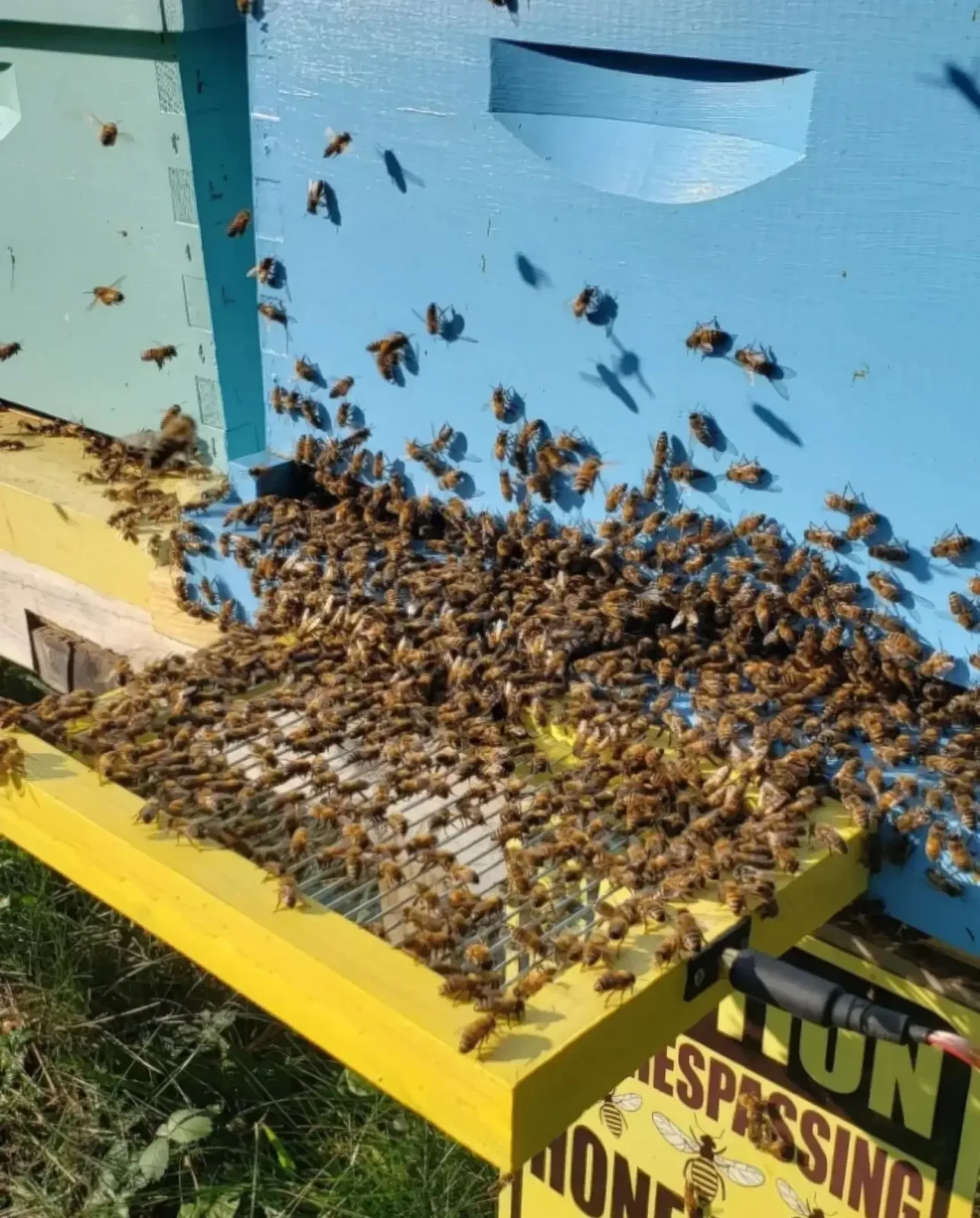
You can collect bee venom from a hive about once a week, or four times a month, starting roughly three months after a colony settles in. Each session lasts about 30 minutes, and the colony needs time between sessions to refill its venom and stay strong. This guide sets out a simple bee venom collection schedule, shows how the bees recover, and explains how to store venom so it keeps its strength.
When Can You Start Collecting?
Do not rush a new colony. After bees move into a hive, give them time to settle, build comb and grow. About three months is a good guide.
By then, a healthy colony has plenty of young bees and brood. For best results, wait until the colony is mature and producing honey. A strong colony gives better venom and handles the work far more easily than a weak one. If a colony is still small, or struggling with food, water or pests, give it more time.
How Often Can You Collect?
Once a week, so four times a month, is a safe rhythm for a strong colony.
Here is why:
Bees refill their venom reserves over a few days. A weekly rhythm gives them time to restock.
Venom comes out fastest early on. The release peaks in the first 30 minutes and then falls away, so a short session gets most of what a long one would, with less stress.
Pushing harder costs you. Collecting every day, or every few days for weeks, has been shown to reduce honey production and the number of bees in a colony. Over-collecting costs more than it earns.
Use the weekly rhythm as a ceiling, not a target. If a colony looks tired, skip a week.
How Do Bees Recover After Collection?
Collection is a short stress, not an injury. After the session:
The bees calm down within hours once the screen comes off, and go back to foraging and caring for the brood.
They rebuild their venom reserves over the next few days.
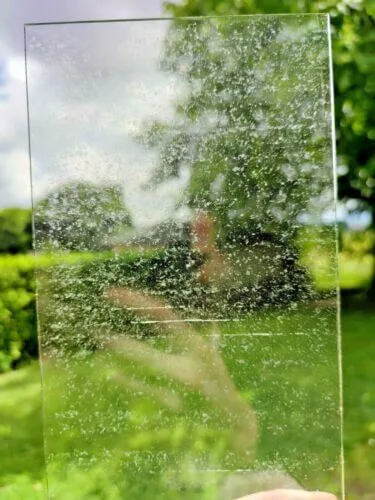
Since the bees sting glass, they keep their stingers and survive, so the workforce is not lost.
Strong, well-fed colonies bounce back faster. A few things help them recover:
Good food, water and shade
Enough space in the hive
A clean apiary free of pests
A rest week whenever the colony looks stressed
Choose the Right Season and Time
Collect in the productive season, when flowers are plentiful and colonies are strong.
Avoid lean, dry periods, when bees are already under strain.
Pick calm, dry weather.
Collect in the evening if your apiary is near people or livestock, since all the bees are home and settled.
How to Store Bee Venom So It Keeps Its Strength
Collecting is only half the job. Venom is a delicate product, and heat, moisture, light and air weaken it.
If it is stored badly, in a warm, damp, open or bright place, it can start to lose its strength in about three months.
If it is stored well, it lasts far longer:
Seal it airtight in a clean, dark container
Keep it dry and out of the light
Store it in a fridge, where it can hold its strength for about one to three years. A freezer is even better for the longest storage
Let it warm to room temperature before opening the container, so damp air does not condense inside
Label every batch with the date, apiary and weight
Bee Venom: What Else Should You Know?
Uses and research. Bee venom is used in research, and in some cosmetics, supplements and wellness products. Scientists are studying its properties, but the research is still developing, and venom should never be sold with promises of cures. Always be honest and factual in what you tell buyers.
Safety. Bee venom can cause serious allergic reactions. Wear full protective gear, keep venom away from children, and never let anyone with a history of strong reactions handle it. Seek medical help straight away for any severe reaction.
Quality is everything. Buyers pay for clean, pure venom, free of wax, pollen, debris and moisture. Many test samples in a laboratory. Careful collection, drying and storage protect the price.
Yields vary. The amount you collect depends on colony strength, season, bee type and your method. Keep a record for every hive, with the date, weather and weight, so you know your real numbers. Your own records are the best guide for planning.
The business side. Kenyan buyers pay roughly KSh 1,000 to KSh 6,000 per gram depending on quality (an estimate that changes with the market). Venom sells by the gram, so every careful batch counts. A bigger apiary of 50 hives or more, with a steady routine, supplies buyers more consistently, and consistent supply is what builds long-term relationships.
Rules and permits. Check what permits or standards apply before you produce and sell venom, especially if you plan to export.
Quick Questions
How often can you collect bee venom from one hive?
About once a week, or four times a month, for a strong colony.
When can I collect from a new colony?
About three months after it settles, once it is strong, mature and producing honey.
How long does a session take?
About 30 minutes.
Does it harm the bees?
Done properly, no. The bees sting glass, keep their stingers and recover within days.
How long does stored venom last?
Around three months if poorly stored, and about one to three years in a fridge when sealed, dry and dark.
Can I collect every day?
No. Over-collecting reduces honey and bee numbers.
Start Your Venom Business with Support
We train beekeepers, guide them on collection equipment and provide a market for bee venom. If you would like to build a venom apiary with the right schedule from day one, talk to us here: https://horizonbeeafrica.com/contact
Comments
0 comments