
Long before there were pharmacies, people were already reaching for the beehive. Honey went on wounds, propolis went on sore gums, and bee products were eaten for strength. Today this old practice has a name: apitherapy.
The word comes from apis, the Latin word for bee. Apitherapy means using products from the hive to support health. It is popular in many parts of the world, including Africa, where honey and hive products have long been part of home care. But how much of it is proven, and how much is just tradition? This guide explains what each product is, how it is used, and what you should know before trying it.
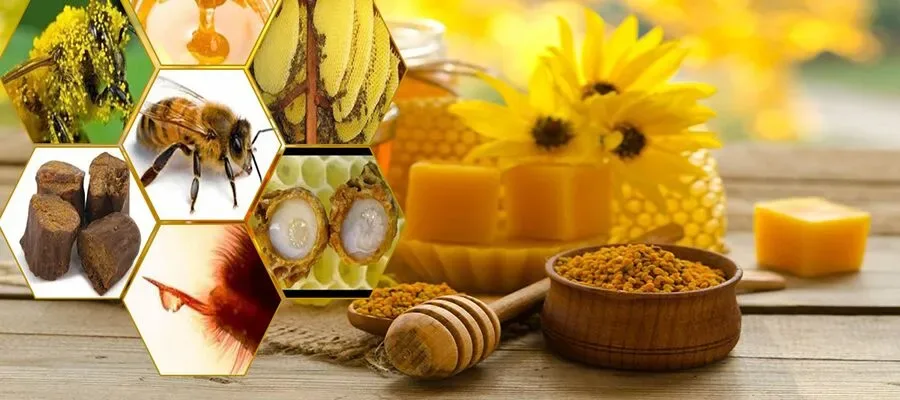
The Five Main Apitherapy Products
1. Honey
What it is. The sweet food bees make from flower nectar.
What it is used for.
Wound and burn care. This is where honey has the strongest support. Medical-grade honey, which is specially processed and tested, is used on dressings for burns and some hard-to-heal wounds. Honey's natural properties help fight germs and keep the wound moist.
Coughs. Honey is a common home remedy for coughs and sore throats, and it is better supported than most cough syrups for children over one year old.
Energy and nutrition. It is a natural source of sugars and a small amount of antioxidants.
Good to know. Never give honey to babies under 12 months old. It can carry bacteria that cause infant botulism, a serious illness. Also, medical-grade honey is not the same as the jar on the shop shelf, so do not use ordinary honey on a serious wound.
2. Propolis
What it is. A sticky resin bees collect from trees and plants and use to seal and protect the hive. It is often called "bee glue."
What it is used for. People use propolis in throat sprays, mouthwashes, tinctures, creams and lip care. It is valued for its natural germ-fighting and soothing qualities, and research continues into its effect on inflammation and the immune system.
Good to know. Propolis can cause skin reactions or allergies in some people, especially those who are sensitive to bee products or certain tree resins. Test a small amount first.
3. Bee Pollen
What it is. Tiny pellets of flower pollen that bees collect and pack on their legs. It is sold dried, as granules or in supplements.
What it is used for. People add bee pollen to food, smoothies and yoghurt as a nutritional supplement. It contains protein, vitamins, minerals and plant compounds.
Good to know. Bee pollen can trigger serious allergic reactions, particularly in people with hay fever, asthma or pollen allergies. Anyone trying it for the first time should start with a tiny amount. Buyers should also choose carefully, because some pollen-based supplements sold online have been found to be adulterated.
4. Royal Jelly
What it is. A creamy white food that young worker bees make to feed larvae and the queen. It is the reason a queen grows larger and lives much longer than a worker.
What it is used for. Royal jelly is sold as a supplement, in drinks, and in face creams and serums. It is promoted for energy, skin health and general wellbeing.
Good to know. The science on royal jelly is still early, and most strong results come from laboratory and animal work rather than large human trials. It can also cause allergic reactions, including asthma attacks and, in rare cases, severe reactions. People with asthma or allergies should be especially careful.
5. Bee Venom
What it is. The liquid bees inject when they sting. Its main active ingredient is a compound called melittin.
What it is used for. In bee venom therapy, people are stung deliberately, or given purified venom, in hopes of easing joint pain, arthritis and other conditions. It is also being studied in laboratories for its effects on inflammation and other health problems.
Good to know. This is the riskiest part of apitherapy. Bee venom can cause severe allergic reactions, including anaphylaxis, which can be fatal. Anyone who has ever reacted badly to a sting should avoid it completely. Even people who have never reacted before can develop a reaction later. Bee venom should never be tried at home, and only be used under proper medical supervision.
A Sixth Product: Beeswax
Beeswax is not eaten, but it plays a major role in apitherapy products. It is used in lip balms, salves and creams, where it protects the skin and locks in moisture.
What Does the Evidence Really Say?
Here is the honest picture:
Honey for burns and wounds, and for coughs in children: the best support.
Propolis, royal jelly and bee pollen: promising results in laboratory work and some human studies, but not enough large trials to call them proven treatments.
Bee venom: some interesting early results, but real safety concerns.
Claims that bee products can cure serious diseases such as cancer: these are not supported, and you should be wary of anyone who makes them.
In short, bee products can be useful additions to a healthy lifestyle, but they are not replacements for medical care.
Safety Tips Before You Try Any Bee Product
Check for allergies first. If you are allergic to bee stings, pollen or certain plants, speak to a doctor before using bee products.
Start small. Try one product at a time, in a tiny amount, and watch for reactions.
Never give honey to babies under one year.
Do not treat serious illness at home. See a health worker for persistent illness, deep wounds or severe burns.
Tell your doctor if you are pregnant, breastfeeding or taking regular medicine.
Buy from trusted sources. Look for clear labelling, cleanliness and honest claims.
Avoid products that promise miracle cures.
Why This Matters for Beekeepers
Every product in this article comes from the same hive. That is what makes apitherapy such an opportunity. A beekeeper who produces only honey earns from one product. One who also harvests clean propolis, beeswax and pollen can serve several markets, from food and wellness to cosmetics.
Quality matters most. Clean harvesting, careful storage and honest labelling protect your customers and your reputation. And because many health products depend on trust, beekeepers who can show where their products come from and how they were handled stand out.
Final Word
Apitherapy shows how much a beehive can offer. From a spoonful of honey to a cake of propolis, the hive gives us useful, natural products. The key is to use them wisely: enjoy what is well supported, be cautious with what is still being studied, and never take risks with your health. Treat bee products as a helpful friend, not a miracle cure.
This article is for general information only and is not medical advice. Please speak to a qualified health worker before using bee products for any health condition.


Comments
0 comments