Propolis is a promising natural product, not a proven immune booster. Lab and animal studies are encouraging, and some human trials suggest it can lower markers of inflammation, but we still need larger studies. If you are curious about propolis for immune support, here is what it can offer, what it cannot, and how to buy a good one.
What Is Propolis?
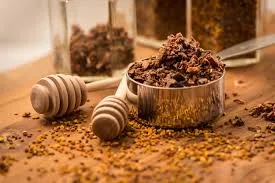
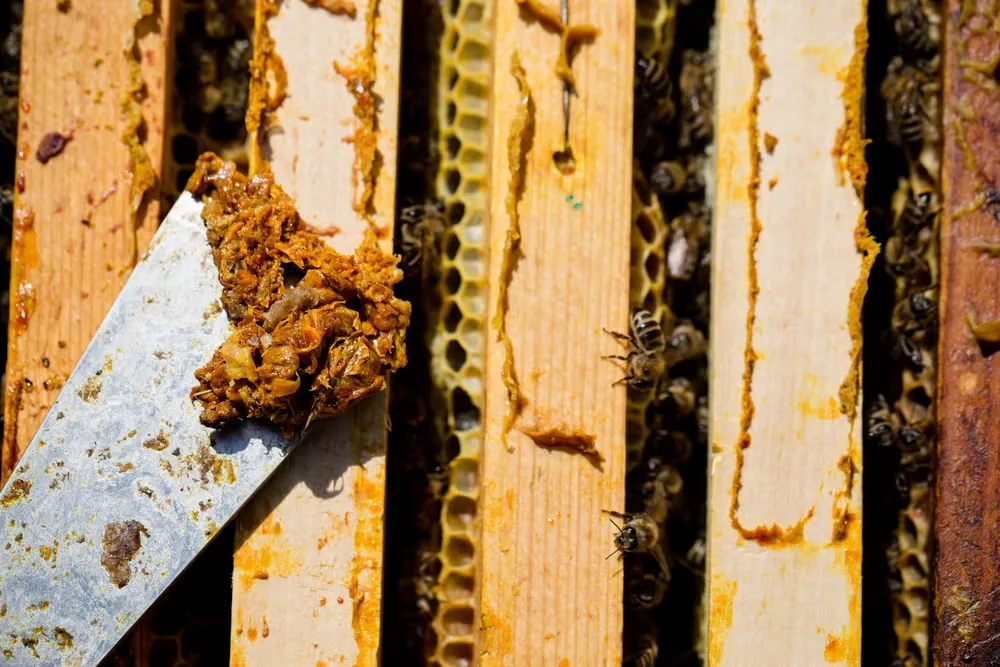
Propolis is a sticky resin that bees collect from trees and plants. They use it to seal cracks, narrow entrances and keep the hive clean. People have used it for centuries, and today it is sold as throat sprays, tinctures, capsules, lozenges and skincare.
Propolis for Immune Support: What Research Shows
It interacts with immune cells. In laboratory and animal work, propolis influences both the body’s fast, general defences and its more targeted ones. Researchers often describe it as an immune balancer rather than a simple booster.
It may reduce inflammation. A recent review of human trials found that propolis supplements appeared to lower markers of inflammation and oxidative stress.
It fights some germs in the lab. Propolis has shown antibacterial and antiviral effects in test conditions.
Its makeup varies. Propolis from different places and trees contains different compounds, so results from one study do not always apply to another product.
The honest limits: most strong results come from cells and animals. Human trials are fewer, smaller and use different doses, so no one can promise what propolis will do for you. It is not a cure or a replacement for medical care.
How People Use It
Throat sprays and lozenges for a scratchy throat
Tinctures and capsules as daily supplements
Creams and balms for skin care
Toothpaste and mouthwash for oral care
Who Should Be Careful?
Propolis can cause allergic reactions, especially in people who react to bee products, honey, pollen or certain tree resins. Take extra care if you:
Have asthma or known allergies
Are pregnant or breastfeeding
Take regular medication
Are buying for a young child
Start with a very small amount, and stop if you get itching, a rash or swelling. A qualified health professional can advise you.
What to Look for in a Good Product
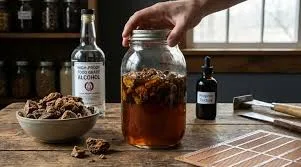
There is no single worldwide quality standard for propolis, so check the label:
Clear ingredients and source, including where the propolis comes from
How much propolis it contains, not just a vague “with propolis”
Batch number and date
No miracle claims. Avoid anything that promises to cure a disease
Clean, sealed packaging and sensible storage instructions
For Beekeepers: Quality Starts at the Hive
Good products start with clean raw propolis, free of wax, wood and debris. If you keep bees, a propolis trap and careful handling are your first steps to a better price.
Quick Questions
Does propolis really boost immunity?
It shows promise, but it is not proven. Think of it as a natural supplement, not a treatment.
Is propolis safe?
For most people, yes, but allergies are possible, so start small.
Can children take propolis?
Ask a health professional first.
How do I know a product is good?
Look for clear labelling, a named source, a stated propolis content and honest claims.
Work with Us
We offer beekeeper training and buy clean propolis. If you want to produce propolis for the market, get in touch: https://horizonbeeafrica.com/contact
For general information only. Please speak to a qualified health professional before using propolis for any health condition.



Comments
0 comments