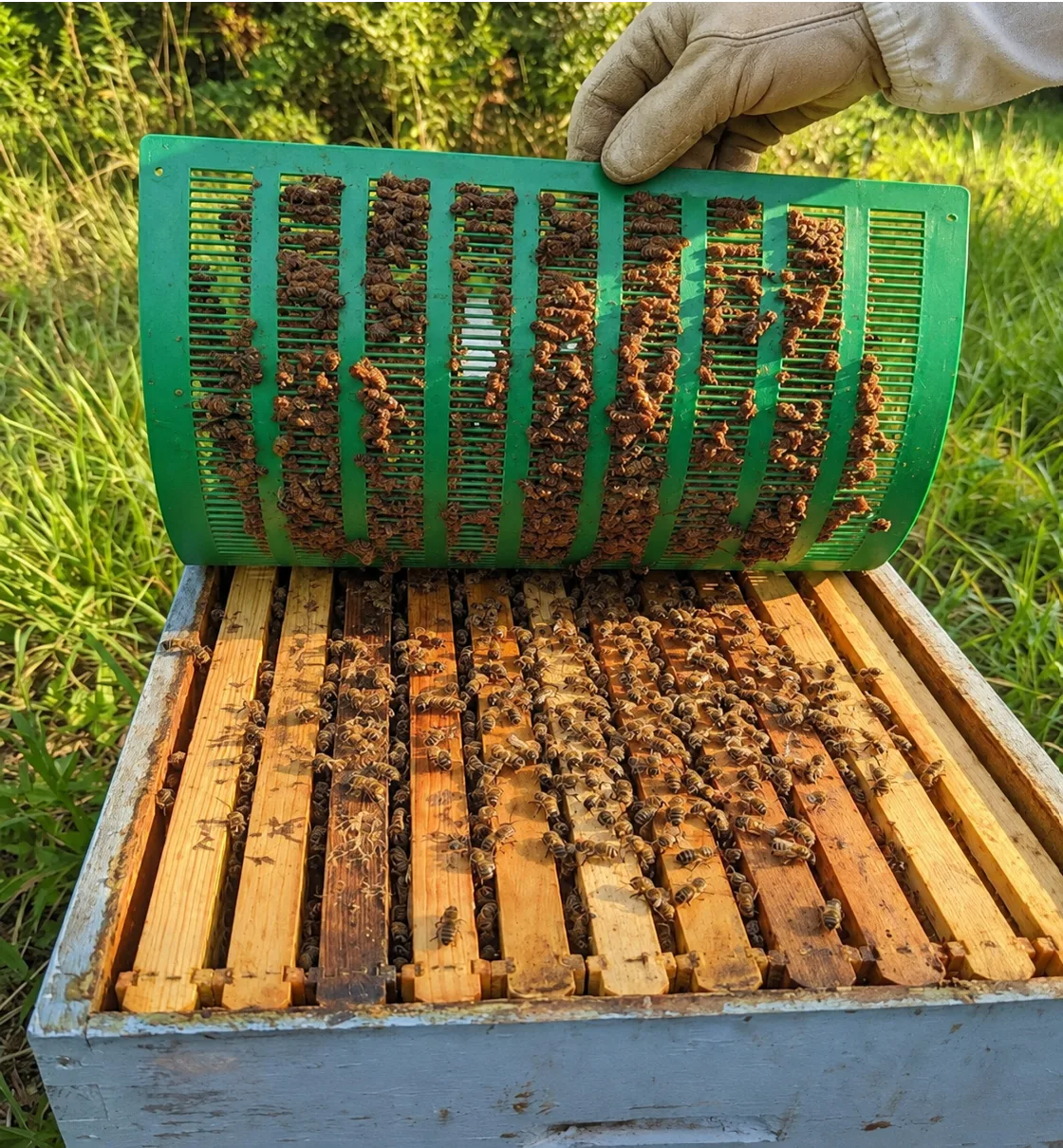
To harvest propolis, set a propolis trap on top of your hive, wait a few weeks while the bees fill its gaps, then freeze the trap and flex it so the propolis cracks out. That is the whole idea. It is a simple way to earn a second harvest from hives you already own, and this guide shows you how to do it.
What Is Propolis?
Propolis is the sticky, brownish resin that bees collect from trees and plants. They use it as hive glue, sealing cracks, narrowing entrances and keeping the home clean. For you, it is a bee product that people buy for health, skincare and many other uses.
The Propolis Collector
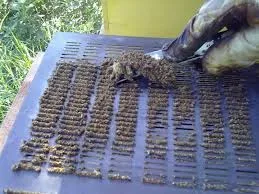
A propolis collector, usually called a trap, is a thin plastic or mesh mat with lots of small slits. It sits on top of the frames or top bars, under the roof. Bees see the narrow gaps as drafts in their home, so they rush to seal them with propolis. You do not have to coax them. It is their natural habit.
Where it goes: on top of the frames or bars, in place of the inner cover.
What it costs: traps sell in Kenya for roughly KSh 1,300 to KSh 1,700 each, and they are reusable for many seasons.
DIY option: some beekeepers make simple traps from fine mesh or slotted screens.
How Long Does It Take the Bees to Fill It?
Usually three to six weeks. In a strong flow with active colonies, it can be as quick as two to four weeks. Some tips:
Check the trap every two to three weeks.
Bees often fill it from the top down. If one half is full, turn the trap around so they finish the other half.
Warm, active months give the best results, because propolis is soft and sticky in the heat and bees collect it freely.
How to Harvest Propolis in 4 Simple Steps
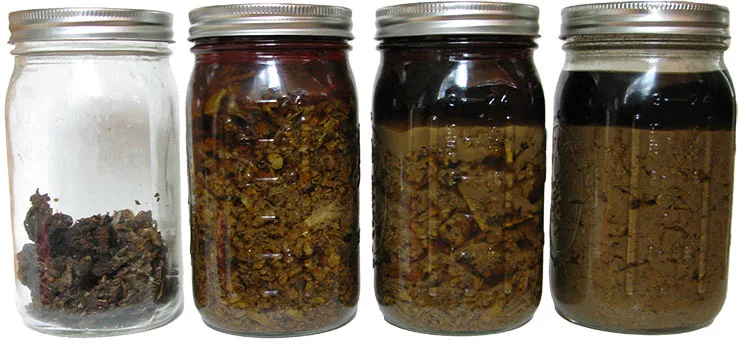
Remove the trap once most of the slits are filled.
Freeze it, sealed in a clean bag, overnight. Cold makes propolis hard and brittle.
Flex and twist the trap over a clean tray. The propolis cracks off in chips.
Pick out any bits of wax, wood or bees, then put the trap back on the hive for the next round.
You can also scrape propolis off frames and hive walls during inspections, but this gives less, and it is often mixed with wax and dirt. A trap gives cleaner propolis, and more of it.
What Happens Next?
Keep your raw propolis clean and dry, in an airtight jar, in a cool, dark place. Turning it into tinctures, creams and other products is a bigger topic, and we will cover processing and extraction in a separate post.
What Is Propolis Used For?
Propolis has a long list of uses:
Health products: throat sprays, tinctures, capsules and lozenges
Skincare and cosmetics: creams, balms, soaps and acne products
Oral care: toothpaste and mouthwash
Natural products: lip balms and salves, often blended with beeswax
Hive care: bees use it themselves to keep the colony clean
Propolis has been used for centuries, and research on its health benefits is promising but still developing. It can cause allergic reactions in some people, so speak to a qualified health professional before using it, especially if you are allergic to bee products.
The Propolis Business: Why Beekeepers Are Paying Attention

Demand for propolis is growing, driven by supplements, natural skincare and wellness products. In Kenya, buyers have paid roughly KSh 1,500 to KSh 10,000 per kilo for raw propolis, depending on quality and form. Finished products sell for far more per gram. In local shops, a 30 ml propolis tincture sells for roughly KSh 1,300 to KSh 1,850, and a 50 ml throat spray for about KSh 1,500 to KSh 1,900.
The beauty of propolis is that it comes from hives you already have. Here is a simple example of what it might add:
Hives with traps | Propolis per season | Value at KSh 3,000 to 6,000 per kg |
|---|---|---|
50 | about 5 kg | KSh 15,000 to 30,000 |
100 | about 10 kg | KSh 30,000 to 60,000 |
200 | about 20 kg | KSh 60,000 to 120,000 |
Assumptions: 100 g of raw propolis per hive per season, one harvest cycle, and a mid-range price. These are estimates before costs. Yields vary widely, from as little as 10 g to 200 g or more per hive, depending on your area, the bees and the season. A trap at about KSh 1,500 each is a one-time cost, and traps last for several seasons.
Propolis works best as an extra income stream alongside honey, wax and venom. Clean, well-handled propolis earns the best price, and turning it into your own products can add much more value.
Tips for a Bigger Harvest
Put traps on all your strong hives, not just one or two.
Place them in the warm, active months.
Leave some propolis for the bees, and do not harvest from the same hive too often.
Keep your harvest free of wax, wood and debris.
Keep records of each hive, so you learn which colonies produce the most.
Quick Questions
How long does it take bees to fill a propolis trap?
Usually three to six weeks.
How much propolis does one hive give?
It varies from about 10 to 200 grams per season, and some hives give more.
Do I need a freezer?
A freezer makes harvesting easiest, since cold makes the propolis brittle. If you don’t have one, a buyer or partner with cold storage can help.
Does harvesting propolis hurt the bees?
Not when you leave enough for them and harvest sensibly.
Can I sell raw propolis?
Yes. Clean, dry raw propolis has buyers in Kenya and abroad.
Comments
0 comments