Bees choose their home by smell and safety. If your empty hive smells like a place where bees have lived before, and sits somewhere dry, sheltered and quiet, scout bees are far more likely to move in. This guide shows you how to attract bees to a hive using materials you can find locally, where to place your hives, and why waiting is part of the job.
How Bees Choose a New Home
When a swarm leaves its old colony, it does not wander at random. Scout bees fly out ahead and inspect possible homes. They look for a dry, dark, protected space of the right size, and they pay close attention to smell. A hive that smells of beeswax and old comb tells the scouts, "bees have lived here safely before."
So the goal is not to offer food. The goal is to make your hive look and smell like a good home.
How to Attract Bees to a Hive: What Actually Works
1. Beeswax
Beeswax is the most popular and one of the best local baits. Melt a little and brush it onto the inside of the hive and around the entrance. In top bar hives, a thin line of melted wax on each bar, or a fresh strip of wax along the top bar, works very well. Wax smells like home to a bee, and you can find it on almost any farm.
2. Propolis
If you have propolis from your own hives, rub a small amount around the entrance and inside the walls. It carries the scent of a lived-in hive, and in field comparisons, hives smeared with propolis were colonised better than those baited with many traditional materials.
3. Old comb
A piece of old, dark brood comb from a healthy colony is one of the strongest attractants there is. It carries the smell of wax, pollen, propolis and past colony life. Two cautions apply:
Only use comb from healthy hives. Never use comb from a colony that died of an unknown cause.
Do not leave it in for too long. Old comb can attract wax moths, so check often and remove it if you see damage.
4. Lemongrass
Lemongrass is a favourite across Africa, and for good reason. Its scent is similar to a pheromone that bees use to call each other to a new home. You can use it in two ways:
Fresh leaves: crush a few and rub them gently along the inside of the hive and around the entrance.
Lemongrass essential oil: put just a few drops on a small piece of cloth or cotton and place it near the entrance, or dab a little around the opening. Do not pour it on. Too much can attract ants and wasps instead of bees, and it can drive away the bees you want.
Refresh the scent every week or two while you wait.
5. Other sweet-smelling herbs
Other lemon-scented herbs and fragrant leaves, such as lemon balm and lavender, are used by some beekeepers to give a hive a pleasant smell. They are worth trying if they grow near you.
6. Ready-made lures
Some beekeepers prefer a ready-made lure. Options include commercial swarm lures that copy the bees' own scent. We also have a bee venom lure, which is a mixture of lemongrass, bee venom and herbs. None of these is essential. They are simply options, and a clean hive with wax and lemongrass will work well for many beekeepers.
What does not work as well
Cow dung, cassava flour and ripe banana are used in some traditional practices, but they do not really draw bees. Beeswax and propolis do better, so save your effort for those.
Where You Put the Hive Matters Just as Much
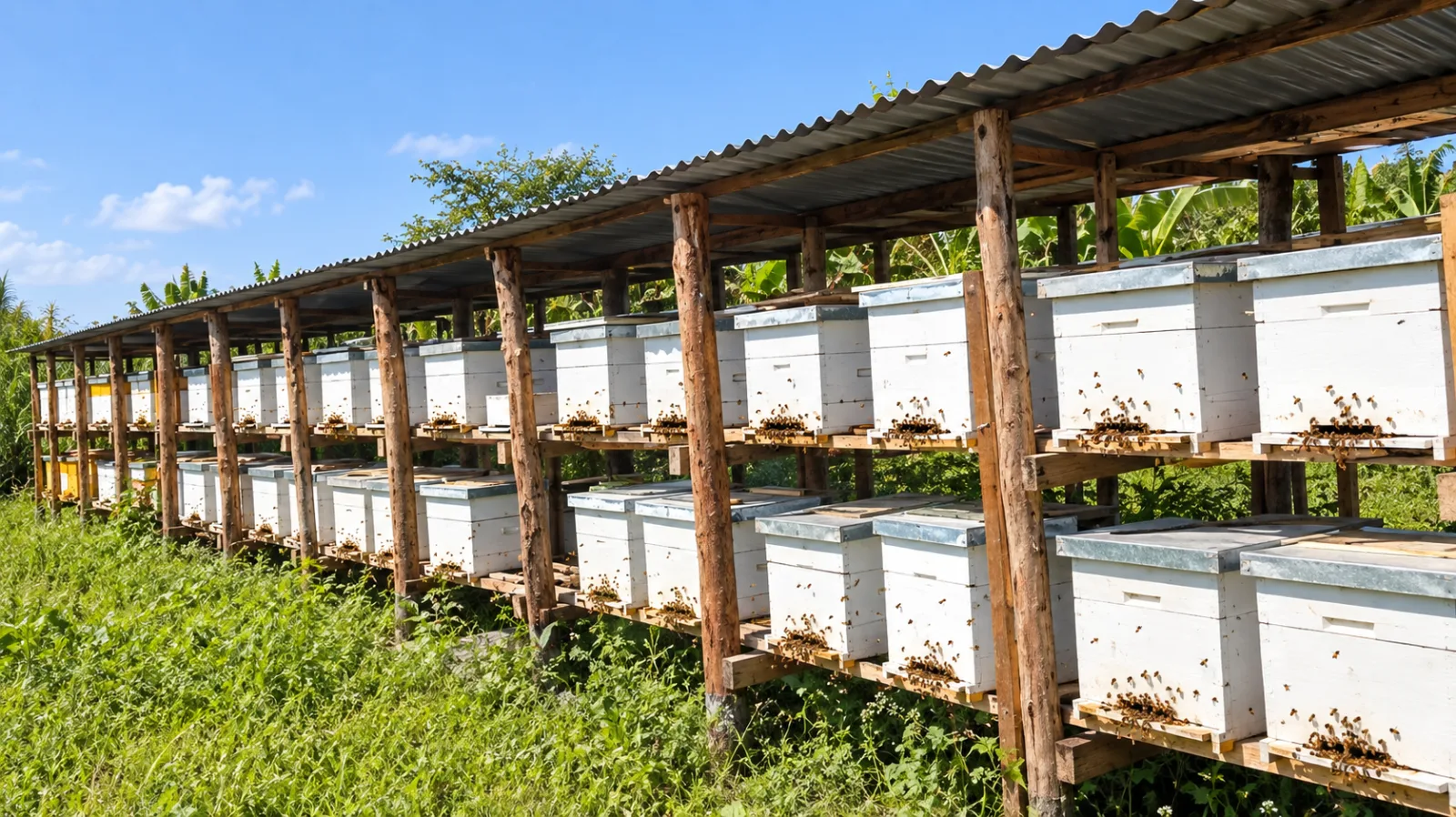
The best lure in the world will not help if the hive is in the wrong place. Scouts look for:
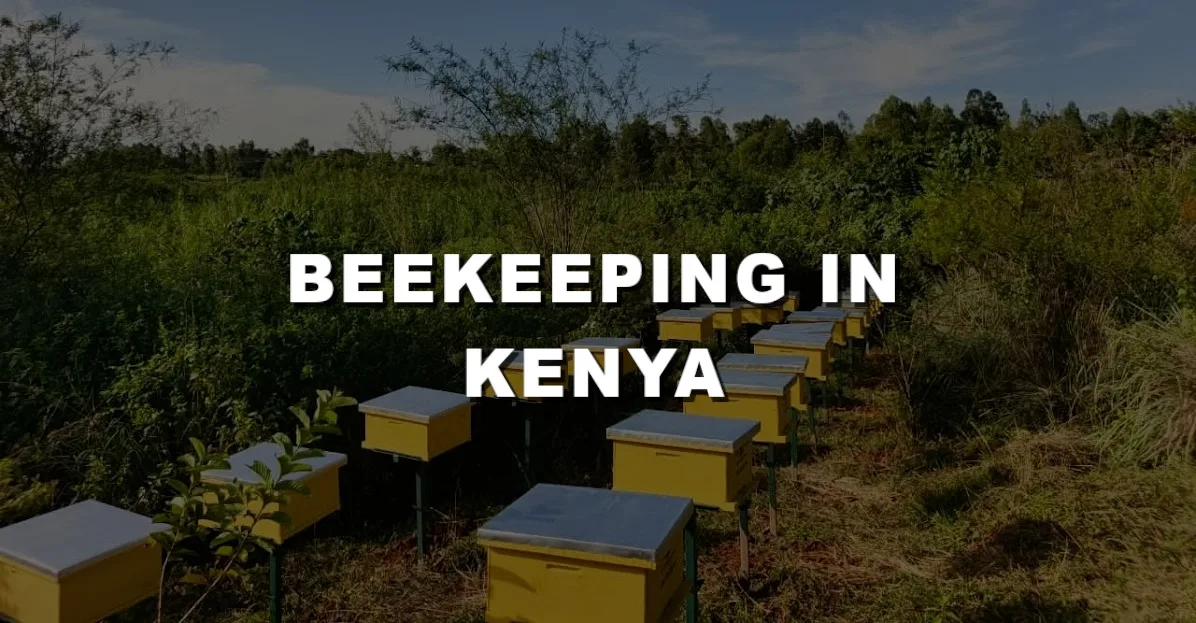
Height. Hives placed higher up, in trees or on tall stands, are colonised more often than hives at waist height.
Shelter. Choose a spot protected from strong wind, with some shade during the hottest hours.
Water and flowers nearby. A source of water and plenty of flowering plants make a site more attractive.
A quiet location. Keep hives away from busy paths, noise, livestock and smoke.
Good routes. Swarms often travel along forest edges, river lines and open corridors, so hives near these paths are more likely to be found.
A clean, dry, empty hive. No pests, no old nests, no damp, no strong chemical smell. If you have just painted or treated the hive, let it air out well first.
Protection from pests. Use raised stands, oil cups or hanging wires, and keep the ground cleared, so ants and other pests do not take over before the bees do.
Seasons and Area: Timing Is Everything
Even a perfect hive may stay empty if you put it out at the wrong time. Swarming happens when colonies grow strong and flowers are plentiful, which is often at the start of a good flowering period or the rains. But the timing is different from one area to another, and sometimes from one year to the next.
So do two things:
Ask local beekeepers when swarms usually move in your area.
Put your hives out early, a few weeks before the usual swarming season, so they are ready and smell like home when the bees come looking.
It also helps to know that wild bees need to live nearby. If there are no wild colonies within reach, even the best bait will have nothing to attract.
Patience: The Part Nobody Tells You About
Here is the honest truth. Filling hives takes time. In many areas, only part of a beekeeper's hives are occupied in a season, with figures commonly falling between roughly half and three-quarters in well-managed apiaries. Some hives fill in a few weeks. Others take a season or longer.
While you wait:
Check the hives, but do not disturb them every day. A visit every week or two is enough.
Freshen the scent if it has faded.
Keep the site clean and watch for ants, wasps and wax moths.
Do not keep moving hives around. Give a location a fair chance before you change it.
Keep notes. Write down which hives get bees, where they are, and when. After a season or two, you will know your best spots.
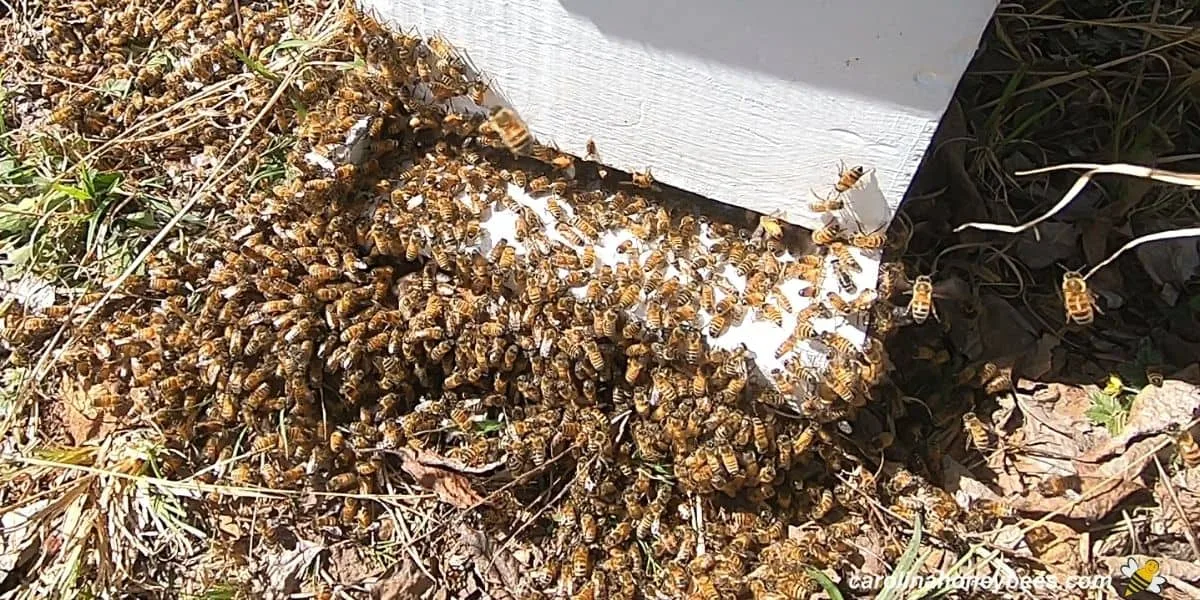
And once bees move in, leave them alone for a couple of weeks so they can settle. Opening the hive too early is one of the quickest ways to make them leave.
Other Ways to Get Colonies
If waiting feels too slow, you can also:
Place swarm catcher boxes along bee routes
Collect swarms from local beekeepers or farmers who see them
Divide strong colonies you already own
Buy established colonies from experienced beekeepers
Many successful apiaries use a mix of all of these.
Frequently Asked Questions
What is the best thing to put in a hive to attract bees?
Beeswax and old comb from a healthy colony work best, with lemongrass as a simple addition.
How much lemongrass oil should I use?
Only a few drops on a small cloth or cotton near the entrance. Too much can attract ants and wasps.
How long does it take for bees to move into a new hive?
It can take a few weeks to several months, depending on the season, the area and how many wild colonies are nearby.
Does the height of the hive matter?
Yes. Hives placed higher up tend to be colonised more often than hives placed at waist height.
Can I use cow dung or banana to attract bees?
These are used traditionally, but they are less effective than beeswax and propolis.
When is the best time to put out hives?
A few weeks before your area's usual swarming season. Ask local beekeepers for the timing near you.
Why are bees not entering my hive?
Common reasons are a poor location, a hive that smells of chemicals or damp, pests, no wild bees nearby, or the wrong time of year.
Need a Hand Getting Started?
Beekeeping gets easier when you have someone to ask. If you would like advice on baiting hives, choosing a site or building your first apiary, you are welcome to get in touch: https://horizonbeeafrica.com/contact
Final Word
Attracting bees is part science and part patience. Make your hive smell like a home, put it in a safe, quiet and well-chosen place, time it with the season, and then let the bees come to you. When the first swarm moves in, you will know it was worth the wait.
Comments
0 comments