
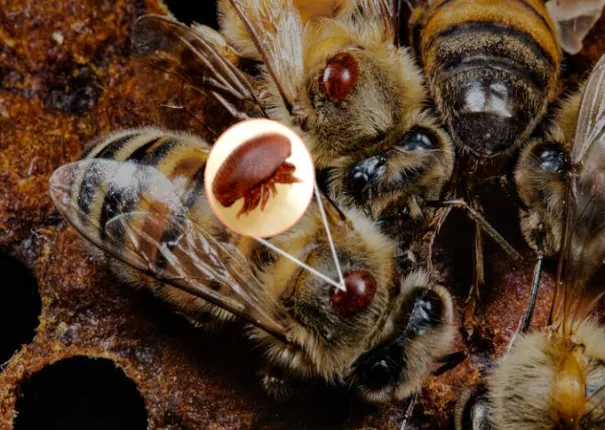

Varroa mites are tiny parasites that have wiped out colonies in Europe and North America. In Kenya, the picture is much kinder: our African honey bees fight the mites naturally, and most beekeepers never need chemicals. Still, knowing how to spot varroa mites in Kenya early keeps your colonies strong and your products clean, and it takes only a few minutes.
What Are Varroa Mites?
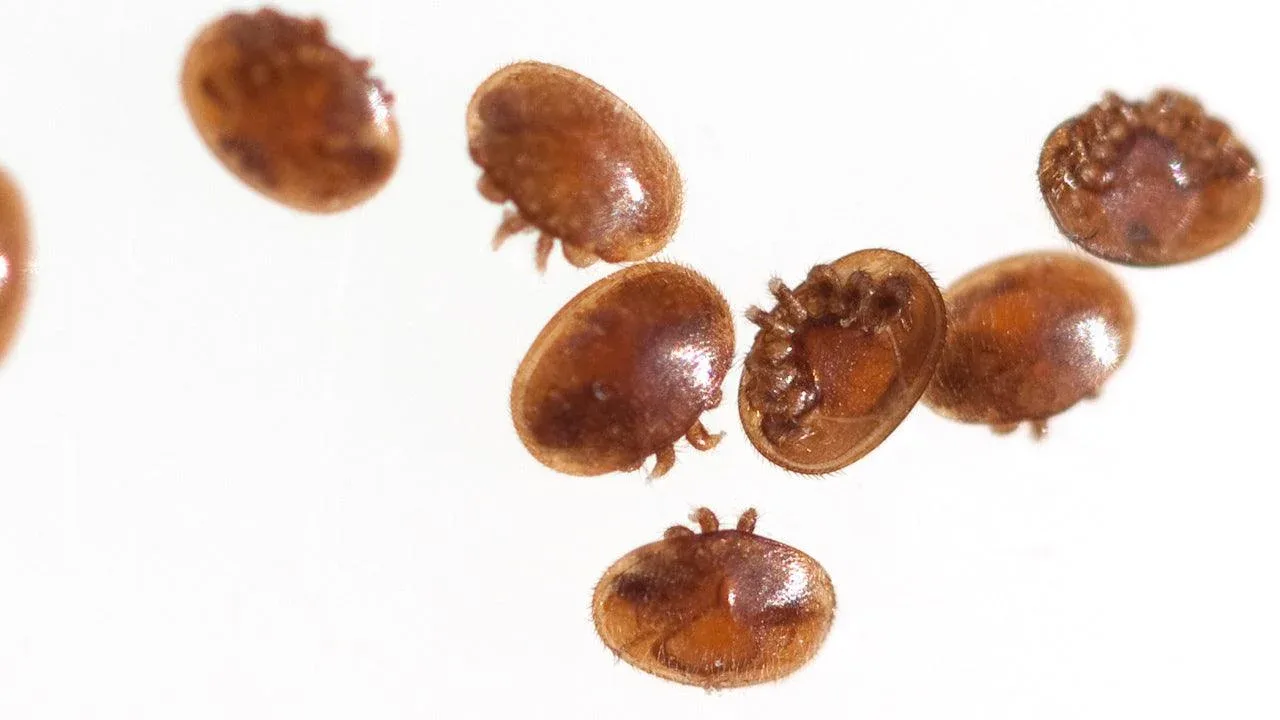
Varroa mites are small, reddish-brown parasites, about the size of a pinhead. They live on adult bees and inside brood cells, feeding on the bees and spreading viruses. In places where bees have no natural defence, a heavy infestation can weaken a colony and kill it.
Why Is It a Smaller Worry Here?
Because African honey bees have natural defences. Our bees:
Groom mites off each other and bite them
Spot and remove infested brood from the cells
Develop quickly, which leaves the mites less time to reproduce
Raise brood continuously and sometimes abscond when conditions turn bad, which breaks the mite cycle
Research in Kenya shows that local bees keep mite numbers low and survive without any treatment, which is very different from European bees in colder countries. Most colony losses here come from other causes, such as absconding, drought, theft, ants, hive beetles and wax moths.
Should You Still Pay Attention?
Yes, lightly. Varroa mites in Kenya are present, and a stressed colony can still be weakened by them. Mites matter more when:
Colonies are weak, hungry or short of water
Bees are stressed by drought or pesticides
Hives are crowded together with poor hygiene
You bring in bees or queens from outside, which may not share the same resistance
Think of it as a smoke alarm. You do not expect a fire, but it is good to have one.
How to Spot Varroa Mites Early
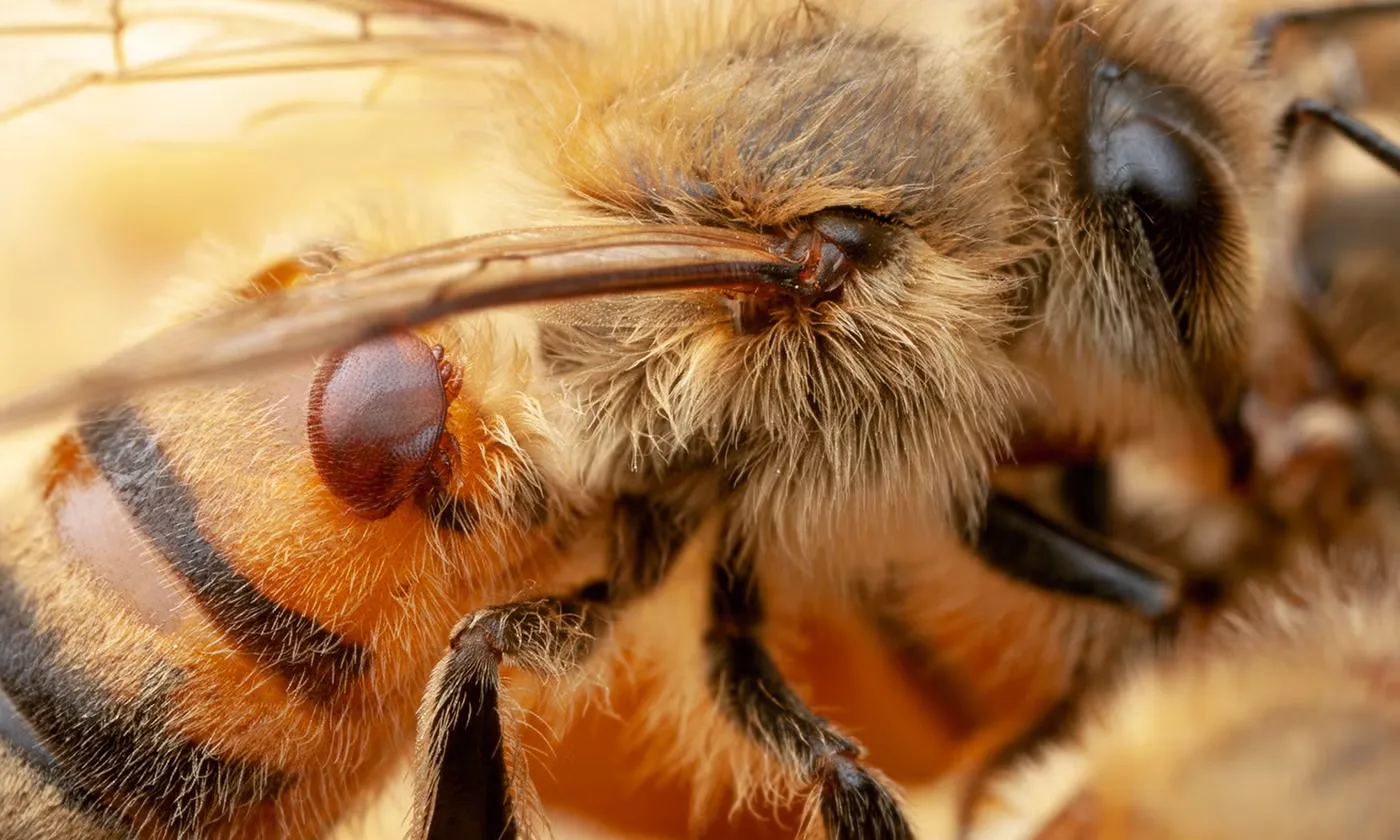
Signs on the bees and brood:
Small, reddish-brown dots on adult bees, or in drone brood cells
Bees with crumpled, deformed wings, or bees that look small or weak
Patchy, scattered brood
A colony that keeps shrinking for no clear reason
Two simple checks you can do:
Sticky board check. Slide a sheet of greased paper or card under the hive floor for about a day or two, then count the mites that fall. A few is normal. A steady, growing number is worth a closer look.
Drone brood check. Mites prefer drone brood. Gently uncap a small patch and look for the reddish-brown mites on the pupae.
Write the numbers in your notebook. A single mite is nothing to worry about. A steady rise over several visits is what counts. Ask your trainer if you are unsure what you are seeing.
What Works for African Beekeepers
Here is the good news: the best tools are simple and cheap.
1. Keep colonies strong. Healthy colonies with plenty of food, water and room handle mites well. This is your first and best defence.
2. Use your local bees. Local bees carry natural resistance. Avoid bringing in outside bees or queens unless you really need them.
3. Keep a clean, well-spaced apiary. Tidy hives, good airflow and some space between them help.
4. Monitor regularly. The sticky board and drone brood checks above take minutes.
5. Use simple, non-chemical steps if numbers climb.
Remove some drone brood, because mites gather there
Use a screened bottom board so mites that fall cannot climb back
Make sure the colony has food, water and shade
6. Be careful with treatments. If mite numbers stay high and the colony is struggling, talk to your trainer or county livestock or agriculture officer before applying anything. Do not use unapproved chemicals in your hives.
Keep Your Products Clean
This is why careful matters. Chemicals in a hive can leave residues in honey, wax, propolis and bee venom, and buyers reject contaminated products. If you plan to sell, or to supply export or cosmetic buyers, keeping your hives free of unnecessary chemicals protects both your bees and your market.
Learn with Us
We train beginners to spot problems early, keep colonies strong and produce clean honey, wax, propolis and venom. If you would like help checking your hives, say hello here: https://horizonbeeafrica.com/contact
Strong bees, a tidy apiary and a quick check now and then: that is most of your varroa plan.
If you notice sudden, unexplained colony deaths, contact us or your county livestock officer or us, so the problem can be identified properly.

Comments
0 comments