The Growing Global Demand for Bee Venom
Introduction
For centuries, bee venom was primarily recognized as a natural defense mechanism used by honeybees to protect their colonies. Today, however, this remarkable substance is gaining attention far beyond the hive.
Researchers, manufacturers, and agricultural entrepreneurs across the world are increasingly interested in bee venom because of its unique biological composition. What was once considered a by-product of beekeeping is now becoming one of the most discussed specialty products in modern apiculture.
As global industries continue searching for natural and biologically active materials, the demand for bee venom has steadily expanded.
Why This Topic Matters Today
The global bee products industry has evolved significantly over the past decade. While honey remains the most widely recognized bee product, interest in products such as propolis, royal jelly, beeswax, and bee venom has grown considerably.
Bee venom stands out because of its complex mixture of peptides, enzymes, and bioactive compounds that continue to attract scientific investigation.
This growing attention has created new conversations around sustainable production, research opportunities, and the future role of beekeepers in supplying specialized bee-derived products.
What Makes Bee Venom Unique?
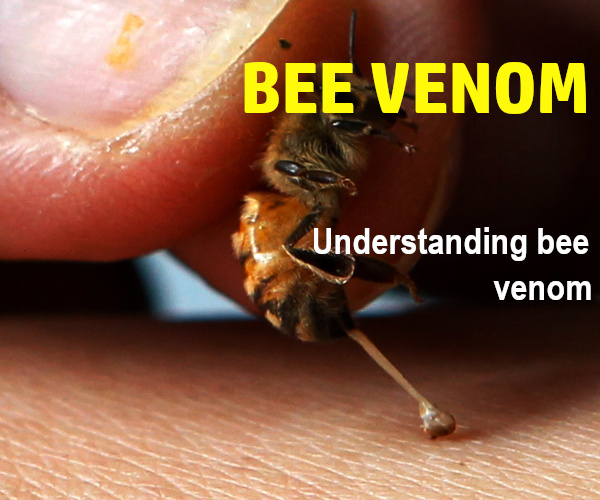
Bee venom, also known as apitoxin, contains a variety of naturally occurring compounds.
Among its most studied components are:
- Melittin
- Apamin
- Phospholipase A2
- Various peptides and enzymes
Scientists continue exploring how these compounds interact with biological systems, making bee venom an active area of research in multiple fields.
Its complexity is one reason why interest in bee venom has expanded globally.
Industries Driving Demand
Several sectors are contributing to the increasing interest in bee venom.
Research and Biotechnology
Research institutions around the world are studying bee venom's biological properties and potential applications in scientific investigations.
Cosmetic Industry
Some skincare manufacturers have incorporated bee venom into specialty cosmetic products, creating additional market demand.
Pharmaceutical Research
Researchers continue examining bee venom compounds to better understand their biological effects and potential future applications.
Specialty Bee Product Markets
The broader growth of premium bee products has also contributed to increased awareness of bee venom among producers and consumers.
Real-World Market Trends
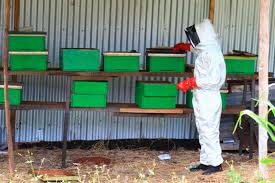
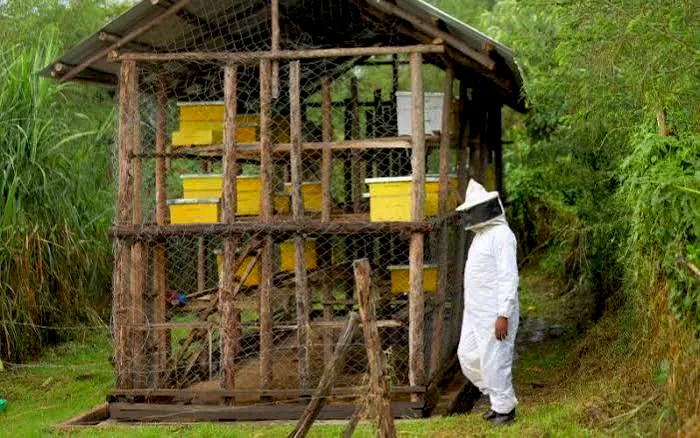
Countries with established beekeeping industries have increasingly explored bee venom collection alongside traditional honey production.
In some regions, specialized extraction systems have enabled beekeepers to diversify the range of products obtained from healthy colonies.
At the same time, buyers often place significant emphasis on:
- Product purity
- Traceability
- Sustainable collection methods
- Consistent quality standards
These requirements have encouraged more professional approaches to bee venom production.
Challenges Behind the Opportunity
While demand may be growing, bee venom production is not without challenges.
Colony Welfare
Responsible collection methods must prioritize the health and wellbeing of bee colonies.
Technical Expertise
Venom collection requires specialized knowledge and equipment compared to traditional honey harvesting.
Quality Control
Maintaining consistent quality is essential for industries that rely on standardized products.
Regulatory Requirements
As markets mature, producers may face increasing requirements related to safety, quality assurance, and traceability.
Common Myths and Misconceptions
Myth: Bee venom is a new discovery
In reality, bee venom has been known and studied for many years, although modern scientific interest continues to expand.
Myth: Demand for bee venom has replaced honey production
Honey remains one of the most important products in beekeeping. Bee venom represents an additional area of interest rather than a replacement.
Myth: All bee venom is the same
Quality can vary depending on collection methods, handling practices, and environmental factors.
Future Trends and Opportunities
Experts expect scientific research into bee-derived products to continue growing.
Future developments may include:
- Improved extraction technologies
- Better quality monitoring systems
- Expanded research applications
- Greater emphasis on sustainable collection methods
As awareness increases, bee venom may become an increasingly important component of the broader bee products sector.
Conclusion
The growing global demand for bee venom reflects a broader shift toward exploring the unique potential of natural biological resources. From research laboratories to specialty product industries, interest in this remarkable bee product continues to expand.
Yet its future will depend not only on market demand, but also on responsible production, scientific understanding, and sustainable beekeeping practices. As the industry evolves, bee venom is likely to remain one of the most intriguing and closely watched products emerging from the world of bees.
Frequently Asked Questions
What is bee venom?
Bee venom, also known as apitoxin, is a natural substance produced by honeybees for colony defense. It contains biologically active compounds such as melittin, apamin, and phospholipase A2.
Why is demand for bee venom increasing?
Demand is growing because researchers, pharmaceutical companies, biotechnology firms, and cosmetic manufacturers continue exploring its unique biological properties and potential applications.
Can beekeepers collect bee venom without harming bees?
Modern bee venom collection systems are designed to stimulate bees to release venom onto a collection surface without killing them. Proper equipment and responsible handling practices help minimize stress on colonies.
What industries use bee venom?
Bee venom is being studied and used in biotechnology research, pharmaceutical development, cosmetic products, and other specialty bee product industries.
Is bee venom replacing honey production?
No. Honey remains the primary product of most beekeeping operations. Bee venom is considered an additional high-value product that can complement traditional honey production when collected responsibly.