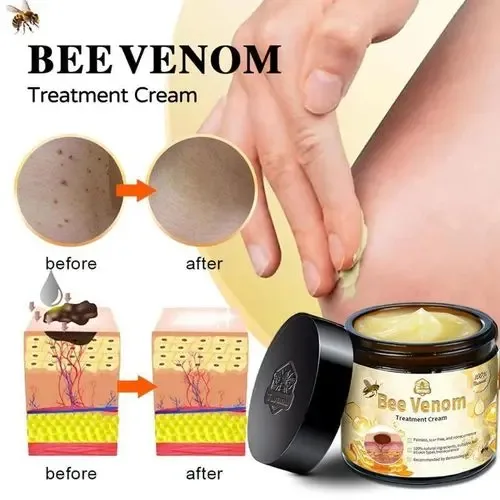
Look on the shelf of a beauty fan in London, Toronto or Seoul and you may spot a jar with a bee on it. Inside is something every beekeeper knows well: bee venom.
Yes, the same venom a bee uses to guard her hive. A tiny amount of it ends up in serums, creams and face masks that people happily pay a lot of money for. So how did a sting become a beauty product?
A trend that keeps coming back
Bee venom first showed up in skincare around 1990, in a small number of products in North America, and by 2004 European brands had joined in and made it a trend. It has had quiet years and loud years since, and today it is back on the shelves of well-known brands. cosmeticsdesign-europe
What is inside a drop of venom?
Think of venom as a team of workers. Each one has a job.
Melittin is the team leader and the main active ingredient. It makes the skin act as if it has been lightly stung, so blood flows to the area. Makers say this helps the skin produce more collagen and elastin. Collagen and elastin are what keep skin firm and bouncy. cosmeticsdesign-europe
Enzymes are the helpers. One of them, hyaluronidase, is known as the "spreading factor" because it helps other parts of the venom move through the skin.
Other peptides, such as apamin, make up the rest. In total, venom has more than forty active compounds. gcimagazine
That busy mix is why cosmetic makers like it. Some brands also use it for its antibacterial properties, in cleansers and moisturisers. cosmeticsdesign-europe
"Nature's Botox"? Not quite
You will see this phrase a lot. It is a catchy marketing name, not a medical claim. Venom in a cream does not work the way a Botox injection does, and results are different for each person. Think of it as a skincare ingredient that brands say gives the skin a firmer, fresher look.
Brands that use bee venom
Rodial (London) has a bright yellow bee venom range of six products, including a cleansing balm, eye cream, serum, day cream and a night gel. nuvomagazine
Manuka Doctor (New Zealand) uses purified bee venom in a wide range of anti-ageing products. klinegroup
Heaven Skincare (UK) has a line for lines and dark circles that mixes Manuka honey and bee venom. cosmeticsdesign-europe
Bénir Beauty (Canada) uses venom from ethical beehives in British Columbia. nuvomagazine
BeeVenom Touch (Croatia) blends bee venom with honey, collagen, hyaluronic acid and plant oils in its creams. singular
Where does the venom come from?
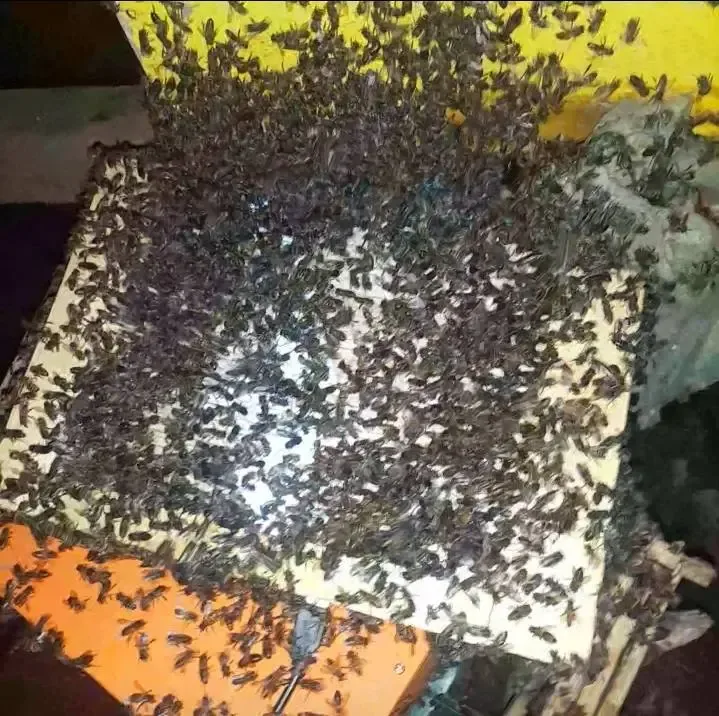
Not from a lab. It comes from beekeepers.
A collector device sits at the hive entrance. Bees sting a glass plate and the venom dries into a powder that is scraped off. Bees are not harmed when they sting a hard surface like glass. The dried venom then goes to a buyer, who cleans it and turns it into an ingredient. yandex
Several companies work in this supply chain:
Horizon Bee Africa supplies dried raw bee venom and bee venom collectors, so beekeepers can collect and sell from the same source.
Bee Venom Lab (USA) is a bee venom powder producer in Georgia, in the Caucasus. It sells its venom to buyers in the USA, Canada, the EU, Latin America and parts of Asia..
Chung Jin Biotech in South Korea sells purified bee venom and melittin as raw materials, and also makes its own serums and masks. swapcard
Apitoxin is a supplier that works with beekeepers, helping them with testing, paperwork and certification so their venom meets international standards. gcimagazine
Why quality is everything
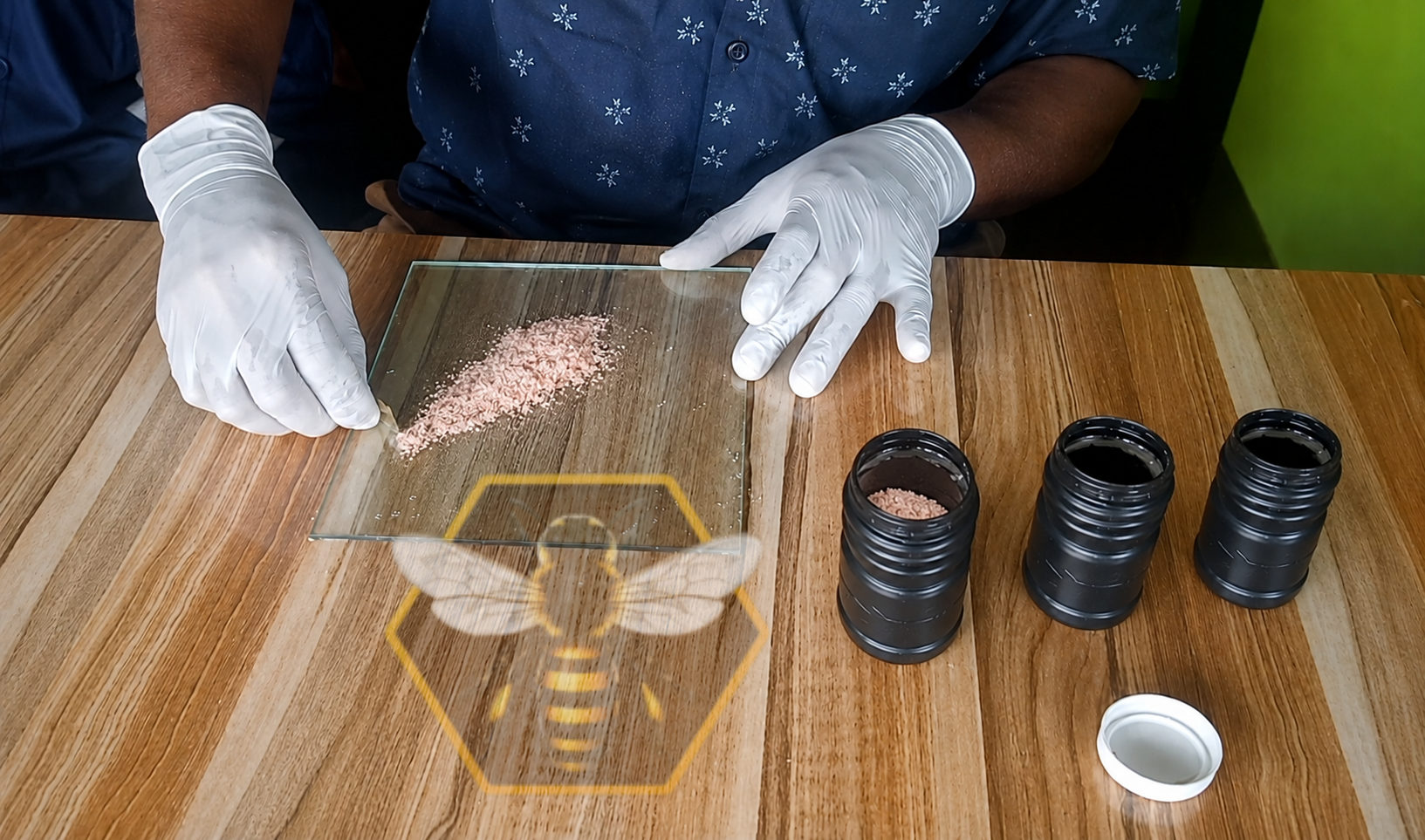
A brand cannot build a product on dirty or badly dried venom. Buyers pay well for venom that is clean, dry and handled properly, and they pay less for anything else. How you collect, dry and store your venom decides your price.
Before you try it
If you are allergic to bee stings, stay away from bee venom products. Everyone else should test a small amount on the inner arm and wait a day before using it on the face. Mild tingling can be normal, but swelling, hives or trouble breathing is not, so stop and see a doctor. This article is for information and is not medical advice.
What it means for African beekeepers
The beauty industry already wants venom, and it needs a steady supply. You do not have to invent a market. You need strong colonies, safe collection and a buyer.
Curious how much it can earn? Read our guide, Is Bee Venom Collection a Profitable Business in Kenya? Want to learn to collect safely? Talk to us about training.
Comments
0 comments