An empty top bar hive is just a wooden box until the bees move in. To get them there, you can attract a wild swarm with bait, buy an already colonised hive, or transfer a colony from another hive.
Whichever route you choose, a top bar hive in Kenya and across East Africa does well when you prepare it properly, place it well and give the bees a calm first few weeks. None of it is hard, and this guide takes you through it step by step.
Why Top Bar Hives Suit East Africa
Top bar hives are simple, low-cost and easy on your back. The hive lies horizontally, so there are no heavy boxes to lift, and the bees build their own comb naturally along the bars. For a beginner, that means fewer tools and less to learn on day one. For a growing apiary, it means hives that are easy to inspect and manage.
Three Ways to Colonise a Top Bar Hive
Most East African beekeepers start with one of these three routes.
1. Attract a wild swarm. This is the most common and cheapest method. You prepare the hive with bait and place it where scouting bees will find it. When a swarm is looking for a new home, a well-prepared hive can win it. Colonisation can take a few weeks or a few months, depending on the season and the number of wild colonies nearby.
2. Buy a colonised hive. This costs more but gives you a head start, with bees, comb and brood already in place. It is a good option if you want to start earning sooner, or if you have little time to wait.
3. Transfer or split an existing colony. If you already keep bees, you can move bars of comb with bees into a new top bar hive. This is how many beekeepers grow their apiary from a few strong colonies.
You do not have to choose only one. Many beekeepers bait several hives and also buy a few colonised ones, so they start producing while the others fill.
Prepare the Hive Before the Bees Arrive
Good preparation is where most of the success comes from.
Clean the hive. Remove dust, insects and any strong smells. Bees prefer a clean, dry home.
Bait the hive. Rub the inside with a little beeswax and a few fresh lemongrass leaves, or use a bee lure. A natural lure is one option among several, and simple beeswax and lemongrass also work well.
Fit starter strips. Add strips of wax or a guide along the top bars, so the bees build straight comb along each bar and not across them.
Space the bars properly. Bars should sit snugly together, with no big gaps where bees could build crooked comb.
Make the roof tight. A dry, sealed roof keeps out rain and wind.
Choose a Good Site
Where you put the hive matters almost as much as how you prepare it.
Water nearby. Bees need a clean water source, especially in dry months.
Shade and shelter. Avoid harsh afternoon sun and strong wind. In cooler highland areas, a sheltered spot helps colonies stay warm at night.
Forage around. Look for flowering trees, crops and wild plants within a few kilometres.
Quiet and safe. Keep hives away from busy paths, noisy areas and livestock tracks.
Raised and protected. Put the hive on a stand and protect the legs against ants, for example with grease on the stand legs.
Timing: Work With the Seasons
In East Africa, flowers follow the rains. The best time to introduce bees is just before or during a flowering season, when nectar and pollen are plentiful and the colony can build comb and raise brood quickly. In Kenya, that usually means the weeks around the long and short rains, though local conditions vary. Check what flowers in your area and when.
Avoid introducing bees in the middle of a long dry spell. When food runs short, colonies may leave, a habit called absconding.
Transferring a Colony: Step by Step
If you are moving bees from another hive into your top bar hive, follow these steps:
Choose the right moment. Work in the evening or during a warm, sunny part of the day, when many foragers are out. Bees are calmer then.
Prepare the new hive first. Have the bars, roof and stand ready before you open the old one.
Move the comb gently. Place the combs on the bars one by one, brushing bees on carefully, and keep the brood comb in the middle of the hive, where it stays warmest.
Close up and leave the bees alone. Seal the hive, and avoid opening it again for a few days.
Watch from a distance. Bees may cluster outside the entrance at first. This is normal, and they usually move in within a day or two.
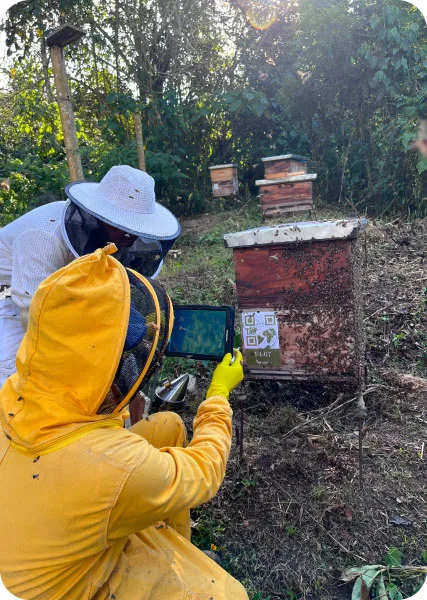
Always wear protective gear and use a smoker lightly, a little smoke is enough.
The First Two Weeks: What to Check
Once the bees are in, keep it simple.
Is the queen laying? Look for fresh eggs and larvae in the cells, which means the colony is growing.
Is comb being built along the bars? Healthy new comb on the starter strips is a good sign.
Is there robbing? If bees from other colonies are attacking the hive, reduce the entrance so the guard bees can defend it.
Are ants or pests around? Check the stand and the entrance, and keep them clear.
Common Problems and Easy Fixes
Bees are leaving the hive. Check ventilation, make sure there is water nearby and see whether flowers are scarce. Hives need food and a calm home to stay.
Comb is going up slowly. Feed a light 1:1 sugar syrup, which means equal parts sugar and water, to encourage the bees to build. Use it only when forage is short, and stop when the flowers return.
Bees will not move into a baited hive. Be patient, and try a different site, fresh bait or a spot closer to a water source. Sometimes the best fix is simply waiting for the next flowering season.
A Strong Queen Makes a Strong Colony
Every colony depends on its queen. A healthy, productive queen means steady brood, a strong workforce and better harvests of honey and other products. That is why queen quality matters more as your apiary grows.
Horizon Bee Africa helps beekeepers with queen breeding and rearing, and we rear queens ourselves. If you want to learn how queen rearing works, or you want your hives set up for queen rearing, get in touch with us and we will guide you.
Beeswax and Other Benefits
As bees build fresh comb in a top bar hive, you also gain beeswax, a useful extra product. Horizon Bee Africa buys cleaned beeswax in bulk, so your wax can become another source of income alongside honey.
Frequently Asked Questions
How long does it take bees to move into a top bar hive?
It can take a few weeks to a few months, depending on the season, the bait you use and how many wild colonies are nearby.
What is the best time to introduce bees?
Just before or during a flowering season, when food is plentiful. Avoid long dry spells.
Do I need to buy bees?
No. Many East African beekeepers attract wild swarms with bait. Buying a colonised hive simply saves time.
What should I use to bait the hive?
Beeswax and fresh lemongrass are common choices, and a bee lure is another option.
Can I feed bees after introducing them?
Yes, if forage is short. A light 1:1 sugar syrup helps colonies build comb. Stop when natural flowers return.
Work with Us
Ready to start your top bar hives with expert support, from colonisation to queen rearing and a market for your produce? Contact Horizon Bee Africa and we will help you get your bees settled and your apiary growing.
Comments
0 comments