What Is Bee Venom?
Introduction
A bee sting is often remembered for its sharp pain and swelling, but behind that immediate reaction lies a complex biological substance with surprising depth: bee venom.
While most people associate it with discomfort, bee venom is actually one of nature’s most chemically intricate defensive tools, produced by honeybees for survival and protection.
Why Bee Venom Matters Today
Bee venom has moved beyond being just a sting response. Scientists, researchers, and medical communities study it for its unique combination of proteins, peptides, and enzymes that interact strongly with biological tissues.
At the same time, it plays a critical ecological role. It is part of how bee colonies defend themselves against predators, ensuring the survival of the hive as a whole.
Understanding bee venom helps connect ecology, biology, and even modern biomedical research in unexpected ways.
What Bee Venom Actually Is
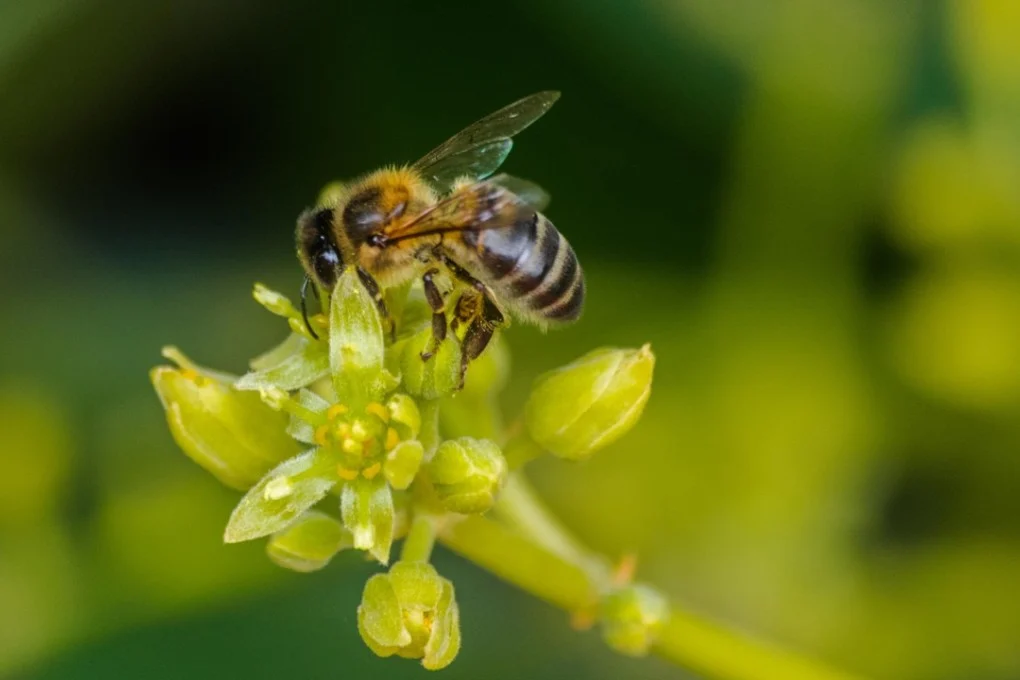
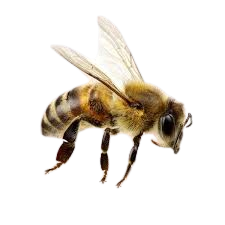
Bee venom is a clear, slightly acidic liquid produced by worker bees. It is stored in a specialized venom sac connected to the sting apparatus.
When a bee feels threatened, it releases this venom through its stinger as a defense mechanism.
Chemically, bee venom is a mixture of several active compounds, including:
- Melittin (the main component responsible for pain and inflammation)
- Phospholipase A2 (an enzyme affecting cell membranes)
- Apamin (a neuroactive peptide)
- Histamine (linked to allergic reactions)
These compounds work together to create the characteristic pain, swelling, and immune response associated with bee stings.
How Bees Use Venom in Nature
Bee venom is not used casually—it is a last-resort defense mechanism.
Honeybees typically use it to:
- Protect the hive from predators like wasps or small mammals
- Defend against threats to the colony entrance
- Signal danger to other bees through pheromones released during stinging
Interestingly, a honeybee usually dies after stinging a mammal due to the structure of its barbed stinger, making venom release a costly defense strategy for the individual bee.
Real-World Relevance and Applications
Bee venom is studied in several fields, including biology and biomedical research.
Researchers are interested in how its compounds interact with cells, inflammation pathways, and immune responses.
In ecological systems, bee venom also highlights the importance of colony defense mechanisms and how insects survive in highly competitive environments.
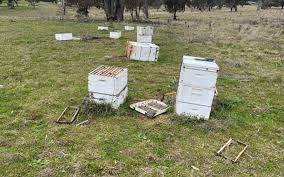
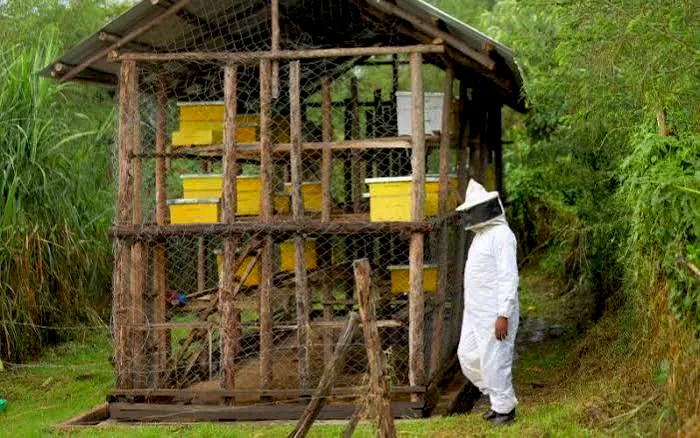
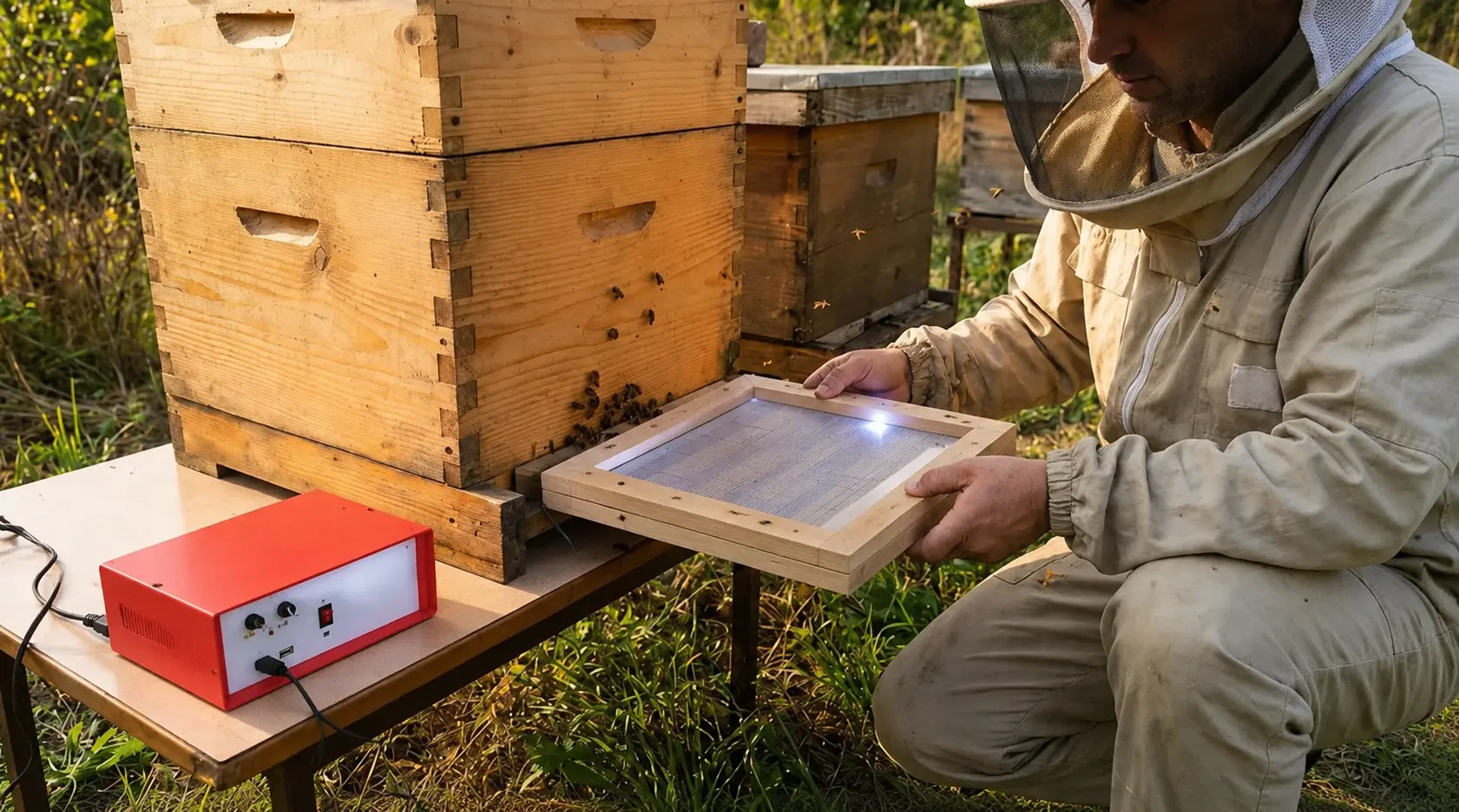
In agriculture, understanding bee behavior—including defensive responses—helps beekeepers manage hives more safely and effectively.
Interesting Facts and Myths
Fact: Bee Venom Is a Complex Chemical Mixture
It contains dozens of biologically active compounds that act together rather than a single toxin.
Fact: Not All Bees Sting the Same Way
Different bee species produce slightly different venom compositions depending on their environment and genetics.
Myth: Bee Venom Exists Only to Harm Humans
Its primary purpose is hive defense, not interaction with humans.
Myth: Bee Venom Is Always Dangerous in Small Amounts
Reactions vary widely—some people experience mild irritation while others may have severe allergic responses.
Common Misconceptions
One common misconception is that bee venom is purely a harmful substance.
In reality, it is a highly specialized biological tool evolved for survival.
Another misunderstanding is that bees sting randomly. In truth, stinging is a defensive response triggered by specific threats or perceived danger.
Future Research and Scientific Interest
Bee venom continues to attract scientific curiosity.
Modern research tools are allowing scientists to study its molecular structure in detail, opening discussions about how natural compounds interact with human biology.
There is also growing interest in understanding how environmental stressors may affect venom composition, linking bee health directly to ecosystem conditions.
Conclusion
Bee venom is far more than a painful sting—it is a sophisticated natural defense system shaped by millions of years of evolution.
By studying it, we gain insight not only into bee survival strategies but also into the complexity of natural biochemical systems that support life on Earth.