
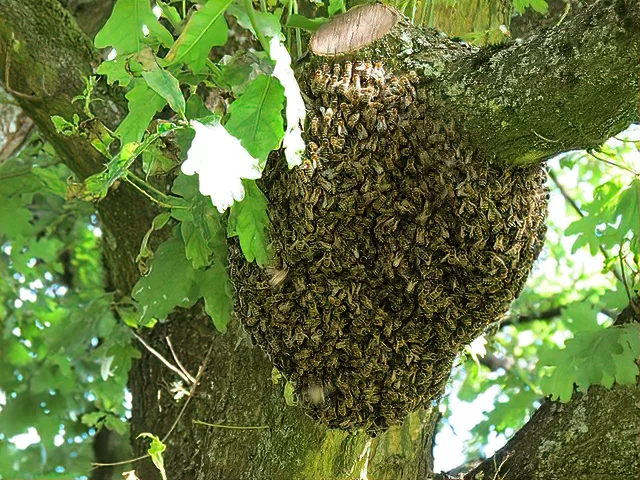
Why Colonies Abscond, and How to Keep Them
Colonies don’t leave without a reason. Learn why African bees abscond, how to spot the signs early, and the simple steps that keep them in your hives.
Colonies don’t leave without a reason. Learn why African bees abscond, how to spot the signs early, and the simple steps that keep them in your hives.
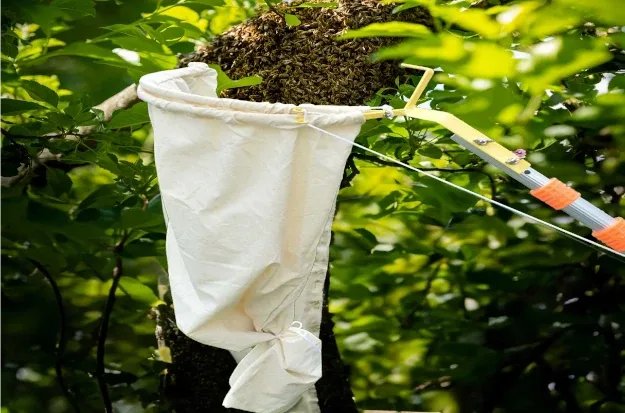
A swarm leaving a hive is not a loss, it is a free colony waiting to be caught. See why bees swarm, how to prevent it and how to catch the cluster.
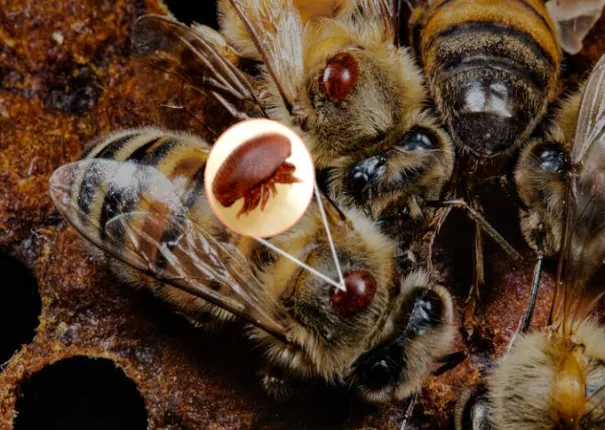
arroa mites ruined colonies in Europe and America, but African bees fight back. See how to spot them early, when to worry and what to do if you must act.
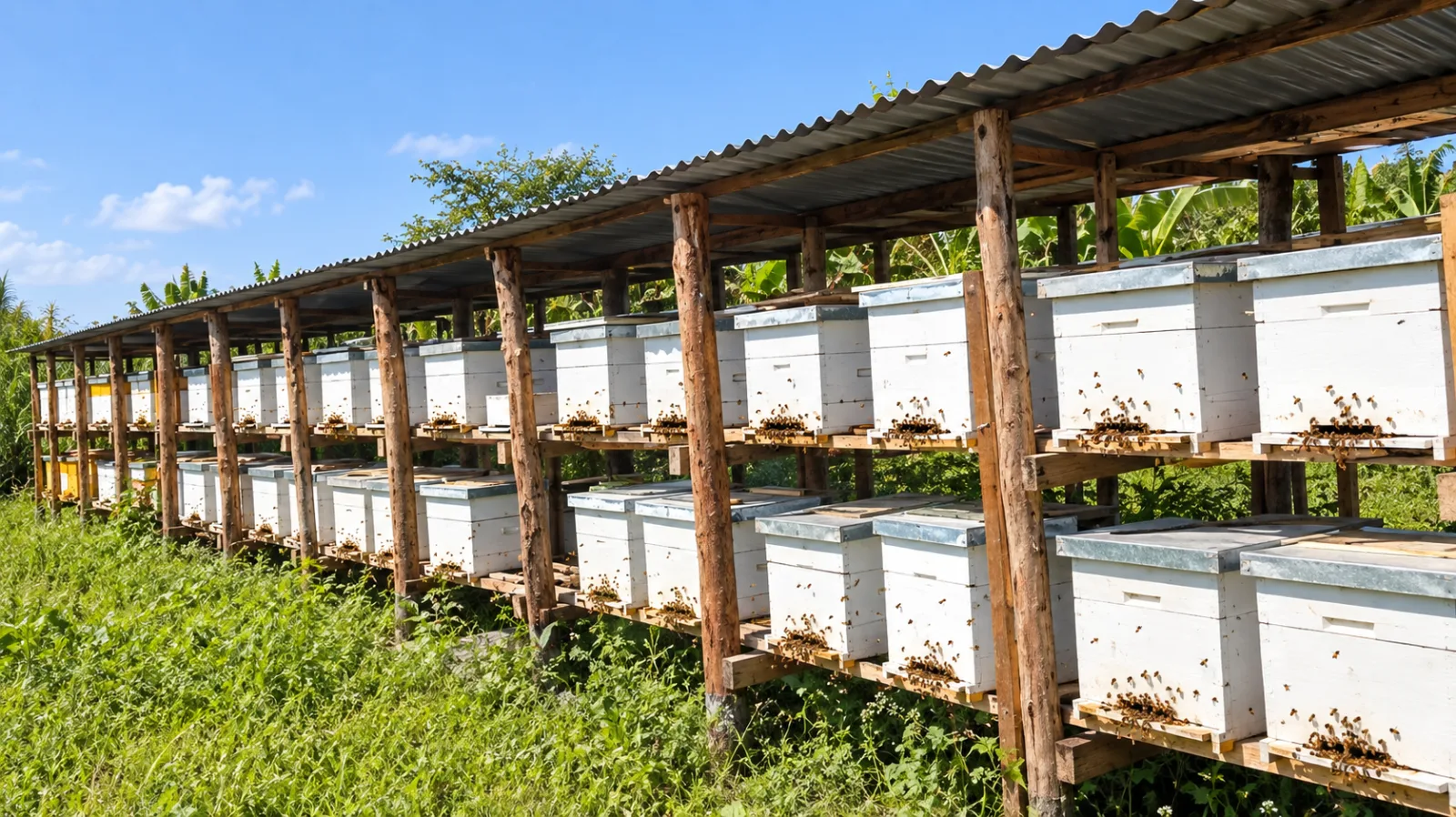
Empty hive, no bees yet? Bees choose a home by smell and safety. Here are simple local lures, the right spot and the patience that helps a swarm move in.
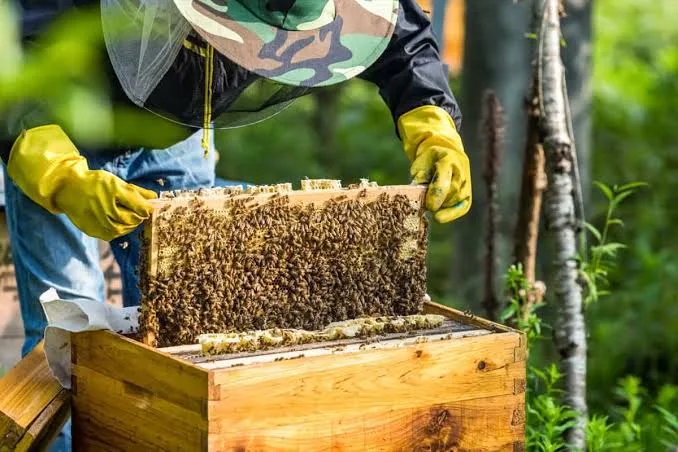
Bee venom sells by the gram, and a well-managed hive can give about one gram a month. This beginner's business plan covers how many hives to start with, what they cost, what you can earn, and the risks to plan for.
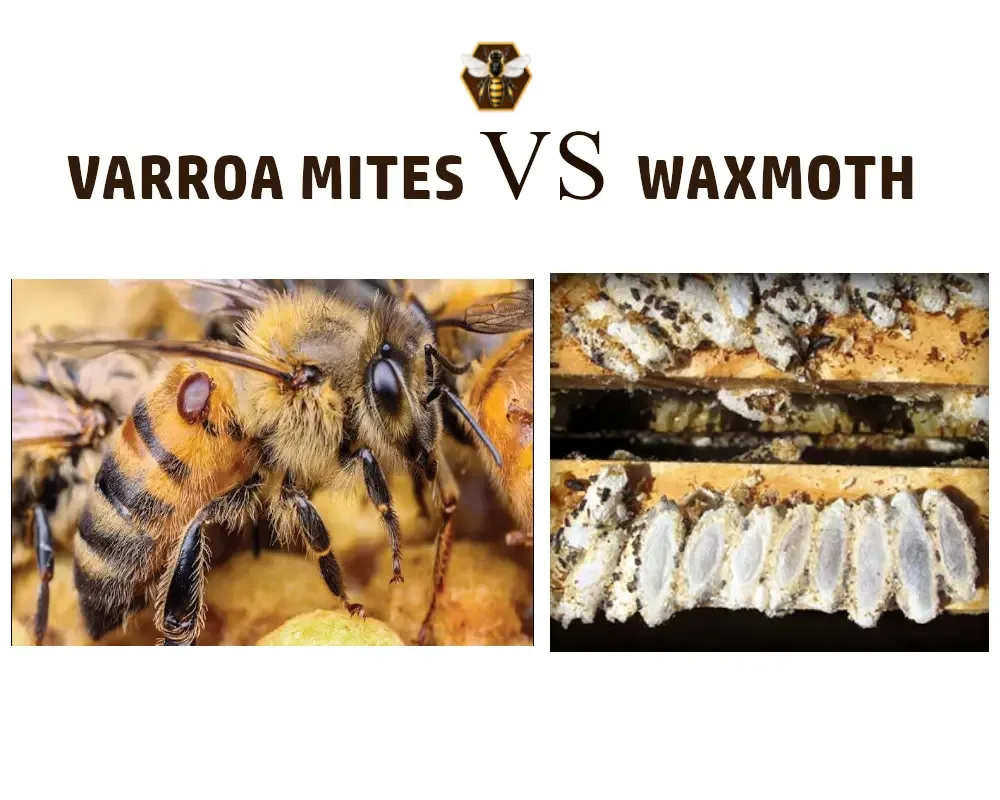
Wax moths can destroy a hive in weeks, and varroa mites have wiped out colonies elsewhere. Learn the warning signs, how to protect your apiary, and how to make a simple wax moth trap at home.
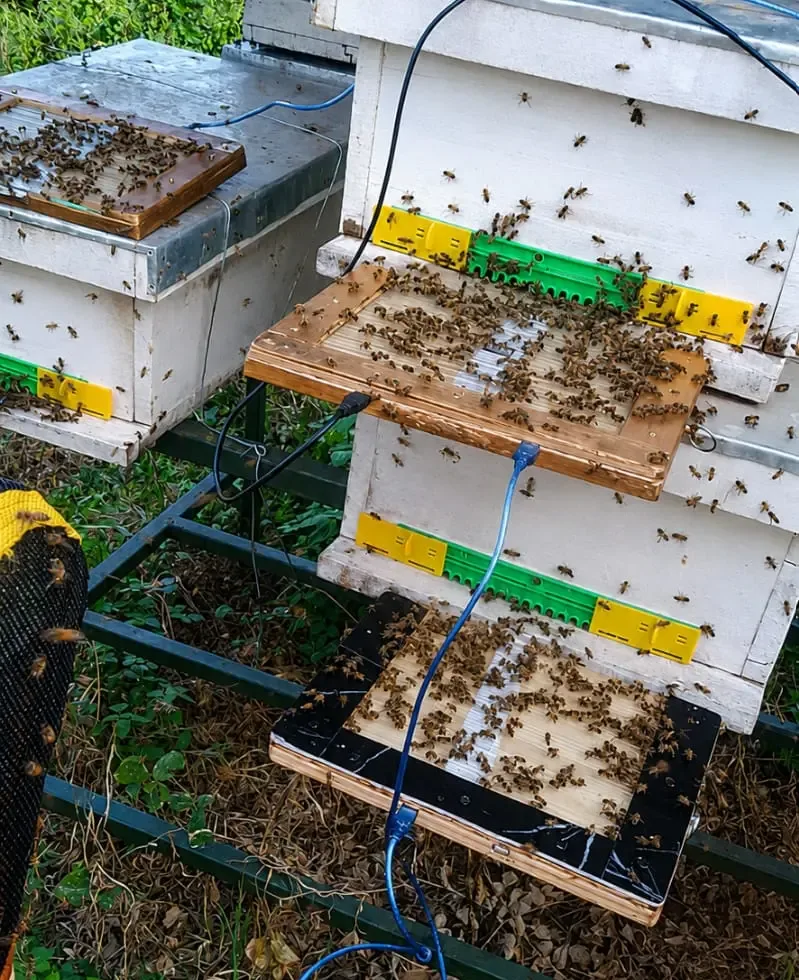
Bee venom can sell for KES 2,000 to 6,000 per gram, but only volume makes it pay. This guide covers how much venom a colony gives, startup costs, who buys it in Kenya, and the risks beekeepers need to manage before they invest.