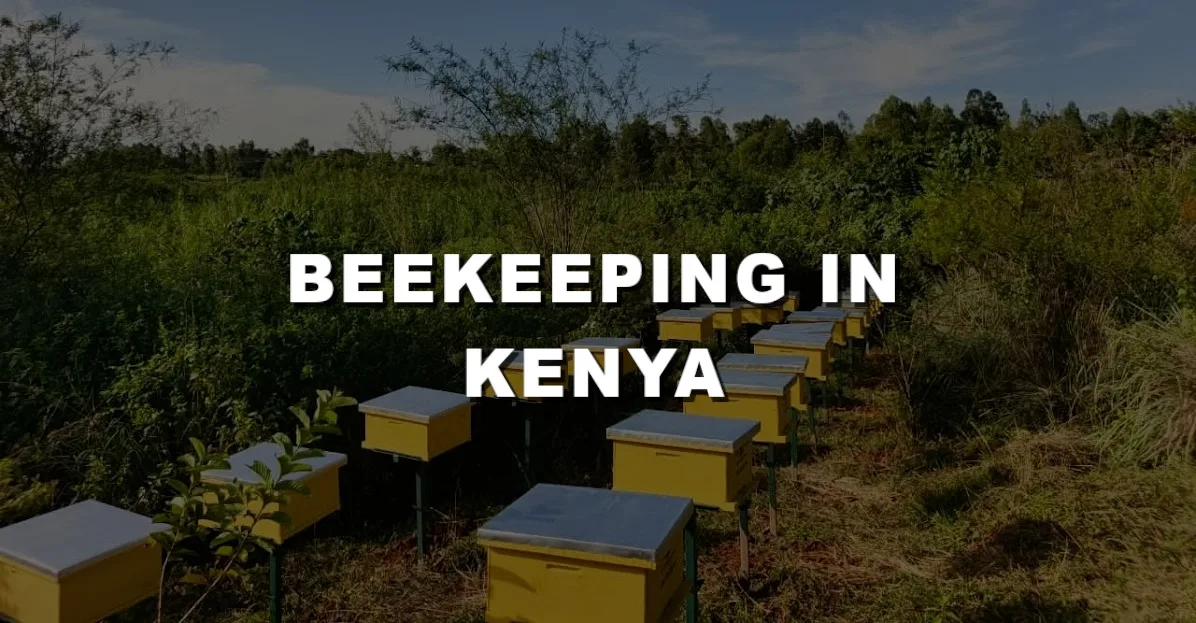
Beekeeping In Kenya
Low land needs, several income streams and a fast payback. See the capital and three-year returns behind a 500-hive apiary in Kenya.
Low land needs, several income streams and a fast payback. See the capital and three-year returns behind a 500-hive apiary in Kenya.
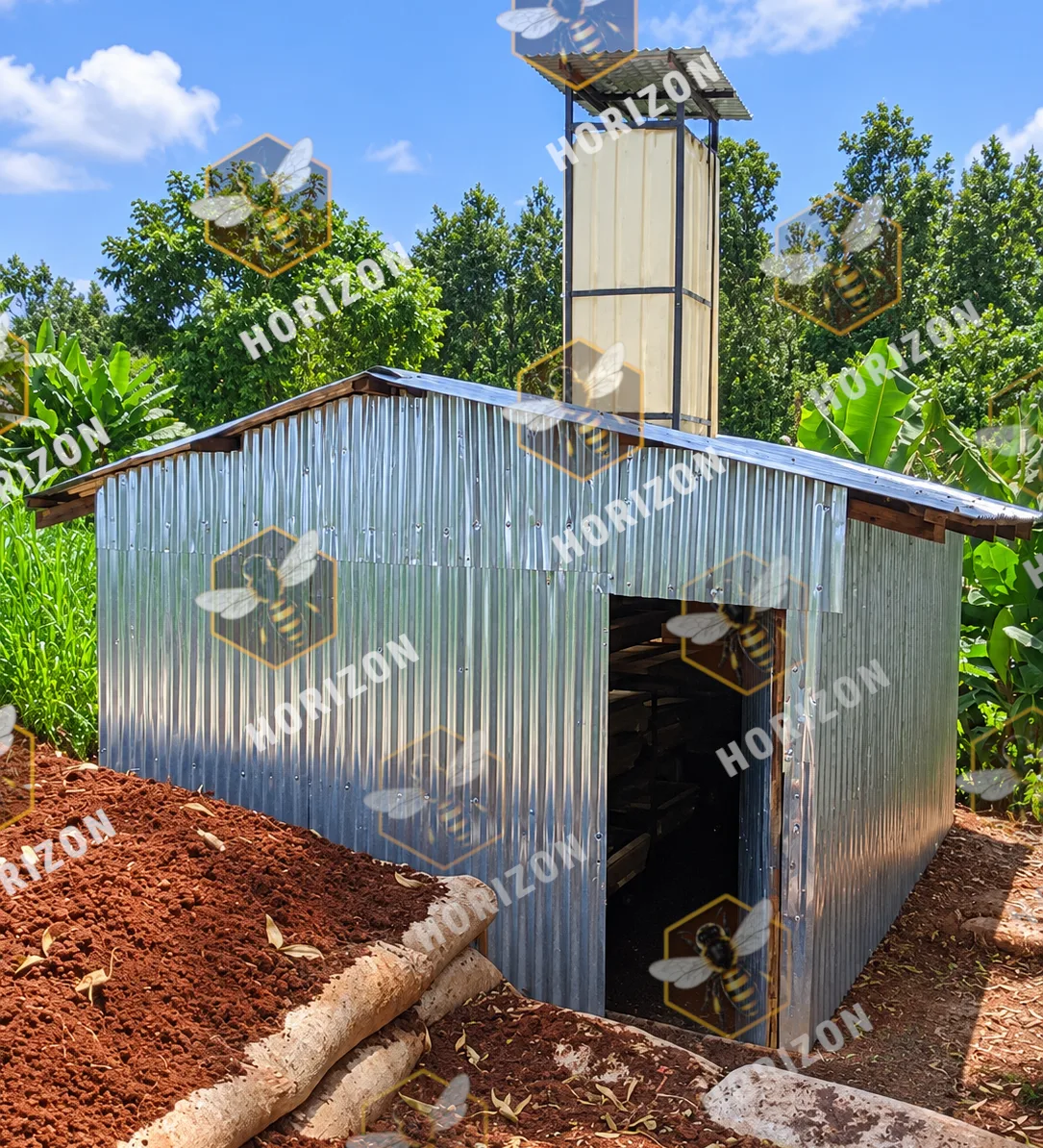
Good beekeeping income starts with good decisions. See what to settle on site, apiary type, buyers and hive numbers before you invest, with the bee venom maths.
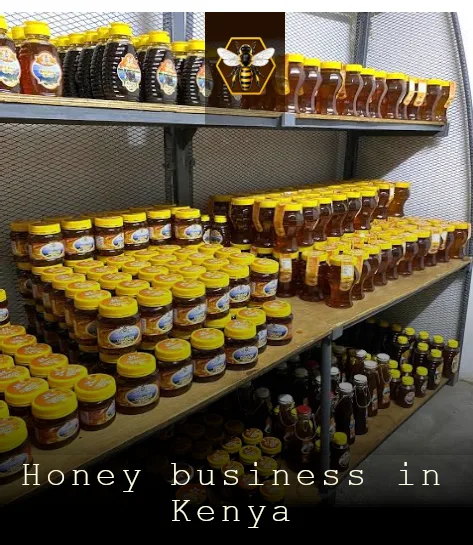
Looking for an agribusiness that doesn’t eat up your time? See how 20 hives can grow into a steady honey income in Kenya, and where your buyers are waiting.
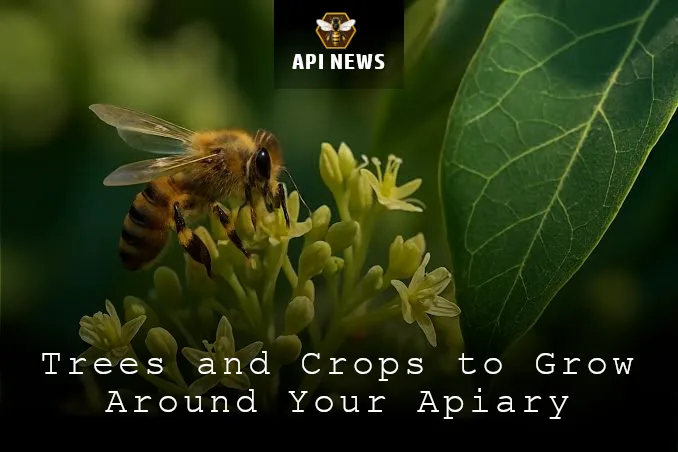
Well-fed bees stay and produce. See the trees, shrubs and crops to plant around your apiary in Kenya, from quick bloomers to long-term trees
It is not a get-rich-quick scheme. It is closer to building an apartment block. See how to start, what it costs, what it can earn and what can go wrong.
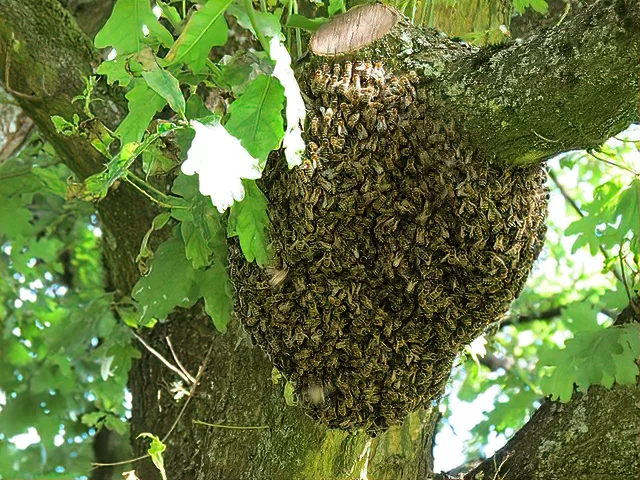
Colonies don’t leave without a reason. Learn why African bees abscond, how to spot the signs early, and the simple steps that keep them in your hives.
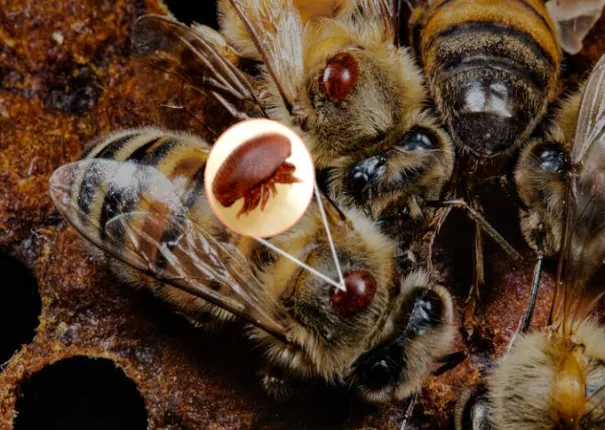
arroa mites ruined colonies in Europe and America, but African bees fight back. See how to spot them early, when to worry and what to do if you must act.
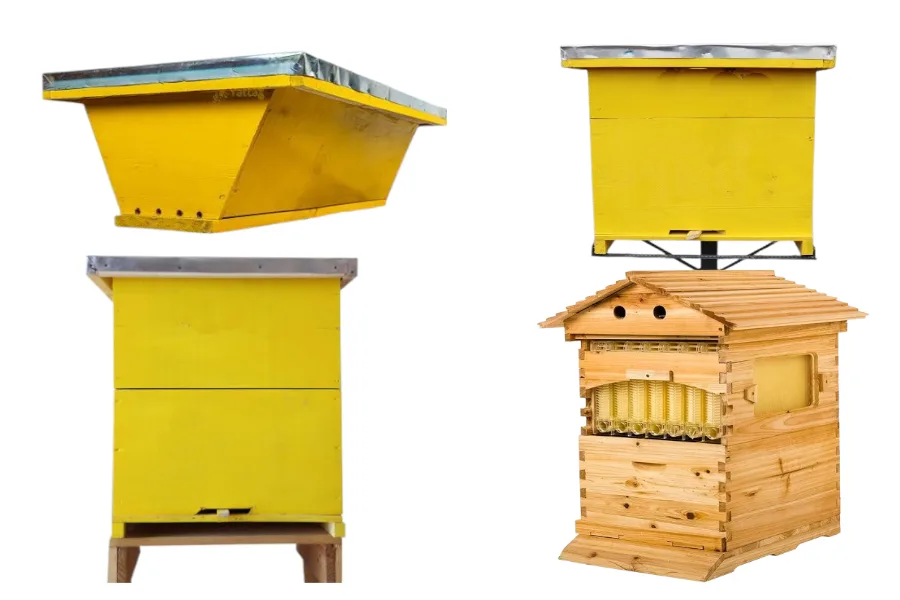
Standing in front of three hive designs? Relax. Here is what each costs, what it gives you, and how to pick the one that fits your farm and your plans.
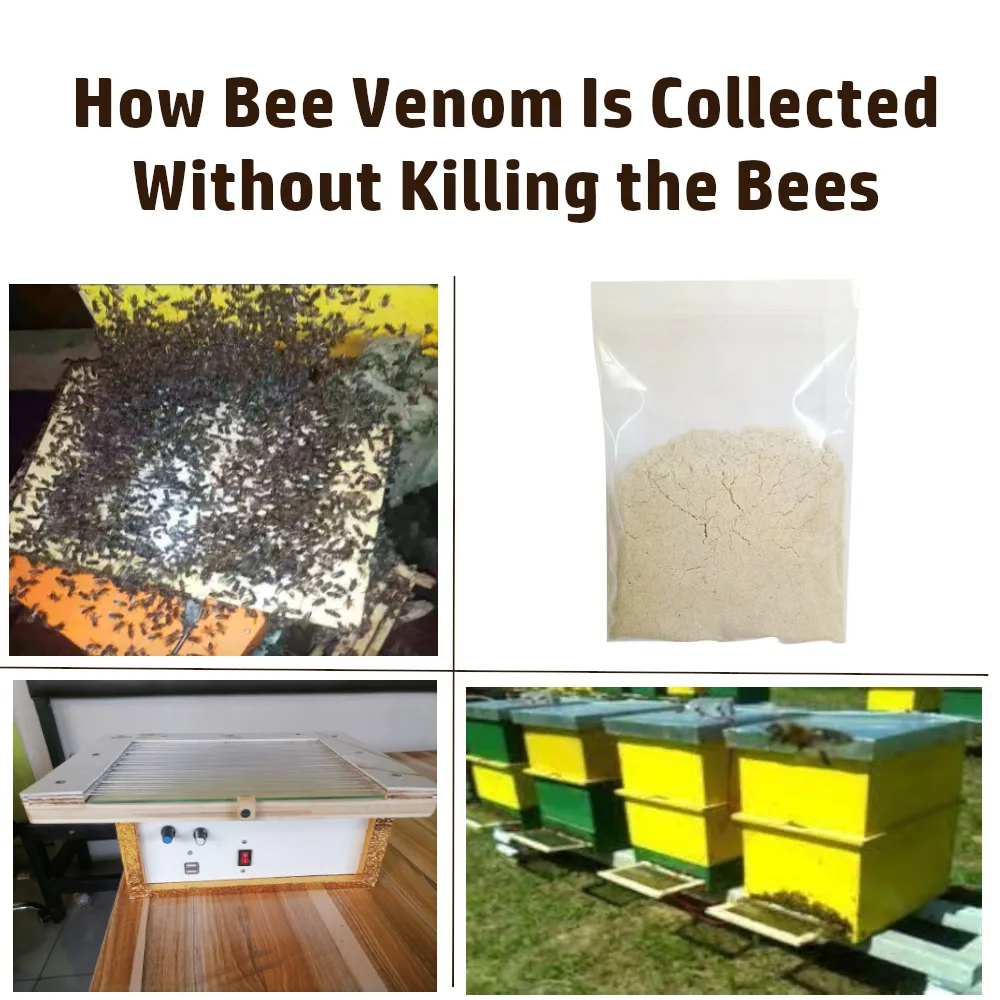
Can you collect bee venom without killing the bees? Yes. See how the collector, glass plate and gentle pulses work, and how colonies bounce back afterwards.
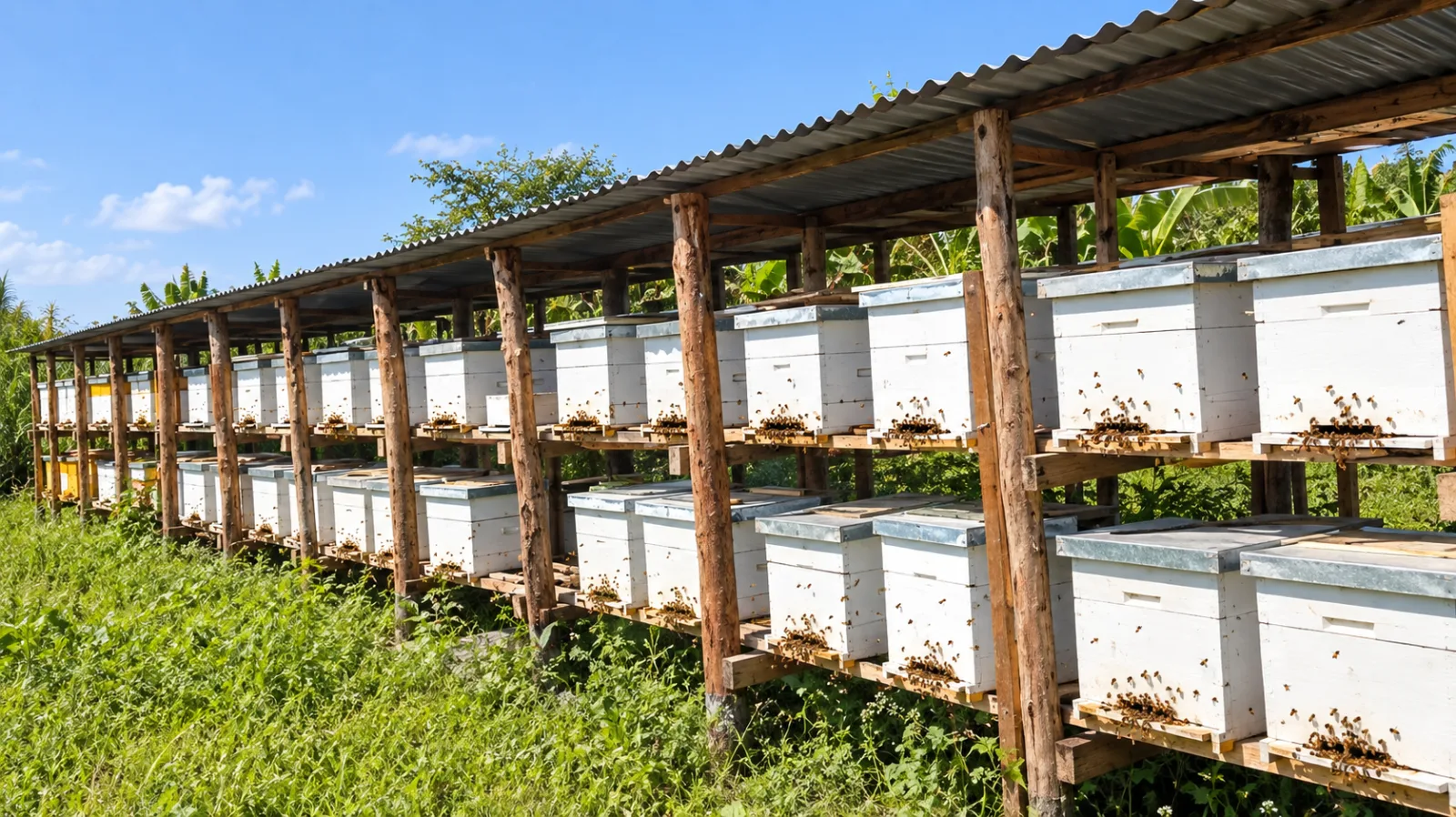
Empty hive, no bees yet? Bees choose a home by smell and safety. Here are simple local lures, the right spot and the patience that helps a swarm move in.
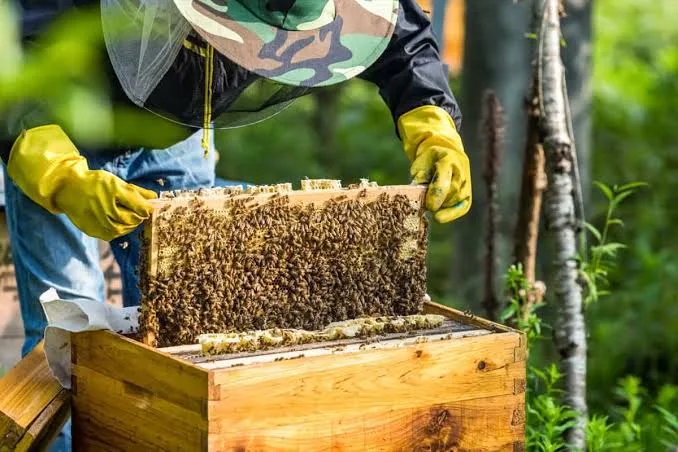
Bee venom sells by the gram, and a well-managed hive can give about one gram a month. This beginner's business plan covers how many hives to start with, what they cost, what you can earn, and the risks to plan for.
From face creams to purified serums, bee venom is a real beauty ingredient. Find out what is inside it, which brands use it, and where the venom comes from.