
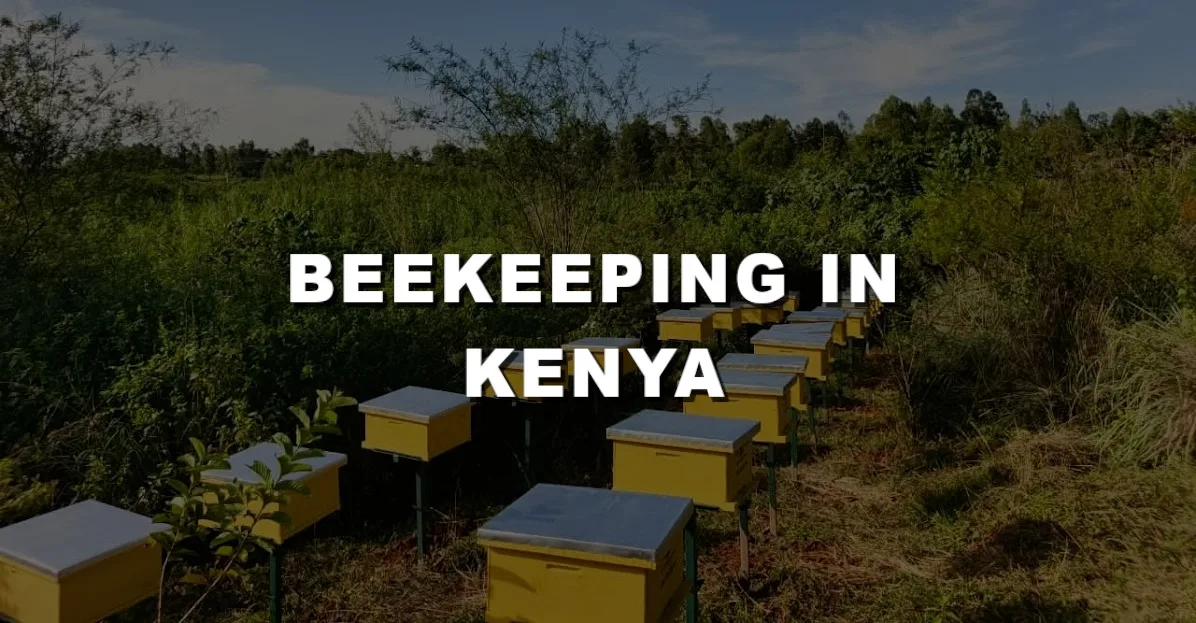
Beekeeping In Kenya
Low land needs, several income streams and a fast payback. See the capital and three-year returns behind a 500-hive apiary in Kenya.
Low land needs, several income streams and a fast payback. See the capital and three-year returns behind a 500-hive apiary in Kenya.
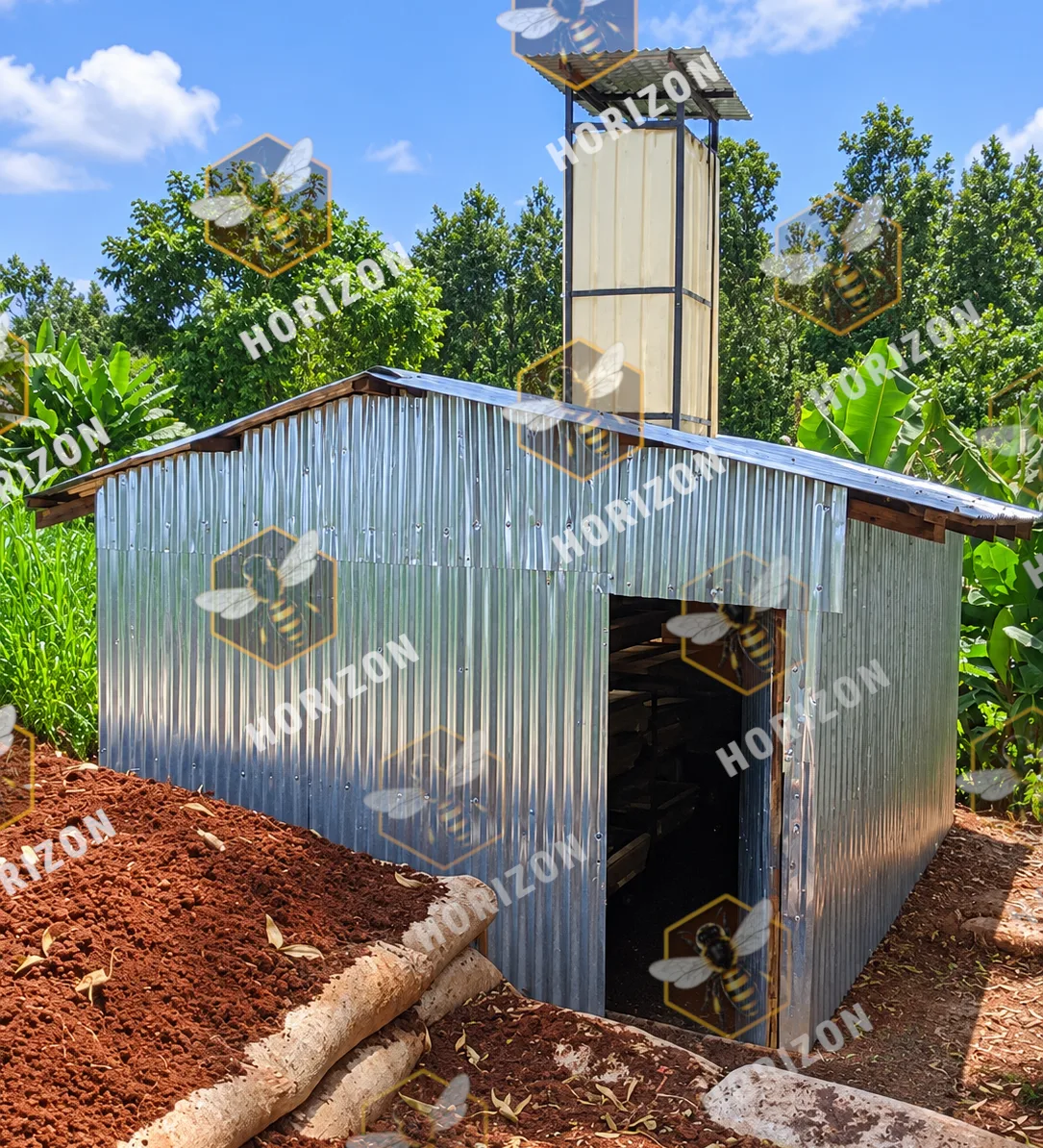
Good beekeeping income starts with good decisions. See what to settle on site, apiary type, buyers and hive numbers before you invest, with the bee venom maths.
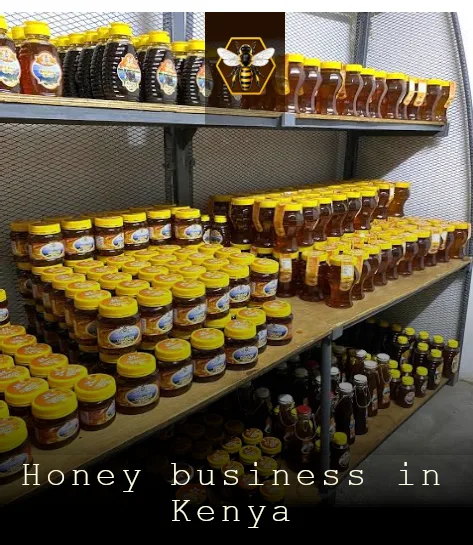
Looking for an agribusiness that doesn’t eat up your time? See how 20 hives can grow into a steady honey income in Kenya, and where your buyers are waiting.
It is not a get-rich-quick scheme. It is closer to building an apartment block. See how to start, what it costs, what it can earn and what can go wrong.

A year ago he managed a bank branch. Today he manages 150 hives. See how a 56-year-old Kenyan made the switch and what he learnt along the way.
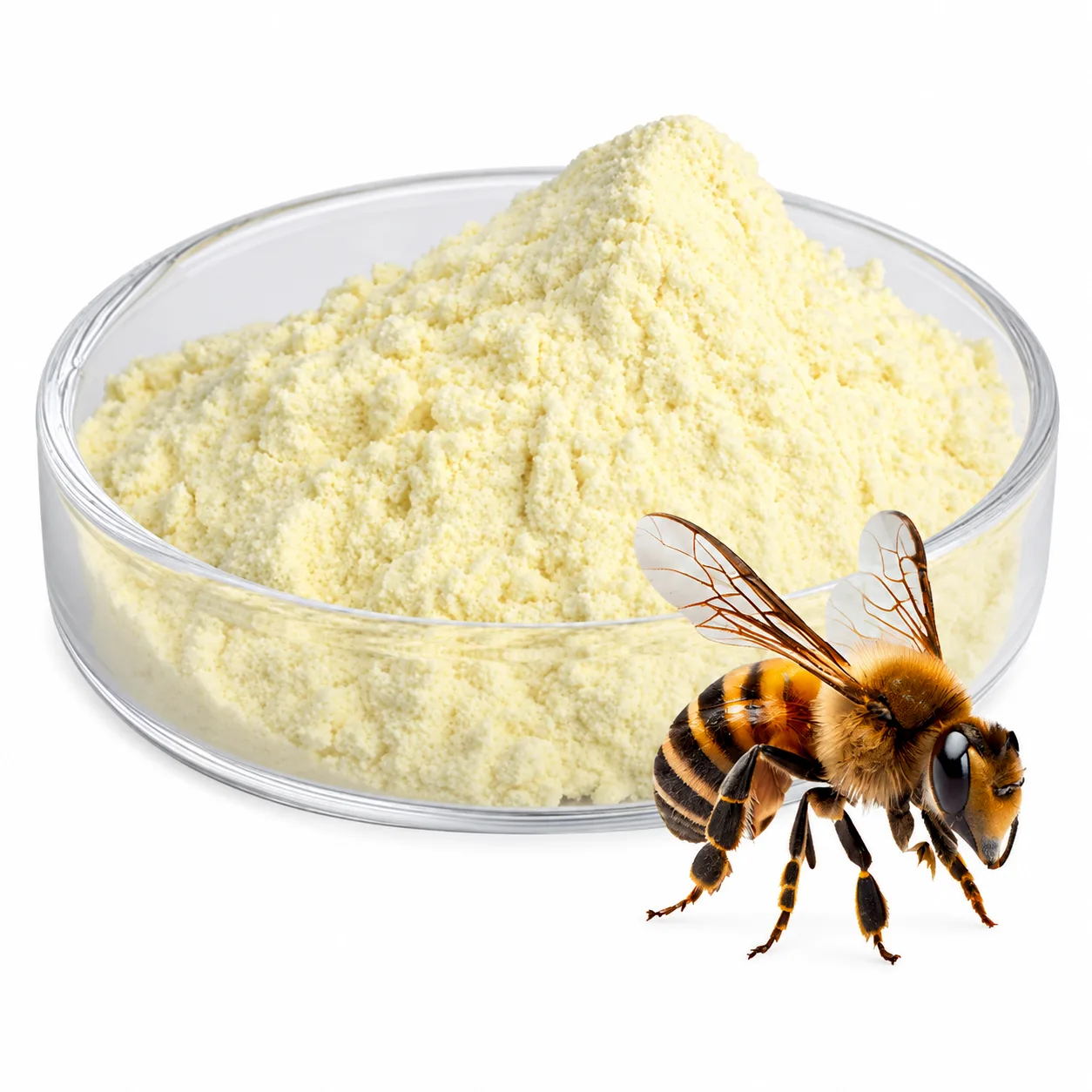
Bee venom can be ruined after the harvest. See how to dry, scrape, seal and store it, and what makes buyers turn a batch away
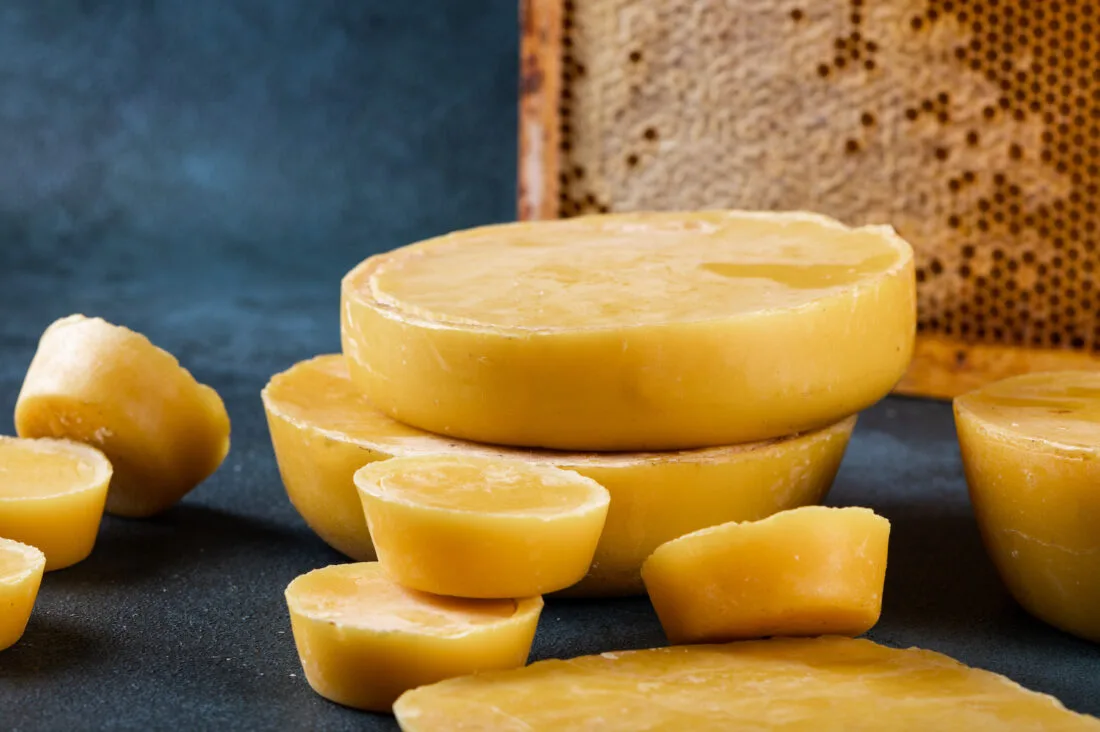
Beeswax is far more than a by-product. Learn how small beekeepers can turn clean wax into lip balms, body butters and salves, with simple steps and real examples from Kenya, Zimbabwe and Rwanda. Horizon Bee Africa trains beginners, helps beekeepers scale up and buys cleaned beeswax in bulk.
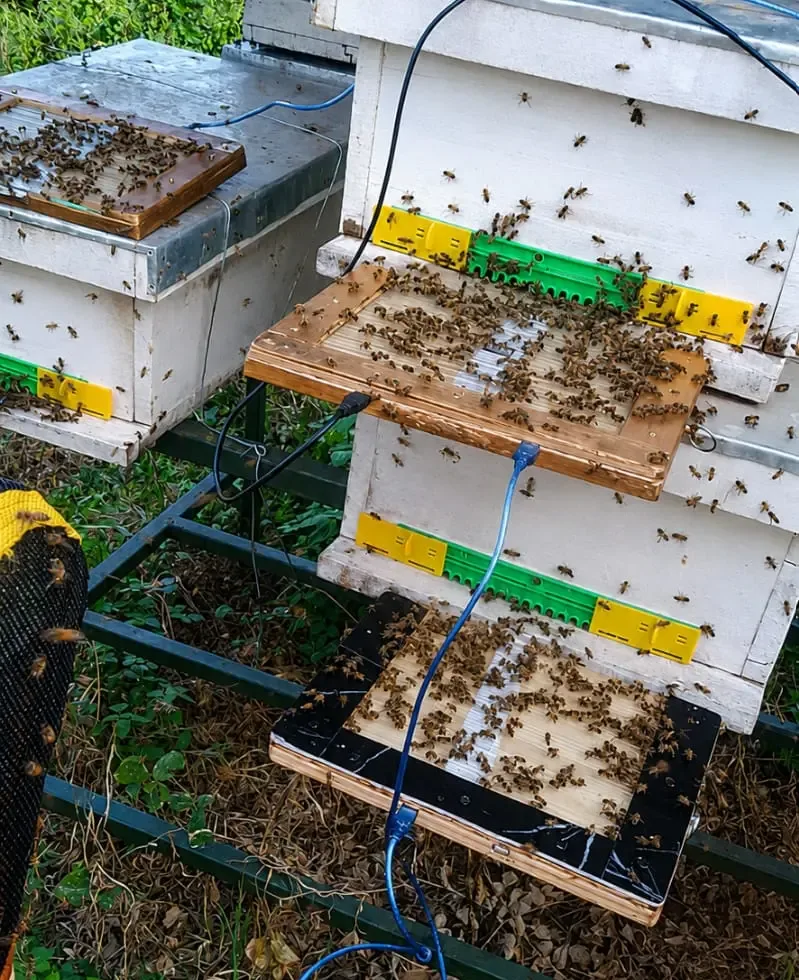
Bee venom can sell for KES 2,000 to 6,000 per gram, but only volume makes it pay. This guide covers how much venom a colony gives, startup costs, who buys it in Kenya, and the risks beekeepers need to manage before they invest.

Well-fed bees stay and produce. See the trees, shrubs and crops to plant around your apiary in Kenya, from quick bloomers to long-term trees
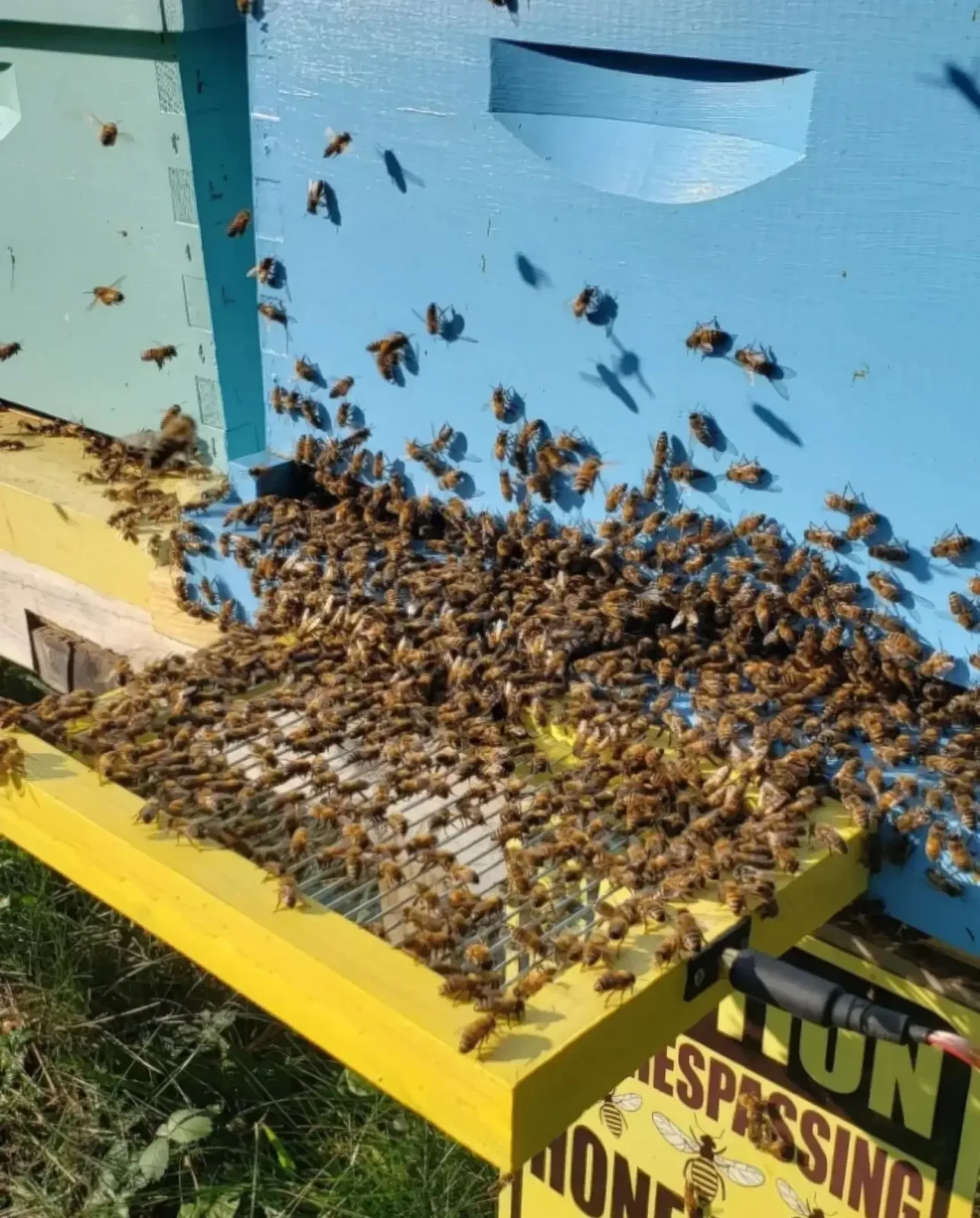
Collect too often and the colony pays the price. See when to start, why once a week works, how bees recover and how to store venom so it keeps its strength.
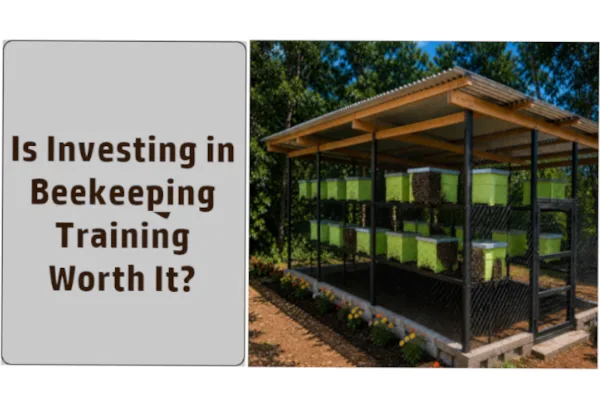
Should you pay for training before you buy a single hive? See what it costs, what it protects, and how it can change the income from 50 hives.
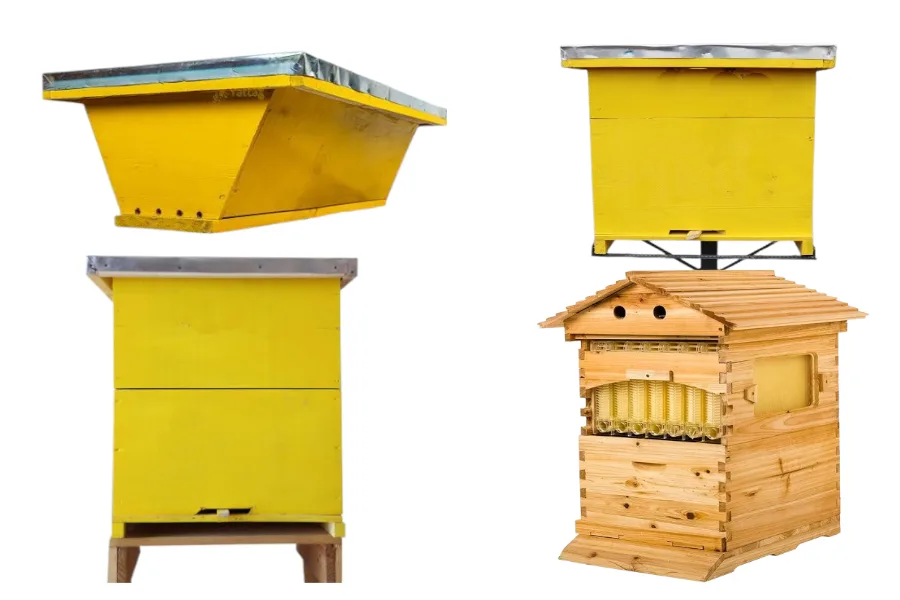
Standing in front of three hive designs? Relax. Here is what each costs, what it gives you, and how to pick the one that fits your farm and your plans.